Master the Art of Freshness: Your Guide to the Ultimate Homemade Pico de Gallo
Ever wondered how to elevate your tacos, nachos, or even just a simple bowl of chips from good to absolutely unforgettable? The secret often lies in the vibrant, fresh flavors of a perfectly crafted Pico de Gallo. Beyond just a dip, this beloved Mexican condiment is a celebration of fresh produce, offering a zesty, bright kick that store-bought versions simply can’t replicate. Learning to make your own at home not only guarantees superior taste and quality but also allows you to customize it to your exact preferences. This ultimate guide will walk you through creating a batch of glorious homemade Pico de Gallo that will have everyone asking for your recipe, effortlessly capturing the essence of a truly authentic Salsa Fresca experience.
Ingredients & Kitchen Tools
- Ripe Roma Tomatoes (4-5 medium): Known for their firm flesh and fewer seeds, ideal for Pico de Gallo as they hold their shape well.
- White Onion (1/2 medium): Offers a sharp, crisp bite. Red onion can be substituted for a slightly milder flavor and a pop of color.
- Fresh Cilantro (1/2 cup, packed): Essential for that signature fresh, herbaceous flavor. Adjust to your taste—some love a lot, some less!
- Jalapeño Pepper (1-2, to taste): Provides a gentle heat. Remove seeds and membranes for less spice, or leave some in for more kick. Serrano peppers can be used for extra heat.
- Lime (1-2, fresh): The juice is crucial for brightness and acidity, balancing all the flavors. Always use fresh lime juice for the best results.
- Sea Salt (to taste): Enhances all the natural flavors. Start with a pinch and adjust as needed.
- Optional: Pinch of Cumin & Garlic Powder: For an extra layer of depth, though often omitted for a purist approach.
Kitchen Tools:
- Sharp Chef’s Knife: Crucial for precise dicing of vegetables.
- Cutting Board: A stable surface for safe and efficient chopping.
- Large Mixing Bowl: To combine all the ingredients.
- Spoon or Spatula: For gentle mixing.
- Citrus Juicer (optional): To get the most juice from your limes.
Prep Time & Cooking Schedule
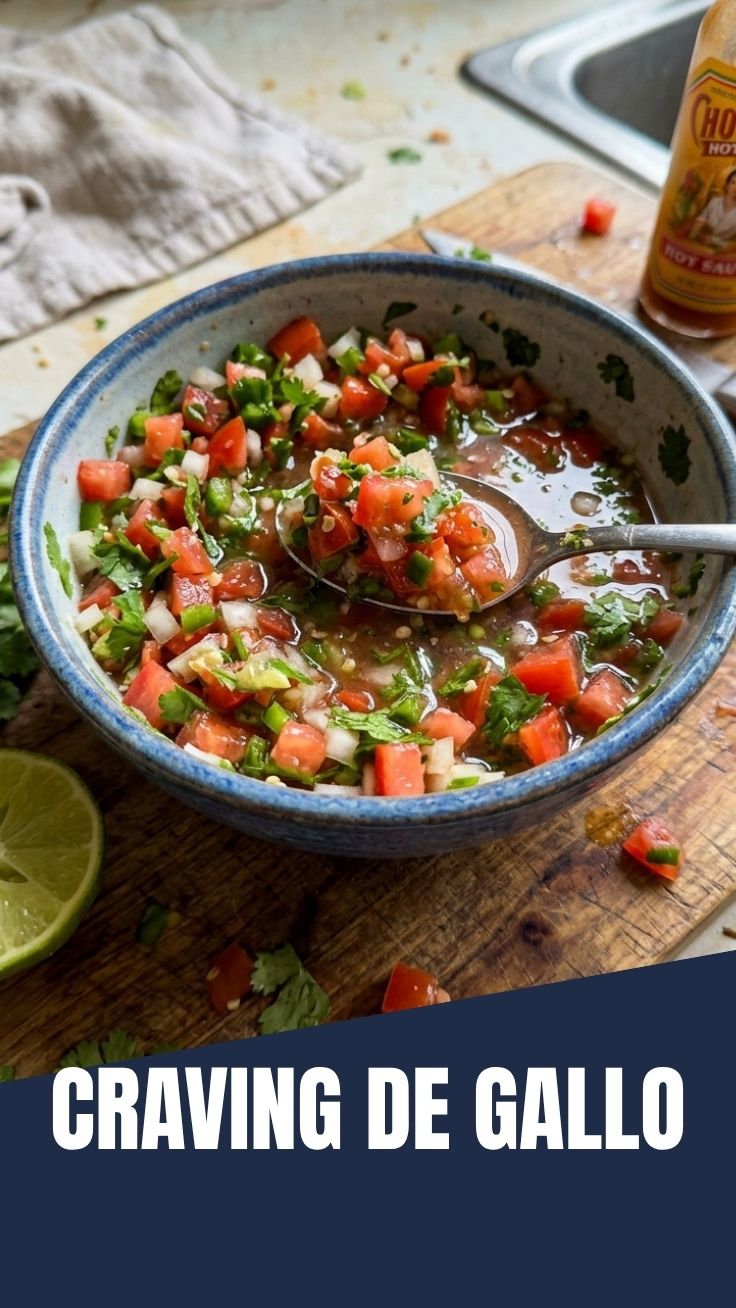
This recipe is all about freshness and minimal effort!
- Prep Time: 15-20 minutes (depending on your dicing speed!)
- Cooking Time: 0 minutes
- Resting Time: 15-30 minutes (recommended for flavors to meld, but can be served immediately)
This quick turnaround makes it perfect for a last-minute addition to any meal or gathering. The resting time allows the salt and lime juice to draw out the natural flavors of the vegetables, resulting in a more cohesive and delicious Pico de Gallo.
Step-by-Step Instructions
1. Prepare Your Vegetables: Start by washing all your fresh produce thoroughly.
2. Dice the Tomatoes: Core your Roma tomatoes and dice them into small, even pieces (about 1/4 to 1/2 inch). A crucial step for a great Pico de Gallo is ensuring the dice is consistent so all flavors are distributed evenly. Place diced tomatoes into your large mixing bowl.
3. Mince the Onion: Peel and finely mince the white onion. If you find raw onion overpowering, you can rinse the minced onion under cold water for a minute and pat it dry to reduce its pungency. Add to the bowl with the tomatoes.
4. Chop the Cilantro: Finely chop the fresh cilantro. Don’t be afraid to include some of the tender stems; they add flavor. Add to the bowl.
5. Dice the Jalapeño: Carefully de-seed and de-vein the jalapeño for a milder heat, or leave some in for more kick. Then, finely dice it. Always wash your hands immediately after handling chili peppers. Add to the bowl.
6. Juice the Lime: Cut your fresh limes in half and squeeze the juice directly over the vegetables in the bowl.
7. Season: Sprinkle with sea salt to taste. If using, add a pinch of cumin and garlic powder.
8. Gently Mix: Using a spoon or spatula, gently toss all the ingredients together until well combined. Avoid overmixing, as this can bruise the tomatoes.
9. Rest and Serve: For optimal flavor, let your homemade Salsa Fresca rest at room temperature for 15-30 minutes before serving, allowing the flavors to meld beautifully.
Nutritional Benefits & Advantages
Beyond its incredible taste, Pico de Gallo is a nutritional powerhouse. Tomatoes are rich in lycopene, a potent antioxidant, and Vitamin C. Onions offer prebiotics for gut health and anti-inflammatory compounds. Cilantro is a good source of Vitamin K and antioxidants. Jalapeños contain capsaicin, which can boost metabolism. Being fat-free and low-calorie, this fresh condiment is a guilt-free way to add flavor and nutritious benefits to virtually any meal.
Tips, Variations & Cooking Advice
- Tomato Quality is Key: Always choose firm, ripe, and flavorful tomatoes. Dull or mealy tomatoes will impact the overall taste.
- Spice Level: Experiment with different chili peppers. For more heat, try serranos. For less, remove all seeds and membranes from the jalapeño, or use a milder pepper like poblano (though it changes the texture).
- Additions: For an extra layer of flavor, consider adding finely diced avocado just before serving (to prevent browning) or a tiny pinch of oregano.
- Uniform Dice: Aim for a consistent dice size for all ingredients. This ensures every bite has a balanced combination of flavors and textures.
- Salt Smart: Add salt gradually and taste as you go. It’s easier to add more than to fix an oversalted batch!
Common Mistakes to Avoid
- Mushy Tomatoes: Overmixing or using overly ripe/soft tomatoes will result in a watery, mushy Pico de Gallo.
- Skipping the Rest: While edible immediately, skipping the resting time means you’re missing out on the full depth of flavor development.
- Forgetting Fresh Lime: Bottled lime juice simply doesn’t compare to the bright, zesty kick of fresh lime.
- Uneven Dice: Large, uneven chunks prevent all the flavors from coming together harmoniously.
Storage & Meal Prep Tips
Store leftover Pico de Gallo in an airtight container in the refrigerator. It will stay fresh for 3-5 days. The flavors may deepen slightly over time, but the texture will soften due to the salt and lime drawing out moisture from the vegetables. It’s generally not recommended to freeze Pico de Gallo, as the freezing and thawing process will significantly alter the texture, making it watery and mushy. If meal prepping, chop all ingredients separately and combine just before serving for the freshest taste and texture.
Conclusion
Crafting your own fresh Pico de Gallo is a rewarding experience that immediately elevates any dish it accompanies. With just a few simple ingredients and minimal effort, you can create a vibrant, flavorful, and healthy condiment that outshines any store-bought alternative. We encourage you to try this recipe, experiment with the spice levels, and truly make it your own. You’ll be amazed at how this homemade Salsa Fresca transforms your meals. Share your creations and let us know how your fresh Pico de Gallo turns out!
FAQs
Q1: Can I use different types of tomatoes?
A1: While Roma tomatoes are preferred for their low water content, you can use other firm, ripe tomatoes like beefsteak or garden tomatoes. Just ensure you remove excess seeds and liquid to prevent a watery result.
Q2: How can I make my Pico de Gallo less watery?
A2: Use firm, ripe Roma tomatoes, and consider seeding them thoroughly. You can also lightly salt the diced tomatoes in a colander for 10-15 minutes to draw out excess moisture before combining with other ingredients.
Q3: Can I prepare this in advance for a party?
A3: Yes, you can prep it a few hours in advance. For best results, prepare it no more than 2-3 hours before serving to maintain optimal freshness and texture. Store it in the refrigerator until ready to serve.
Q4: What are some creative ways to use Pico de Gallo?
A4: Beyond traditional chips and tacos, Pico de Gallo is excellent on grilled fish or chicken, as a topping for eggs, mixed into avocado toast, or even as a fresh salsa for baked potatoes.
Q5: Is there a substitute for fresh cilantro?
A5: While fresh cilantro is integral to the authentic flavor, if you have an aversion, you can omit it. However, no direct substitute will yield the exact same taste profile. Parsley might offer a fresh, green note, but it will taste different.