Master the Art of Homemade Clam Chowder: A Creamy Dream Come True
Ever wonder how to recreate that rich, comforting bowl of Clam Chowder you crave from your favorite seaside restaurant? There’s an undeniable magic in a perfectly executed bowl of this classic, especially a velvety New England Clam Chowder. Preparing it at home isn’t just about saving money; it’s about infusing your kitchen with warmth, customizing flavors to your exact preference, and impressing your family and friends with a dish that tastes truly homemade. While store-bought versions can sometimes fall flat, mastering this recipe will elevate your culinary game and provide a deeply satisfying experience. Let’s dive in and unlock the secrets to a truly unforgettable homemade Clam Chowder.
Ingredients & Kitchen Tools
Here’s what you’ll need to craft your masterpiece:
- Pantry Staples:
* 2 tablespoons unsalted butter: For sautéing and building a flavorful base.
* 1 large yellow onion, finely diced: Aromatic foundation for the chowder.
* 2 celery stalks, finely diced: Adds a subtle earthy flavor and texture.
* 2 cloves garlic, minced: Enhances the savory profile.
* 1/4 cup all-purpose flour: Thickening agent for that classic creamy consistency.
* 1 pound clams (canned, chopped, or fresh): The star of the show. If using fresh, make sure to clean them thoroughly.
Substitution:* If fresh aren’t available, quality canned clams (drained) work well.
* 2 (8-ounce) bottles clam juice: Essential for authentic clam flavor without overwhelming the dish.
Substitution:* Low-sodium vegetable or chicken broth can be used in a pinch, but clam flavor will be less pronounced.
* 2 cups chicken or vegetable broth: Adds depth and liquid to the chowder.
* 2 large Russet potatoes, peeled and diced (1/2-inch cubes): Contributes starch and heartiness.
* 1 cup heavy cream: The secret to a luxuriously rich and creamy texture.
Substitution:* Half-and-half can be used for a lighter version, but the chowder will be less rich.
* 1/2 cup whole milk: Balances the richness of the cream.
* 2 tablespoons fresh parsley, chopped: For a fresh garnish and pop of color.
* Salt and freshly ground black pepper to taste: Seasoning is key!
- Kitchen Tools:
* Large Dutch oven or heavy-bottomed pot: Ideal for even heat distribution and simmering.
* Cutting board and sharp knife: For efficient ingredient preparation.
* Measuring cups and spoons: For accurate ingredient quantities.
* Whisk: To ensure a smooth roux.
* Wooden spoon or spatula: For stirring and scraping the bottom of the pot.
Prep Time & Cooking Schedule
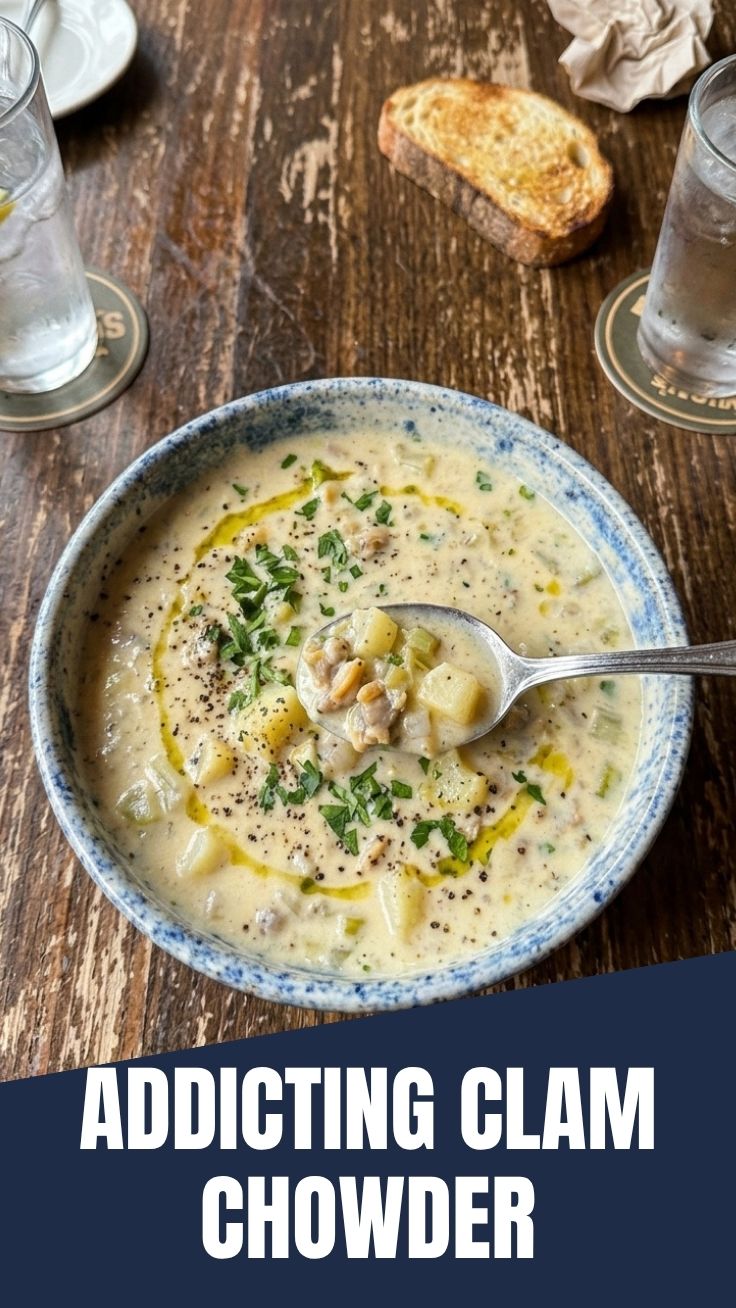
This satisfying Clam Chowder comes together quicker than you might think!
- Prep time: 20 minutes (includes dicing vegetables and prepping clams)
- Cook time: 30-35 minutes
- Total time: Approximately 50-55 minutes
This recipe is perfect for a weeknight meal or a cozy weekend lunch. The relatively short cooking time means you can enjoy a fresh, homemade chowder without spending hours in the kitchen.
Step-by-Step Instructions
1. Sauté Aromatics: In your large Dutch oven or heavy-bottomed pot, melt the butter over medium heat. Add the diced onion and celery, cooking until softened (about 5-7 minutes). Add the minced garlic and cook for another minute until fragrant. Avoid browning the garlic.
2. Make the Roux: Sprinkle the flour over the softened vegetables. Cook, stirring constantly, for 1-2 minutes to create a roux. This will thicken your chowder.
3. Build the Base: Gradually whisk in the clam juice and chicken/vegetable broth, ensuring no lumps form. Bring the mixture to a gentle simmer, stirring occasionally, until it starts to thicken slightly.
4. Add Potatoes & Simmer: Stir in the diced potatoes. Reduce the heat to low, cover, and simmer for 10-15 minutes, or until the potatoes are tender when pierced with a fork.
5. Creamy Finish: Pour in the heavy cream and whole milk. Stir well and bring the chowder back to a gentle simmer (do not boil, as this can cause the milk/cream to curdle).
6. Introduce the Clams: Gently fold in the clams. If using fresh clams, cook until they open; discard any that don’t. If using canned, simply heat through for 2-3 minutes. You’re aiming for a comforting Clam Chowder.
7. Season and Serve: Season generously with salt and freshly ground black pepper to taste. Taste and adjust as needed. Garnish with fresh parsley. Serve immediately with crusty bread or oyster crackers for a truly authentic New England Clam Chowder experience.
Nutritional Benefits & Advantages
This hearty Clam Chowder isn’t just delicious; it offers several nutritional benefits. Clams are an excellent source of lean protein, iron, and vitamin B12, crucial for energy production and nerve function. Potatoes provide complex carbohydrates for sustained energy and are a good source of vitamin C and potassium. The dairy in this soup contributes calcium for bone health. While it’s a rich dish, preparing it at home allows you to control the quality of ingredients and fat content, making it a more wholesome option than many restaurant versions.
Tips, Variations & Cooking Advice
- Smoky Twist: Add a slice or two of cooked bacon, crumbled, at the end for a smoky depth of flavor. You can even use a tablespoon of the bacon fat to sauté the aromatics!
- Herbaceous Notes: Experiment with a pinch of dried thyme or a bay leaf added during the simmering phase for extra aromatic complexity. Remove the bay leaf before serving.
- Spice It Up: A tiny pinch of cayenne pepper can add a subtle kick without making it overly spicy.
- Gluten-Free Version: Substitute the all-purpose flour with a gluten-free all-purpose flour blend or use cornstarch (slurry with a little cold water) for thickening.
- Dairy-Free Option: Use plant-based milk and cream alternatives (like cashew cream) and a plant-based butter. The texture will be slightly different, but still delicious.
- Seafood Medley: For a “fisherman’s stew” vibe, add a handful of peeled shrimp or small pieces of cod or haddock during the last 5 minutes of cooking.
Common Mistakes to Avoid
- Boiling the Chowder After Adding Dairy: This is a common pitfall! High heat can cause the milk and cream to curdle, resulting in a grainy texture. Always simmer gently.
- Undercooked Potatoes: Make sure your potatoes are tender before moving on. Crunchy potatoes in chowder are a no-go.
- Over-Seasoning with Salt First: Clam juice and broth can be salty, so season carefully at the end to taste. It’s easier to add more salt than to fix an oversalted dish.
- Not Stirring the Roux: A burnt roux will make your chowder taste bitter. Stir constantly when making the roux.
- Using Too Many Clams: While delicious, overwhelming the chowder with too many clams can overpower other flavors. Balance is key.
Storage & Meal Prep Tips
Leftover Clam Chowder stores beautifully! Allow it to cool completely before transferring to an airtight container.
- Refrigeration: Store in the refrigerator for up to 3-4 days.
- Freezing: While chowder can be frozen, the dairy can sometimes separate upon thawing, affecting the texture. If you plan to freeze, consider adding less cream initially and stirring in fresh cream after reheating. Freeze for up to 2-3 months.
- Reheating: Gently reheat on the stovetop over low heat, stirring frequently, until warmed through. You may need to add a splash of milk or broth to restore consistency. Avoid boiling.
Conclusion
There’s nothing quite like a hearty, homemade bowl of Clam Chowder to warm you from the inside out. With this comprehensive guide, you now have all the tools and knowledge to create a truly exceptional, restaurant-quality New England Clam Chowder right in your own kitchen. We encourage you to try this recipe and savor the rich, creamy flavors. Don’t be afraid to personalize it with your own touches! Share your cooking adventures and favorite variations in the comments below – we’d love to hear from you!
FAQs
Q1: Can I use fresh clams instead of canned?
A1: Absolutely! Fresh clams (like littlenecks or cherrystones) will offer a superior flavor. Ensure they are properly cleaned (purged of sand) before cooking. Cook them in the chowder until they open, discarding any that don’t.
Q2: My chowder is too thin. How can I thicken it?
A2: If your chowder is too thin, create a cornstarch slurry by mixing 1 tablespoon of cornstarch with 1 tablespoon of cold water until smooth. Stir this into your simmering chowder gradually until you reach your desired thickness.
Q3: How do I prevent the milk and cream from curdling?
A3: The key is gentle heat. Always add dairy products at the end and bring the chowder to a bare simmer, never a rolling boil. If your dairy is very cold, let it come closer to room temperature before adding it.
Q4: Can I make this chowder vegetarian?
A4: You can make a vegetarian “chowder” by omitting the clams and using vegetable broth instead of clam juice. You can substitute the clams with ingredients like corn, mushrooms, or additional potatoes for texture.
Q5: What’s the best bread to serve with clam chowder?
A5: Crusty sourdough bread, oyster crackers, or a warm, soft dinner roll are all excellent choices for dipping and soaking up the delicious chowder.