The Ultimate Southern Delight: Crafting the Perfect Peach Pound Cake at Home
Ever craved that quintessential taste of summer, a dessert that’s comforting, rich, and bursting with fruity sweetness? Look no further than the humble yet extraordinary pound cake. While countless variations exist, the Peach Pound Cake stands out as a true southern classic, a delightful marriage of dense, buttery crumb and tender, juicy peaches. Forget store-bought imitations; preparing this masterpiece at home isn’t just about baking – it’s about creating memories and savoring genuine flavors. Knowing how to bake the perfect Peach Pound Cake allows you to control the quality of ingredients, adjust sweetness to your preference, and truly infuse your creation with love. This guide will walk you through every step, ensuring your homemade version rivals any bakery, and that exploring more delightful peach cake recipes becomes your next culinary adventure.
Ingredients & Kitchen Tools
- Unsalted Butter (3 sticks / 1 ½ cups), softened: Provides richness and a tender crumb. Unsalted allows you to control the salt content.
- Granulated Sugar (3 cups): Sweetens the cake and contributes to its structure.
- Large Eggs (6), at room temperature: Adds moisture, richness, and helps with leavening. Room temperature eggs emulsify better.
- All-Purpose Flour (3 cups), sifted: The primary structural component of the cake. Sifting ensures a light, airy texture.
- Baking Powder (1 teaspoon): A leavening agent that helps the cake rise.
- Salt (½ teaspoon): Balances sweetness and enhances flavor.
- Whole Milk (1 cup), at room temperature: Adds moisture and richness without thinning the batter too much.
- Vanilla Extract (2 teaspoons): Enhances overall flavor. Use pure vanilla for best results.
Fresh Peaches (2-3 medium), peeled, pitted, and diced (about 1 ½ cups): The star of the show. Fresh peaches offer the best flavor and texture. Substitution: Canned peaches (drained well) or frozen peaches (thawed and drained) can be used in a pinch.*
- Powdered Sugar (1 cup) & Milk (2-3 tablespoons) for Glaze (Optional): For a simple, sweet topping.
Kitchen Tools:
- Bundt Pan (10-12 cup capacity): Essential for the classic pound cake shape.
- Electric Mixer (stand or hand-held): For creaming butter and sugar and mixing the batter thoroughly.
- Large Mixing Bowls (2): For wet and dry ingredients.
- Whisk: For combining dry ingredients.
- Rubber Spatula: For scraping down bowls and folding in ingredients.
- Measuring Cups and Spoons: For accurate ingredient measurements.
- Paring Knife and Cutting Board: For preparing peaches.
- Wire Rack: For cooling the cake.
Prep Time & Cooking Schedule
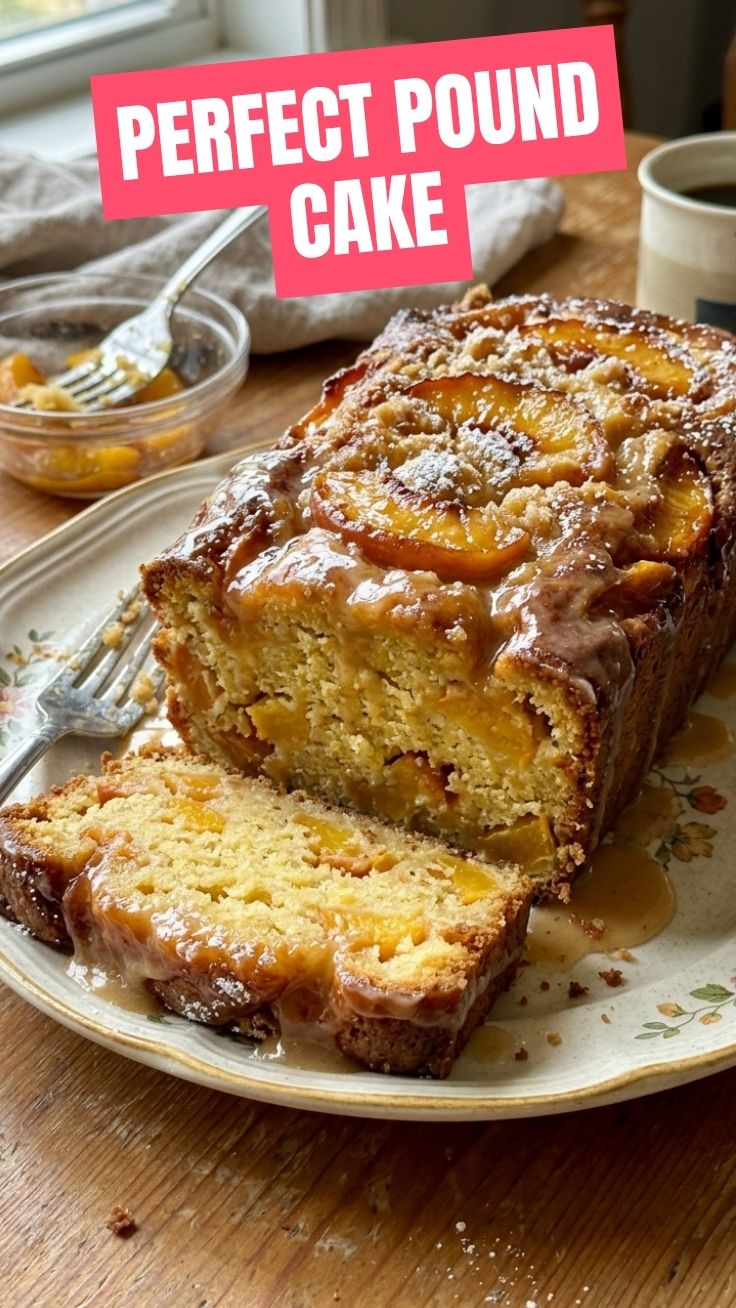
- Prep Time: 25 minutes (This includes peeling and dicing peaches, measuring ingredients, and greasing the pan).
- Cook Time: 80-90 minutes (The baking time can vary depending on your oven and the material of your bundt pan).
- Cooling Time: 20 minutes in the pan, then 1-2 hours on a wire rack (Crucial for the cake to set properly and prevent sticking).
Plan your baking schedule accordingly; while the active prep is under an hour, the overall process benefits from patience during baking and cooling. It’s an ideal recipe for a slow weekend afternoon or when entertaining guests.
Step-by-Step Instructions
1. Preheat & Prepare: Preheat your oven to 325°F (160°C). Generously grease and flour a 10-12 cup Bundt pan, ensuring every crevice is coated to prevent sticking. A good quality non-stick spray with flour can also be effective.
2. Cream the Butter & Sugar: In a large mixing bowl, using an electric mixer, cream together the softened butter and granulated sugar on medium-high speed until light, fluffy, and pale in color, about 5-7 minutes. This step is crucial for incorporating air and achieving a delicate crumb for your Peach Pound Cake.
3. Add Eggs Gradually: Beat in the eggs one at a time, incorporating each fully before adding the next. Scrape down the sides of the bowl as needed to ensure everything is well combined and emulsified.
4. Combine Dry Ingredients: In a separate bowl, whisk together the sifted all-purpose flour, baking powder, and salt.
5. Alternate Wet & Dry: Gradually add the dry ingredients to the butter mixture, alternating with the whole milk, beginning and ending with the dry ingredients. Mix on low speed until just combined. Do not overmix, as this can lead to a tough cake.
6. Flavor & Fold: Stir in the vanilla extract. Gently fold in the diced peaches using a rubber spatula.
7. Bake to Perfection: Pour the batter evenly into the prepared Bundt pan. Bake for 80-90 minutes, or until a wooden skewer inserted into the center comes out clean. The top should be golden brown and the edges slightly pulled away from the pan. For more delicious peach cake recipes, you’ll find similar baking principles apply.
8. Cool & Release: Let the cake cool in the Bundt pan on a wire rack for 20 minutes before inverting it onto the rack to cool completely. This cooling period is vital – patience pays off here!
9. Glaze (Optional): Once cooled, whisk together the powdered sugar and milk for the glaze until smooth. Drizzle over the cooled cake.
Nutritional Benefits & Advantages
Peaches, the star ingredient, are low in calories and a good source of vitamins C and A, as well as dietary fiber. Vitamin C is an antioxidant that supports immune health, while fiber aids digestion. While a pound cake is an indulgent treat, incorporating fresh fruit adds natural sweetness and some nutritional value. This homemade version allows you to control sugar levels compared to many store-bought alternatives, offering a slightly healthier indulgence.
Tips, Variations & Cooking Advice
- Pound Cake Secret: The “pound” in pound cake traditionally refers to a pound of each main ingredient (butter, sugar, eggs, flour). My recipe slightly varies for optimal texture, but the principle of rich, dense cake remains.
- Fruit Variations: Feel free to substitute peaches with other fruits like berries, apples, or plums. Ensure any fruit used is well-drained to prevent a soggy cake.
- Flavor Boosts: Add a pinch of nutmeg or cardamom to the dry ingredients for an extra layer of warmth. A tablespoon of peach schnapps or brandy in the batter can also deepen the peach flavor.
- Glaze Alternatives: Instead of a simple powdered sugar glaze, consider a cream cheese glaze or a light peach syrup made from cooking down a few peaches with a little sugar and water.
- Dietary Adaptations:
* Gluten-Free: Substitute the all-purpose flour with a 1:1 gluten-free baking blend that contains xanthan gum.
* Dairy-Free: Use dairy-free butter sticks and plant-based milk (e.g., almond or soy milk) in equal amounts.
Common Mistakes to Avoid
- Overmixing the Batter: This develops the gluten in the flour too much, leading to a tough and chewy cake instead of a tender one. Mix until just combined.
- Cold Ingredients: Using cold butter and eggs can lead to a lumpy batter and poor emulsification, affecting the cake’s texture and rise. Ensure all dairy and eggs are at room temperature.
- Not Greasing/Flouring the Pan Enough: A common culprit for cake sticking. Be thorough, especially with a detailed Bundt pan.
- Opening the Oven Door Too Early: This can cause the cake to deflate, especially during the first 2/3 of the baking time. Resist the urge to peek!
- Undercooking/Overcooking: An undercooked cake will be gooey in the center; an overcooked one will be dry. Rely on the skewer test for doneness.
Storage & Meal Prep Tips
Your homemade Peach Pound Cake stores beautifully.
- At Room Temperature: Store the cooled cake, covered tightly with plastic wrap or in an airtight container, for up to 3-4 days. This helps maintain its moisture.
- Refrigeration: While optional, refrigeration can extend shelf life, especially in warm climates. Store covered for up to a week. Bring to room temperature before serving for the best flavor and texture.
- Freezing: Pound cake freezes exceptionally well! Wrap individual slices or the whole cake tightly in plastic wrap, then an additional layer of aluminum foil. It can be frozen for up to 2-3 months. Thaw overnight in the refrigerator or at room temperature.
For meal prep, you can bake the cake ahead of time and freeze portions for easy dessert on demand.
Conclusion
Mastering the art of baking a delectable Peach Pound Cake is a truly rewarding experience, transforming simple ingredients into a show-stopping dessert that evokes warmth and comfort. Its rich, buttery texture perfectly complements the tender, sweet bursts of fresh peaches, making it an irresistible treat for any occasion. By following these detailed steps and tips, you’re not just baking a cake; you’re creating a culinary masterpiece that will impress your family and friends. We encourage you to try this recipe, savor the process, and discover the joy of homemade goodness. And once you’ve perfected this classic, don’t hesitate to explore other delightful peach cake recipes to expand your baking repertoire!
FAQs
Q1: Can I use frozen peaches instead of fresh?
A1: Yes, you can. Thaw them completely and drain any excess liquid very well before folding them into the batter to prevent a watery cake.
Q2: My Bundt cake always sticks. What am I doing wrong?
A2: Ensure you are very thoroughly greasing and flouring every crevice of your Bundt pan. Use shortening or butter for greasing, then dust with flour. A good non-stick spray with flour can also work. Also, don’t rush the cooling process; allowing it to cool in the pan for 15-20 minutes helps it release cleanly.
Q3: How can I tell if my cake is done without sticking a skewer in it?
A3: If you gently press on the top of the cake, it should spring back. The edges should also start to pull away slightly from the sides of the pan. However, the skewer test remains the most reliable method.
Q4: Can I add a different type of extract for a unique flavor?
A4: Absolutely! Almond extract can pair wonderfully with peaches, or you could try a hint of lemon or orange extract for a brighter profile. Start with ½ teaspoon and adjust to your preference.
Q5: My cake turned out dry. What could be the reason?
A5: Overbaking is the most common cause of a dry cake. Make sure to check for doneness at the earliest recommended time and remove it from the oven as soon as the skewer comes out clean. Using too much flour or not enough fat/liquid can also contribute to dryness.