The Ultimate Guide to Delicious Homemade Oatmeal Raisin Cookies: A Timeless Treat
Ever found yourself craving a warm, chewy, and perfectly spiced treat that conjures up feelings of comfort and nostalgia? If so, you’re in the right place! Today, we’re diving deep into the art of crafting the perfect batch of Oatmeal Raisin Cookies right in your own kitchen. While store-bought options exist, there’s an undeniable magic in baking these wholesome delights from scratch. Beyond the incredible aroma that will fill your home, making your own ensures you control the quality of ingredients, allowing for a truly personalized and delicious experience. Get ready to master one of the most beloved cookie recipes out there.
Ingredients & Kitchen Tools
Gather your culinary arsenal! Here’s what you’ll need to create these delectable Oatmeal Raisin Cookies:
- 1 cup (2 sticks) Unsalted Butter, softened: Essential for a tender, rich crumb. Using unsalted allows you to control the total salt content.
- ½ cup Granulated Sugar: Provides sweetness and helps with browning.
- 1 cup Packed Light Brown Sugar: Adds moisture, depth of flavor, and chewiness.
- 2 Large Eggs: Binds ingredients together and adds richness.
- 1 teaspoon Vanilla Extract: Enhances all the other flavors. Pure vanilla is best.
- 1 ½ cups All-Purpose Flour: The structural backbone of the cookies.
- 1 teaspoon Baking Soda: Leavening agent that helps cookies rise and spread.
- 1 teaspoon Ground Cinnamon: The quintessential spice for oatmeal cookies, adding warmth.
- ½ teaspoon Salt: Balances sweetness and enhances flavor.
- 3 cups Old-Fashioned Rolled Oats: Provides the signature chewy texture and wholesome goodness. Quick oats can be used in a pinch, but old-fashioned offer better texture.
- 1 ½ cups Raisins: The classic chewy, sweet complement. Feel free to use golden raisins for a milder flavor.
- Optional: ½ cup Chopped Walnuts or Pecans: For added crunch and nutty flavor.
Kitchen Tools:
- Large Mixing Bowl: For combining wet and dry ingredients.
- Electric Mixer (Stand or Handheld): Makes creaming butter and sugar much easier.
- Measuring Cups and Spoons: For accurate ingredient quantities.
- Rubber Spatula: For scraping down bowls and incorporating ingredients.
- Baking Sheets: For baking the cookies.
- Parchment Paper or Silicone Baking Mats: Prevents sticking and ensures even baking.
- Wire Cooling Rack: Essential for cooling cookies and preventing sogginess.
Prep Time & Cooking Schedule
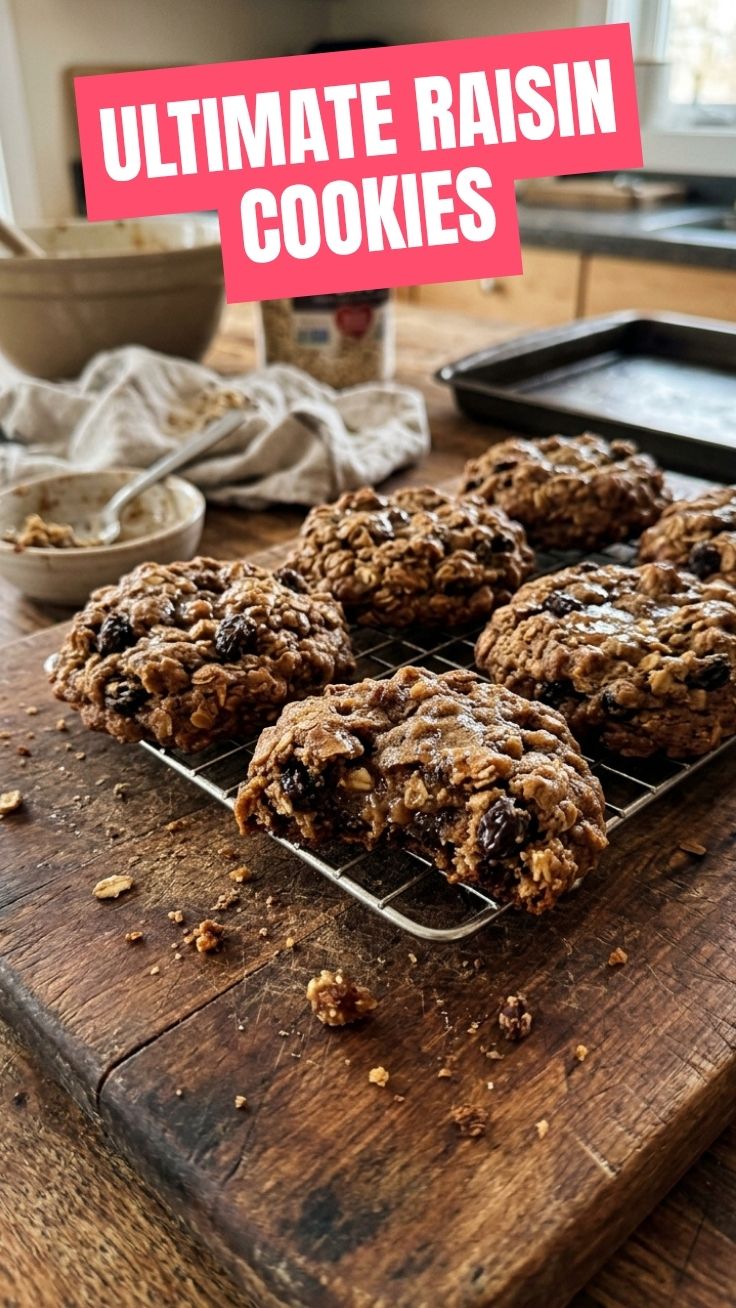
- Prep Time: 15 minutes (This includes gathering ingredients and mixing the dough).
- Chill Time (Optional but Recommended): 30 minutes to 1 hour (Chilling helps prevent excessive spreading and concentrates flavors).
- Cook Time: 10-12 minutes per batch (Depending on your oven and desired crispness).
- Cooling Time: 5-10 minutes on the baking sheet, then fully cool on a wire rack.
Allow about an hour and a half from start to finish, including chilling time, to enjoy your first warm cookie.
Step-by-Step Instructions
Let’s get baking! Follow these precise steps for perfectly baked Oatmeal Raisin Cookies:
1. Preheat & Prep: Preheat your oven to 375°F (190°C). Line baking sheets with parchment paper.
2. Cream Butter & Sugars: In a large mixing bowl, beat softened butter, granulated sugar, and brown sugar with an electric mixer on medium speed until light and fluffy (approximately 2-3 minutes). This aeration is crucial for a tender cookie.
3. Add Wet Ingredients: Beat in the eggs one at a time, mixing well after each addition. Stir in the vanilla extract.
4. Combine Dry Ingredients: In a separate medium bowl, whisk together the flour, baking soda, ground cinnamon, and salt.
5. Gradually Add Dry to Wet: Slowly add the dry ingredient mixture to the wet ingredients, mixing on low speed until just combined. Be careful not to overmix, as this can lead to tough cookies.
6. Fold in Oats & Raisins: With a rubber spatula, fold in the old-fashioned rolled oats and raisins (and optional nuts) until evenly distributed throughout the dough. Here’s where your cookie recipes truly come to life!
7. Chill (Optional but Recommended): Cover the dough and refrigerate for 30 minutes to an hour. This helps the flavors meld and prevents excessive spreading, resulting in a chewier cookie.
8. Scoop & Bake: Drop rounded tablespoons of dough onto the prepared baking sheets, leaving about 2 inches between each cookie.
9. Bake: Bake for 10-12 minutes, or until the edges are golden brown and the centers are still slightly soft. They will firm up as they cool. Overbaking leads to dry, hard cookies.
10. Cool: Let the cookies cool on the baking sheets for 5 minutes before transferring them to a wire rack to cool completely.
Nutritional Benefits & Advantages
Beyond their irresistible taste, these cookies offer some notable nutritional perks thanks to their star ingredient:
- Oats: A fantastic source of dietary fiber, especially soluble fiber called beta-glucan, known to help lower cholesterol and regulate blood sugar. They also provide essential minerals like manganese, phosphorus, magnesium, and iron.
- Raisins: While sweet, raisins are packed with antioxidants, fiber, and iron, contributing to digestive health and energy.
- Moderate Portions: When enjoyed in moderation, these cookies can be a comforting, energy-boosting snack rather than just an empty calorie treat.
Tips, Variations & Cooking Advice
- Spice It Up: Add a pinch of nutmeg or allspice for a more complex spice profile.
- Chocolate Chip Integration: For a delightful twist, swap half the raisins for chocolate chips or add both!
- Nutty Crunch: Introduce chopped walnuts or pecans for added texture and richness.
- Gluten-Free Version: Use a 1:1 gluten-free flour blend and ensure your oats are certified gluten-free. The texture might be slightly different but still delicious.
- Dairy-Free: Substitute dairy-free butter (ensure it’s baking-friendly) for a dairy-free alternative.
- Soft vs. Chewy: For a softer cookie, slightly underbake them. For crispier edges, bake for an extra minute or two.
- Flatter Cookies: If your cookies are spreading too much, ensure your butter isn’t too soft (should be slightly cool to the touch) and try chilling the dough longer.
Common Mistakes to Avoid
- Overmixing the Dough: This develops gluten, leading to tough, not tender, cookies. Mix until just combined.
- Overbaking: This is the quickest way to dry, crumbly cookies. Pull them out when the edges are golden and the centers still look a little soft.
- Not Chilling the Dough: While optional, skipping this step often results in flatter, more spread-out cookies. Chilling helps the butter solidify and the flavors deepen.
- Using Hot Baking Sheets: Always ensure your baking sheets are cool before placing new dough on them. Hot sheets will cause the dough to spread immediately.
- Wrong Type of Oats: Quick oats absorb liquid faster and can lead to a less chewy, more cake-like texture. Stick to old-fashioned rolled oats for the classic chew.
Storage & Meal Prep Tips
- Room Temperature: Store cooled Oatmeal Raisin Cookies in an airtight container at room temperature for up to 3-4 days. Placing a slice of bread in the container can help keep them soft.
- Freezing Baked Cookies: Once completely cooled, freeze cookies in a single layer on a baking sheet. Once solid, transfer them to a freezer-safe bag or container. They’ll keep for up to 3 months. Thaw at room temperature.
- Freezing Dough: Form individual cookie dough balls and freeze them on a baking sheet. Once frozen, transfer to a freezer bag. You can bake them directly from frozen, adding an extra 2-4 minutes to the baking time. This is excellent for fresh-baked cookies anytime!
Conclusion
There you have it – a comprehensive guide to baking the most delightful Oatmeal Raisin Cookies your taste buds will ever encounter! From the comforting warmth of cinnamon to the chewy sweetness of raisins, these cookies are more than just a treat; they’re a timeless classic perfected in your own kitchen. By following these steps and incorporating our expert tips, you’re not just making cookies; you’re creating a memorable experience. We encourage you to try your hand at this fantastic recipe and unlock the secret to amazing homemade cookie recipes. Share your baking triumphs with us – we’d love to see your delicious results!
FAQs
Q1: Can I use quick oats instead of old-fashioned rolled oats?
A1: While you can, old-fashioned rolled oats provide a significantly chewier and more desirable texture. Quick oats can result in a softer, more cake-like cookie.
Q2: My cookies spread too much. What went wrong?
A2: Common culprits include using butter that is too soft, not chilling the dough, or the baking sheets being too warm when the dough is placed on them. Ensure butter is cool to the touch and chill your dough!
Q3: How can I make these cookies softer and chewier?
A3: For softer cookies, slightly underbake them (pull them from the oven when the edges are set but the centers are still quite pale). Using more brown sugar than granulated sugar also helps with chewiness.
Q4: Can I reduce the amount of sugar in the recipe?
A4: You can slightly reduce the sugar, but be aware it might impact the cookie’s texture and browning. Experiment cautiously, perhaps starting with a 1/4 cup reduction.
Q5: What’s the best way to revive stale oatmeal raisin cookies?
A5: Place them in the microwave for 10-15 seconds, or wrap them in foil and warm them in a 300°F (150°C) oven for 5-7 minutes. This brings back warmth and some softness.