Mastering the Classic: Your Guide to an Irresistible Homemade New York Cheesecake
Ever wondered if you could truly recreate that iconic, velvety smooth bakery-style New York Cheesecake right in your own kitchen? The answer is a resounding yes! There’s an unparalleled satisfaction in presenting a homemade dessert, especially one as universally beloved as this, that tastes even better than what you’d find at a high-end patisserie. This comprehensive guide will not only walk you through each step of crafting the perfect New York Cheesecake but also inspire you to explore the vast and wonderful world of Cheesecake recipes. Forget store-bought; today, we unlock the secrets to a dense, rich, and perfectly tangy masterpiece that will impress every single time.
Ingredients & Kitchen Tools
Crafting the perfect cheesecake starts with quality ingredients and the right equipment.
Ingredients:
- For the Crust:
* 1 ½ cups Graham Cracker Crumbs: Provides the classic sweet and crunchy base. Use pre-crushed or crush your own digestives.
* ¼ cup Granulated Sugar: Adds a touch of sweetness to the crust.
* 6 tbsp Unsalted Butter, melted: Binds the crumbs together, ensuring a firm crust.
- For the Filling:
* 32 oz Cream Cheese, full-fat, softened: The star ingredient! Full-fat ensures richness and a creamy texture. Bring to room temperature for smooth mixing.
* 1 ½ cups Granulated Sugar: Sweetens the filling.
* ¼ cup All-Purpose Flour: A secret ingredient that helps prevent cracks and adds structure.
* 1 tsp Vanilla Extract: Enhances the overall flavor profile.
* 1 tsp Lemon Zest: Brightens the flavor, balancing the richness. (Optional, but highly recommended!)
* ½ cup Sour Cream, full-fat, at room temperature: Adds tanginess and an incredibly smooth consistency.
* 4 Large Eggs, at room temperature: Binds the filling and contributes to itsCustard-like texture.
* Pinch of Salt: Balances the sweetness.
Kitchen Tools & Utensils:
- 9-inch Springform Pan: Essential for easy removal and presentation.
- Aluminum Foil: For wrapping the springform pan if using a water bath.
- Large Mixing Bowls: Several for different components.
- Electric Mixer (stand or hand-held): For creaming the cheese and sugar until super smooth.
- Rubber Spatula: For scraping down bowls and folding.
- Measuring Cups and Spoons: For accurate ingredient measurement.
- Baking Sheet: To place the springform pan on, especially if using a water bath.
- Large Roasting Pan (for water bath): If you opt for this method, ensures even cooking.
- Cooling Rack: For allowing the cheesecake to cool completely.
Prep Time & Cooking Schedule
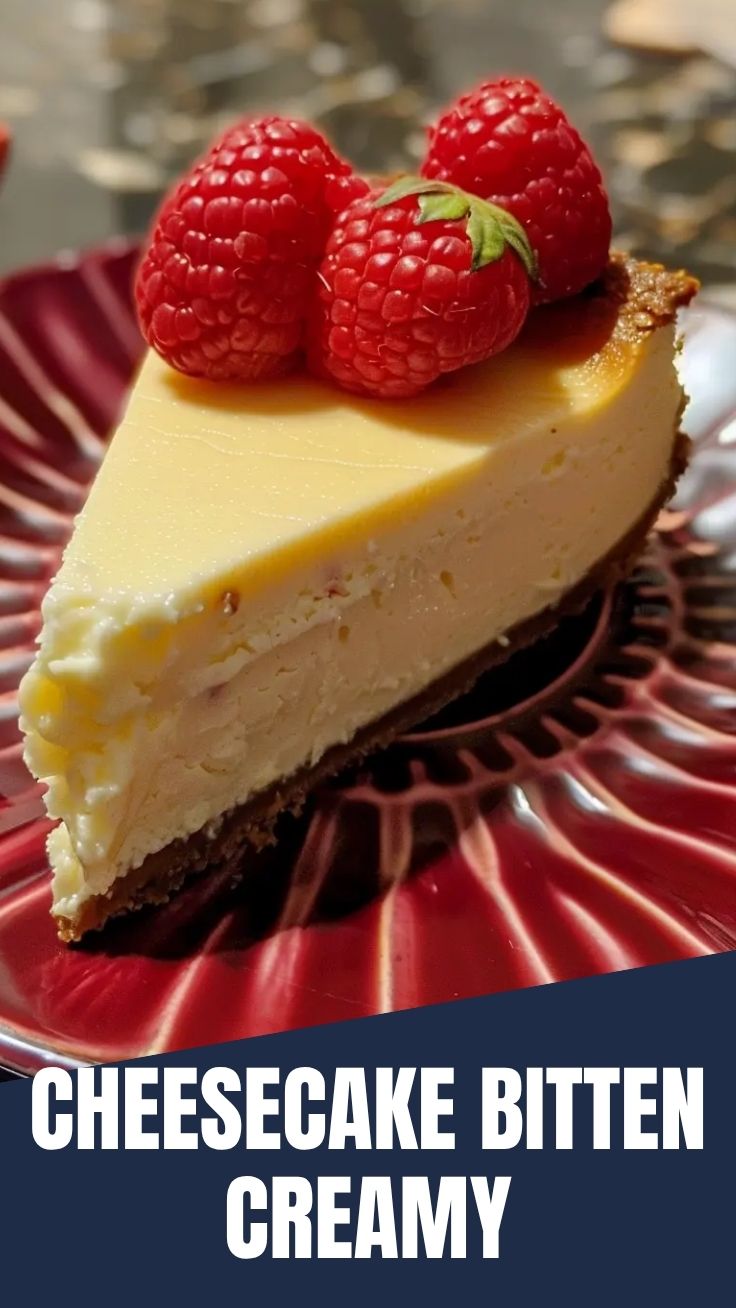
Planning is key for a successful cheesecake. This recipe requires patience but the results are worth it!
- Prep Time: 30 minutes
- Cook Time: 60-75 minutes
- Cooling Time (Room Temp): 1-2 hours
- Chill Time (Refrigerator): 6 hours to overnight (Essential for setting!)
Bring all cold ingredients, especially cream cheese, sour cream, and eggs, to room temperature at least 1-2 hours before you start. This ensures a lump-free, perfectly smooth batter.
Step-by-Step Instructions
1. Prepare the Crust (20 minutes):
* Preheat oven to 350°F (175°C).
* In a medium bowl, combine graham cracker crumbs, granulated sugar, and melted butter. Mix until well combined and resembles wet sand.
* Press the mixture evenly into the bottom of a 9-inch springform pan. Use the bottom of a glass to firmly press the crumbs.
* Bake for 8-10 minutes, or until lightly golden. This helps set the crust and prevents sogginess.
* Remove from oven and let cool completely on a wire rack while you prepare the filling. Reduce oven temperature to 325°F (160°C).
2. Prepare for Water Bath (Optional but Recommended – 10 minutes):
* If using a water bath (highly recommended for a crack-free New York Cheesecake), wrap the outside of the springform pan tightly with heavy-duty aluminum foil, ensuring no water can seep in.
3. Make the Filling (15 minutes):
* In a large mixing bowl, beat the softened cream cheese with an electric mixer on medium speed until smooth and creamy, about 2-3 minutes. Scrape down the sides of the bowl.
* Gradually add the 1 ½ cups granulated sugar and flour, beating until just combined and smooth. Be careful not to overmix.
* Beat in the vanilla extract, lemon zest (if using), and sour cream until incorporated.
* Add the eggs one at a time, beating on low speed until just combined after each addition. Do not overmix once eggs are added, as this can incorporate too much air, leading to cracks.
* Pour the smooth batter over the cooled graham cracker crust.
4. Bake the Cheesecake (60-75 minutes):
* If using a water bath, place the foil-wrapped springform pan into a larger roasting pan. Carefully pour hot water into the roasting pan until it reaches about halfway up the sides of the springform pan.
* Carefully transfer to the preheated oven.
* Bake for 60-75 minutes, or until the edges are set and a 2-3 inch diameter in the center jiggles slightly when gently shaken. The internal temperature should be around 150°F (65°C).
* Turn off the oven, crack the oven door open slightly, and let the Cheesecake recipes cool in the oven for 1 hour. This slow cooling prevents sudden temperature changes that can cause cracking.
5. Cooling and Chilling (Overnight Recommended):
* Remove the cheesecake from the oven (and water bath, if used). Run a thin knife around the edge of the pan to help prevent cracking as it cools.
* Let it cool completely on a wire rack at room temperature for 1-2 hours.
* Once completely cooled, cover loosely with plastic wrap and refrigerate for at least 6 hours, or preferably overnight. Chilling is crucial for the cheesecake to firm up and develop its signature dense texture.
Nutritional Benefits & Advantages
While often seen as an indulgent treat, a homemade New York Cheesecake actually offers a few surprising advantages. Full-fat dairy, like cream cheese and sour cream, provides healthy fats and fat-soluble vitamins (A, D, E, K). Eggs are an excellent source of protein and essential nutrients like choline. When made at home, you control the quality of ingredients, avoiding artificial flavors and preservatives often found in store-bought versions. The dense texture also means smaller portions are often more satisfying, making it easier to enjoy in moderation.
Tips, Variations & Cooking Advice
- Room Temperature Ingredients: This is the golden rule for any cheesecake! Cold cream cheese leads to a lumpy batter.
- Don’t Overmix: Overmixing incorporates too much air, which expands during baking and then collapses, causing cracks. Mix until just combined.
- Water Bath: While optional, a water bath creates a moist, even baking environment, reducing the risk of cracks and ensuring a silkier texture.
- Crack Prevention: Besides the water bath and slow cooling, avoid opening the oven door too frequently during baking.
- Flavor Variations:
* Chocolate: Add ¼ cup unsweetened cocoa powder to the crust and ½ cup melted dark chocolate to the filling.
* Lemon-Blueberry: Increase lemon zest, and fold in fresh blueberries before baking. Serve with a blueberry compote.
* Pumpkin Spice: Replace some flour with pumpkin puree and add pumpkin pie spice for a seasonal twist.
* Salted Caramel: Drizzle with homemade salted caramel sauce after chilling.
Common Mistakes to Avoid
- Lumpy Batter: Caused by using cold cream cheese. Ensure all dairy and eggs are at room temperature.
- Cracked Top: Often results from overmixing the batter, overbaking, or sudden temperature changes during cooling. Follow the water bath and slow-cooling method.
- Soggy Crust: This happens when the crust isn’t pre-baked or when the springform pan isn’t properly wrapped for a water bath.
- Undercooked Center: The center should jiggle slightly, like Jell-O, not be liquid. Use the baking time as a guide, but always check for that slight jiggle.
Storage & Meal Prep Tips
Your homemade New York Cheesecake stores beautifully, making it an excellent dessert to prepare ahead.
- Refrigeration: Store leftover cheesecake tightly covered in plastic wrap in the refrigerator for up to 5-7 days.
- Freezing: For longer storage, slice the cheesecake into individual portions. Wrap each slice tightly in plastic wrap, then again in aluminum foil. Place in an airtight freezer-safe container or bag. Freeze for up to 2-3 months.
- Thawing: Thaw frozen slices in the refrigerator overnight or at room temperature for 1-2 hours. Do not microwave.
Conclusion
Creating a flawless New York Cheesecake at home is a rewarding culinary journey that combines precision with a touch of patience. By following these detailed steps, you’ll achieve that coveted creamy texture and rich flavor that defines this classic dessert. Don’t be afraid to experiment and make it your own; the world of Cheesecake recipes is vast and delicious. Give this recipe a try, share your magnificent creations in the comments below, and let us know your favorite ways to enjoy this timeless treat! Happy baking!
FAQs
Q1: Why did my cheesecake crack?
A1: Cracking is usually due to temperature shock (cooling too quickly), overbaking, or overmixing the batter, which incorporates too much air. Using a water bath and letting it cool slowly in the turned-off oven are key preventative measures.
Q2: Can I use low-fat cream cheese?
A2: While you can, it’s not recommended for an authentic New York Cheesecake. Full-fat cream cheese is crucial for the signature dense, rich, and creamy texture. Low-fat versions often result in a drier, less flavorful cheesecake.
Q3: How do I know when my cheesecake is done?
A3: The edges should be set, but the center, about 2-3 inches in diameter, should still jiggle slightly when you gently shake the pan. It will continue to set as it cools.
Q4: Can I make this gluten-free?
A4: Absolutely! Simply substitute gluten-free graham cracker crumbs (or a similar gluten-free cookie). Ensure all other ingredients are naturally gluten-free.
Q5: What’s the best way to cut clean slices?
A5: For perfect slices, chill the cheesecake thoroughly. Use a sharp, thin knife dipped in hot water and wiped clean between each slice.