Mastering the Art of the Perfect Steak (Pan-Seared Ribeye): A Home Cook’s Guide
Have you ever gazed longingly at a perfectly seared steak in a high-end restaurant, wondering if you could ever replicate that juicy, flavorful masterpiece in your own kitchen? The good news is, you absolutely can! Today, we’re diving deep into the world of Steak (Pan-Seared Ribeye), a culinary triumph that’s surprisingly achievable for home cooks of all skill levels. Forget expensive dining; mastering the Pan-Seared technique will not only elevate your weeknight meals but also impress any dinner guest. Preparing a magnificent Steak (Pan-Seared Ribeye) at home offers undeniable value, allowing you to control the quality of your ingredients, customize seasoning to your preference, and achieve that coveted crust and tender interior with precision.
Ingredients & Kitchen Tools
Crafting the perfect Steak (Pan-Seared Ribeye) requires a few essential items. Here’s what you’ll need:
- Ribeye Steak (1.5-2 inches thick): The star of the show. Choose a good quality, well-marbled cut for maximum flavor and tenderness.
- Kosher Salt & Freshly Ground Black Pepper: Essential for seasoning. Kosher salt provides better adherence and flavor distribution.
- High Smoke Point Oil (e.g., Avocado, Grapeseed, Canola): For searing without burning. Olive oil has too low a smoke point for high-heat searing.
- Unsalted Butter (2-3 tablespoons): For basting, adding a rich, nutty flavor.
- Aromatics (Garlic cloves, Fresh Rosemary/Thyme sprigs): Optional, but highly recommended for infusing flavor into the butter.
- Heavy-Bottomed Skillet (Cast Iron or Stainless Steel): Crucial for even heat distribution and achieving a superb crust.
- Tongs: For safely flipping the steak.
- Meat Thermometer (Instant-Read): Your best friend for ensuring perfect doneness.
- Cutting Board: For resting and slicing the steak.
- Aluminum Foil: For tenting the steak during resting.
Prep Time & Cooking Schedule
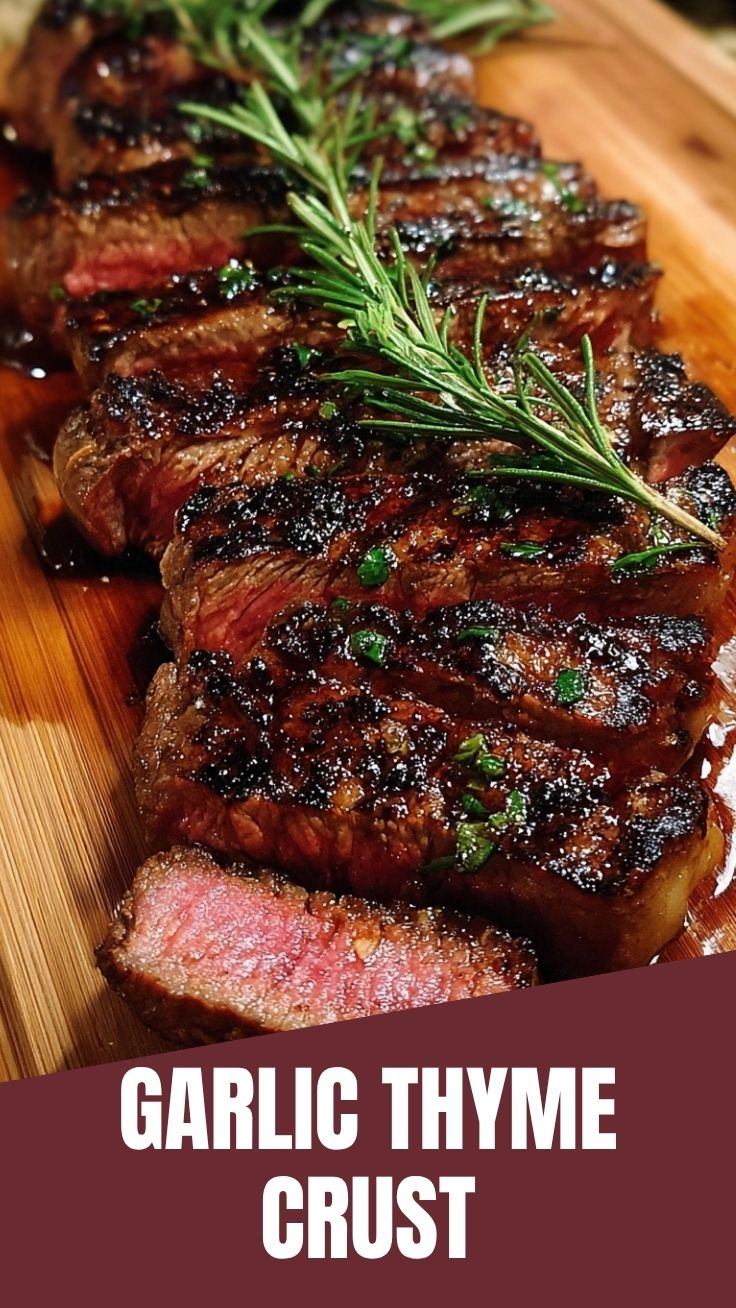
Achieving steakhouse quality at home is all about timing and preparation.
- Prep Time: 15 minutes (Includes seasoning and bringing to room temperature)
- Cook Time: 8-12 minutes (Depending on desired doneness and steak thickness)
- Resting Time: 10 minutes
For best results, remove your ribeye from the refrigerator at least 30-60 minutes before cooking. This allows the steak to come closer to room temperature, ensuring more even cooking throughout. Season generously just before searing.
Step-by-Step Instructions
Follow these precise steps to achieve a perfectly Pan-Seared Steak (Pan-Seared Ribeye):
1. Bring to Room Temp & Season: Remove the Steak (Pan-Seared Ribeye) from the refrigerator 30-60 minutes before cooking. Pat it thoroughly dry with paper towels to ensure a good sear. Season generously on all sides with kosher salt and freshly ground black pepper. Don’t be shy – a thick steak needs a good amount of seasoning.
2. Preheat the Skillet: Place your heavy-bottomed skillet over high heat. Let it preheat for 3-5 minutes until it’s smoking lightly. This is essential for achieving a deep, flavorful crust.
3. Add Oil & Sear: Add 1-2 tablespoons of high smoke point oil to the hot skillet, swirling to coat the bottom. Carefully place the seasoned steak into the hot pan. Sear undisturbed for 2-3 minutes per side for medium-rare, or longer for more doneness. You’re looking for a rich, dark brown crust.
4. Lower Heat & Baste (Optional): After searing both sides, reduce the heat to medium. Add the butter, garlic, and herbs (if using) to the pan. Tilt the pan slightly and, using a spoon, baste the melting butter over the steak continuously for 1-2 minutes. This infuses incredible flavor and helps cook the interior.
5. Check Doneness: Use an instant-read meat thermometer.
* Rare: 120-125°F (49-52°C)
* Medium-Rare: 130-135°F (54-57°C)
* Medium: 140-145°F (60-63°C)
* Medium-Well: 150-155°F (66-68°C)
* Well-Done: 160°F+ (71°C+)
Remember, the internal temperature will rise by 5-10 degrees while resting.
6. Rest the Steak: Once your desired doneness is reached, remove the steak from the skillet and place it on a cutting board. Tent loosely with aluminum foil and let it rest for at least 10 minutes. This crucial step allows the juices to redistribute, resulting in a more tender and flavorful steak.
7. Slice and Serve: After resting, slice the steak against the grain into thick pieces. Serve immediately with your favorite sides.
Nutritional Benefits & Advantages
Ribeye steak, when enjoyed in moderation, offers several nutritional benefits. It’s an excellent source of high-quality protein, essential for muscle repair and growth, and contains vital micronutrients like iron, zinc, and B vitamins (B6, B12, Niacin, Riboflavin). Iron is crucial for oxygen transport, while zinc supports immune function. The healthy fats in a ribeye also contribute to satiety and overall well-being. Eating a delicious Steak (Pan-Seared Ribeye) at home allows you to control the type and amount of fats used, avoiding excessive sodium and unhealthy additives often found in restaurant preparations.
Tips, Variations & Cooking Advice
- Reverse Sear: For ultra-even cooking, try the reverse sear method: bake the steak in a low oven (250°F / 120°C) until it’s 15-20°F below your target internal temperature, then sear both sides on high heat for 1-2 minutes until a crust forms.
- Flavor Boosts: Experiment with different aromatics like crushed peppercorns, dried chili flakes, or a squeeze of lemon juice after basting. A pat of compound butter (mixed with herbs) melted on top after resting is also divine.
- Sauces: A simple pan sauce made with deglazed pan drippings, a splash of wine or broth, and a knob of butter can transform your meal.
- Dietary Adaptations: For lower fat, consider leaner cuts like sirloin, though the cooking method remains similar. While steak is naturally gluten-free and dairy-free (if you omit butter), opting for grass-fed beef can enhance its nutritional profile.
Common Mistakes to Avoid
- Not Patting Dry: Moisture on the surface of the steak will steam rather than sear, preventing a crispy crust. Always pat thoroughly dry.
- Cold Steak to Hot Pan: Putting a cold steak directly into a hot pan results in uneven cooking – burnt outside, raw inside. Let it come closer to room temperature.
- Crowding the Pan: If cooking multiple steaks, work in batches. Overcrowding lowers the pan temperature and hinders searing.
- Flipping Too Often: Resist the urge! Let the steak develop a proper crust before flipping. Typically, one flip per side is sufficient during the initial sear.
- Not Resting: This is perhaps the most critical mistake. Cutting into a steak too soon allows delicious juices to escape, leading to a dry result.
Storage & Meal Prep Tips
Leftover Steak (Pan-Seared Ribeye) can be a culinary treasure. Store cooked ribeye in an airtight container in the refrigerator for 3-4 days. For optimal flavor and texture when reheating, slice the steak cold, then gently warm the slices in a hot pan with a little butter or beef broth, just until heated through. Avoid microwaving, as it can often make the steak tough. Sliced cold steak is also fantastic for salads, sandwiches, or even quick stir-fries. Freezing cooked steak is possible, but it can alter the texture. If freezing, wrap tightly in plastic wrap and then foil; it generally lasts up to 2-3 months.
Conclusion
Mastering the art of the perfect Steak (Pan-Seared Ribeye) is a genuinely rewarding culinary achievement. By following these detailed steps, paying attention to precise timing, and employing the correct Pan-Seared techniques, you can consistently achieve restaurant-quality results right in your own kitchen. We encourage you to try this recipe and experience the profound satisfaction of cooking a phenomenal steak. Share your perfect Steak (Pan-Seared Ribeye) creations – we’d love to see them!
FAQs
Q: How do I know when my cast iron skillet is hot enough?
A: Your cast iron skillet is ready when a drop of water flicked onto the surface immediately sizzles and evaporates. You might also see a wisp of smoke from the dry pan.
Q: Can I use olive oil instead of high smoke point oil?
A: While extra virgin olive oil has fantastic flavor, its low smoke point makes it unsuitable for high-heat searing. It will burn and produce an off-flavor. Stick to oils like avocado, grapeseed, or canola for best results.
Q: What does “rest the steak” mean and why is it important?
A: Resting the steak means letting it sit undisturbed after cooking. During cooking, the muscle fibers contract, pushing juices to the center. Resting allows these fibers to relax and the juices to redistribute throughout the meat, ensuring a tender, juicy, and flavorful bite.
Q: My steak isn’t getting a good crust. What am I doing wrong?
A: The most common reasons are not drying the steak thoroughly before cooking, not preheating the pan sufficiently, or overcrowding the pan. Ensure your steak is bone dry, your pan is smoking hot, and cook one steak at a time if necessary.
Q: Can I use this method for other cuts of steak?
A: Yes, the Pan-Seared technique is excellent for many cuts, especially thicker ones like New York strip, porterhouse, and even thicker sirloin steaks. Adjust cooking times based on thickness and desired doneness.