Crispy, Juicy, and Irresistible: Mastering the Art of Buttermilk Fried Chicken at Home
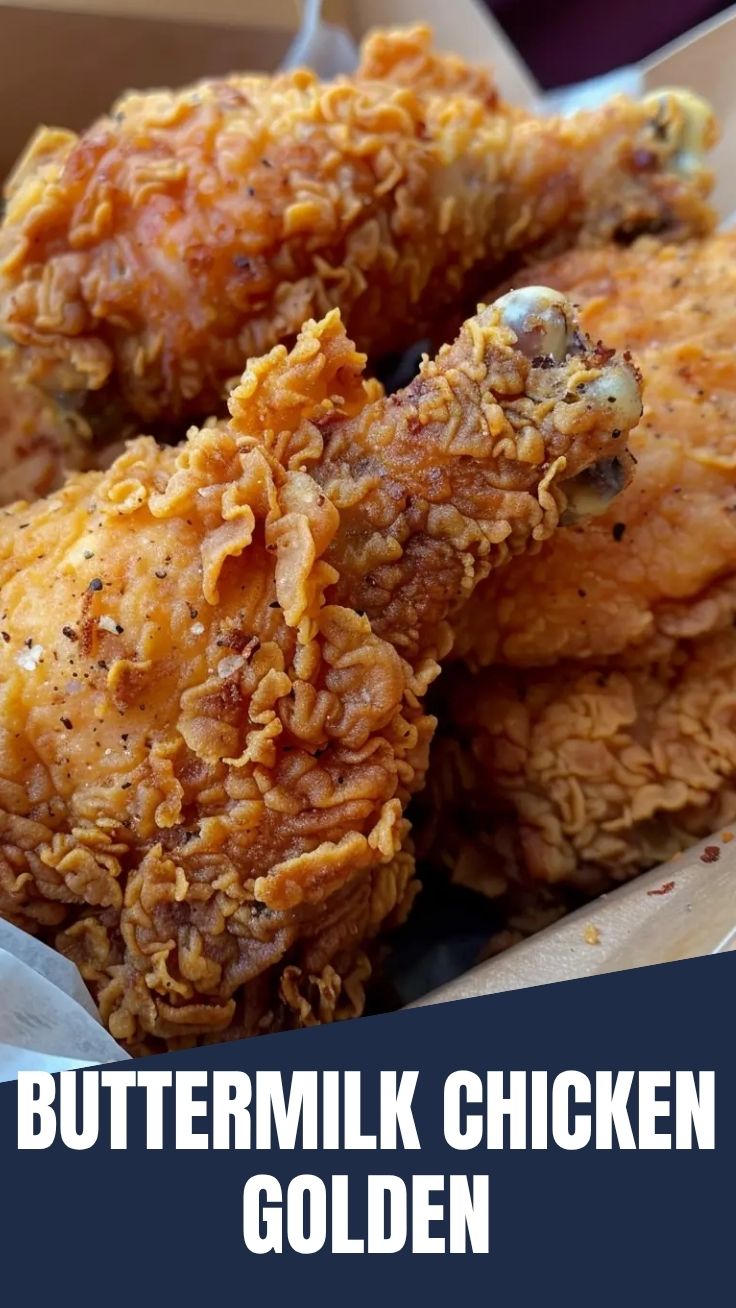
Are you tired of settling for mediocre takeout when your cravings scream for that perfect, golden-brown fried chicken? Imagine biting into a piece so unbelievably crispy on the outside, yet incredibly tender and juicy on the inside. That’s the magic of Buttermilk Fried Chicken, a culinary masterpiece that, once mastered, will forever change your perception of comfort food. Preparing this iconic dish at home isn’t just about saving money; it’s about crafting an unforgettable meal tailored to your exact preferences, ensuring every bite is a burst of flavorful joy. Forget bland imitations; we’re diving deep into the secrets behind truly exceptional fried poultry, rivaling even the most lauded Southern fried chicken joints.
Ingredients & Kitchen Tools
To embark on your fried chicken journey, gather these essentials:
- Whole Chicken (cut into 8 pieces): Provides a variety of cuts, from juicy thighs to succulent breasts. Consider bone-in, skin-on pieces for maximum flavor and moisture retention.
- Buttermilk (2 cups): The star ingredient! Its acidity tenderizes the chicken and creates a tangy flavor.
- All-Purpose Flour (2 cups): Forms the base of your crispy coating.
- Cornstarch (1/2 cup): Adds unparalleled crispiness and helps the coating adhere.
- Salt (2 tbsp): Enhances flavor. Use kosher salt for better dissolving.
- Black Pepper (1 tbsp): A foundational spice for a peppery kick.
- Paprika (1 tbsp): Adds warmth, color, and a subtle sweetness.
- Garlic Powder (1 tbsp): Infuses savory depth.
- Onion Powder (1 tbsp): Complements the garlic for a richer aroma.
- Cayenne Pepper (1 tsp, optional): For a touch of heat. Adjust to your spice preference.
- Hot Sauce (1 tbsp, optional): A few dashes in the buttermilk for an extra flavor boost.
- Vegetable Oil or Peanut Oil (6-8 cups): High smoke point oils are ideal for deep frying.
- Large Bowl (2): One for the buttermilk marinade, one for the flour dredge.
- Whisk: For combining dry ingredients.
- Tongs: Essential for safely handling hot chicken.
- Dutch Oven or Large, Heavy-Bottomed Pot: Maintains consistent oil temperature.
- Wire Rack with Baking Sheet: For draining excess oil and keeping chicken crispy.
- Instant-Read Meat Thermometer: Crucial for ensuring chicken is cooked through (165°F/74°C).
Prep Time & Cooking Schedule
- Prep Time: 20 minutes (plus marinating)
- Marinating Time: Minimum 4 hours, ideally 12-24 hours. This is crucial for tenderizing and infusing flavor, so plan ahead!
- Cook Time: 25-30 minutes per batch
- Resting Time: 5-10 minutes
For best results, begin marinating your chicken the day before you plan to serve. This allows ample time for the buttermilk to work its magic, ensuring maximum tenderness and flavor.
Step-by-Step Instructions
1. Marinate the Chicken: In a large bowl, submerge your chicken pieces in buttermilk. If using, add hot sauce. Cover and refrigerate for at least 4 hours, or up to 24 hours. This initial soak is key to super flavorful Buttermilk Fried Chicken.
2. Prepare the Dredge: In a second large bowl, whisk together the flour, cornstarch, salt, black pepper, paprika, garlic powder, onion powder, and cayenne pepper (if using).
3. Dredge the Chicken: One piece at a time, remove the chicken from the buttermilk, allowing excess liquid to drip off. Thoroughly coat each piece in the flour mixture, pressing firmly to ensure the dredge adheres. Place dredged pieces on a clean plate or wire rack.
4. Heat the Oil: Pour 6-8 cups of vegetable or peanut oil into your Dutch oven or heavy-bottomed pot. Heat over medium-high heat until it reaches 350°F (175°C). Use a thermometer for accuracy—this is vital for achieving that perfect crispiness, akin to truly authentic Southern fried chicken.
5. Fry the Chicken: Carefully lower 2-3 pieces of chicken into the hot oil, ensuring not to overcrowd the pot. Fry for 6-8 minutes per side, turning occasionally, until golden brown and cooked through. The internal temperature should be 165°F (74°C). Adjust heat as needed to maintain 325-350°F (160-175°C).
6. Drain and Rest: Transfer cooked chicken to a wire rack set over a baking sheet to drain excess oil. This prevents the bottom from getting soggy.
7. Serve: Let the chicken rest for 5-10 minutes before serving. This allows the juices to redistribute, resulting in more tender chicken.
Nutritional Benefits & Advantages
Chicken is a lean protein source, essential for muscle repair and growth. Buttermilk, while richer than regular milk, is also a good source of calcium and probiotics (if made with live cultures). While fried, portion control and choosing healthier frying oils (like peanut oil) can mitigate some of the caloric intake. This homemade version offers the advantage of controlling sodium and avoiding artificial additives often found in commercially prepared fried chicken.
Tips, Variations & Cooking Advice
- Double Dredge: For an extra thick and crispy crust, dip the chicken in buttermilk, then flour, then back into buttermilk, and finally back into the flour mixture.
- Spice it up: Add a pinch of white pepper or a dash of your favorite chili powder to the dredge for more heat.
- Herbaceous Twist: Finely chopped fresh rosemary or thyme can be mixed into the flour for an aromatic coating.
- Gluten-Free: Substitute the all-purpose flour with a gluten-free all-purpose blend (ensure it contains xanthan gum).
- Air Fryer Version: For a lighter take, lightly spray dredged chicken with oil and air fry at 375°F (190°C) for 20-25 minutes, flipping halfway, until golden and cooked through.
Common Mistakes to Avoid
- Overcrowding the Pot: This drops the oil temperature too quickly, leading to soggy, greasy chicken. Fry in batches.
- Not Using a Thermometer: Guessing oil temperature results in either burned exteriors with raw interiors or greasy, undercooked chicken. Invest in an instant-read thermometer.
- Skipping the Rest: Resting allows the juices to settle, preventing dry chicken.
- Under-Seasoning the Dredge: Don’t be shy with the spices! The coating needs to carry a lot of flavor.
- Impatient Marinating: The longer the marinade, the better the flavor and tenderness.
Storage & Meal Prep Tips
Leftover fried chicken can be stored in an airtight container in the refrigerator for up to 3-4 days. To reheat and maintain crispiness, place chicken on a wire rack in a preheated oven at 375°F (190°C) for 15-20 minutes, or until heated through. Avoid microwaving, as it tends to make the crust soggy. For meal prep, you can marinate the chicken a day in advance, making the cooking process quicker on a busy weeknight.
Conclusion
Mastering Buttermilk Fried Chicken at home is a rewarding culinary achievement. By following these detailed steps, you can create a dish that boasts an unbelievably crispy exterior and a wonderfully juicy interior, rivaling any restaurant-quality offering. From the crucial marinating process to the perfect oil temperature, every element contributes to that quintessential taste. So, gather your ingredients, fire up your fryers, and prepare to indulge in the joy of perfectly prepared fried poultry, a true testament to the timeless appeal of delicious home-cooked Southern fried chicken. Your taste buds—and your family—will thank you!
FAQs
Q: Can I use regular milk instead of buttermilk?
A: While buttermilk is highly recommended for its acidity and thickening properties that aid in tenderizing and coating, you can create a buttermilk substitute by adding 1 tablespoon of lemon juice or white vinegar to 1 cup of regular milk and letting it sit for 5-10 minutes until it curdles.
Q: What’s the best way to keep the chicken warm while frying in batches?
A: Place the cooked chicken on a wire rack set over a baking sheet in an oven preheated to 200°F (93°C). This will keep the chicken warm without making it soggy.
Q: My crust isn’t staying crispy. What could be wrong?
A: Common culprits include overcrowding the pot (which lowers oil temperature), not draining excess oil sufficiently, or covering the chicken while it cools. Ensure proper oil temperature and always drain on a wire rack.
Q: Can I freeze fried chicken?
A: Yes, you can freeze cooled fried chicken. Wrap individual pieces tightly in plastic wrap, then aluminum foil, and store in an airtight freezer bag for up to 3 months. Reheat from frozen in a 375°F (190°C) oven until crispy and heated through.