Crispy, Juicy, and Irresistible: Mastering the Art of Homemade Fried Chicken
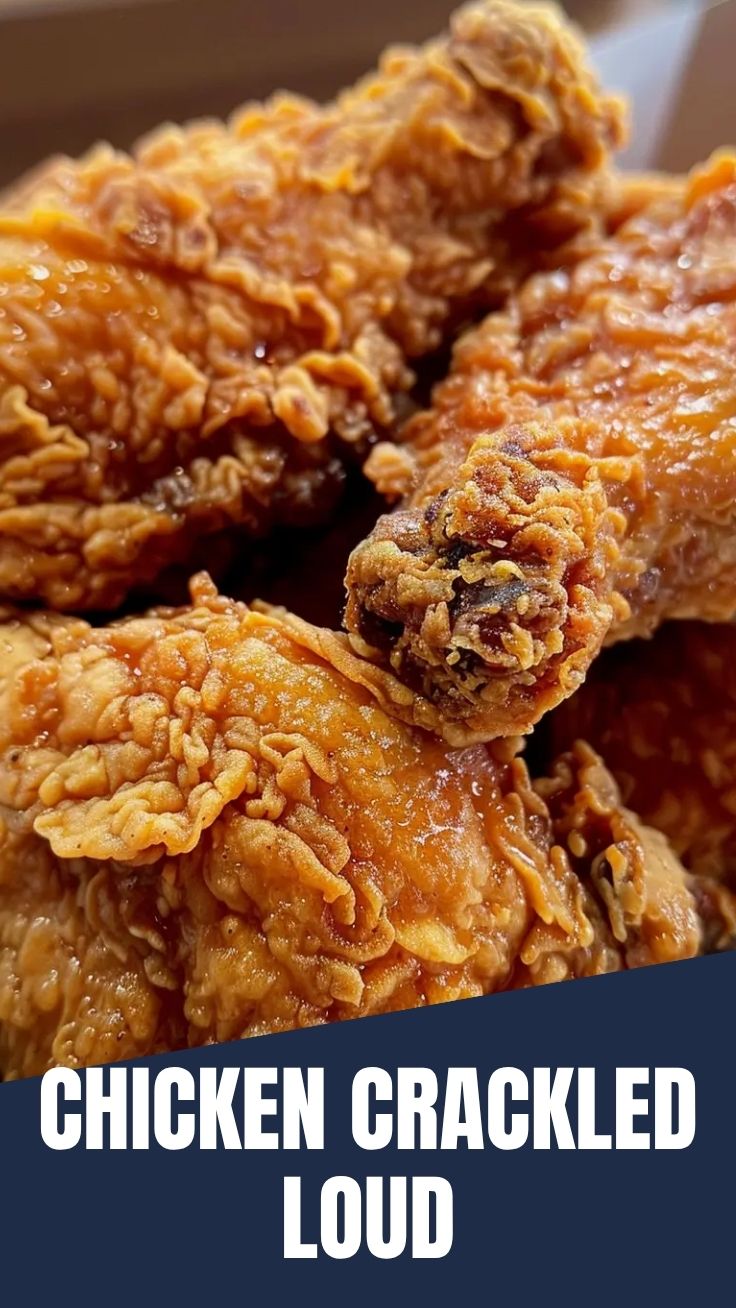
Craving that perfectly golden, impossibly crispy, and undeniably juicy piece of Fried Chicken? Forget the drive-thru! There’s an unparalleled satisfaction and a world of flavor awaiting you when you tackle this culinary classic in your own kitchen. Preparing Southern Fried Chicken at home allows for complete control over the ingredients, ensuring a healthier, fresher meal that bursts with authentic taste. This comprehensive guide will walk you through every step, from selecting the right poultry to achieving that coveted crunch, transforming your home into the ultimate fried chicken haven.
Ingredients & Kitchen Tools
- Chicken Pieces (3-4 lbs): A mix of drumsticks, thighs, and wings works best for variety. Bone-in, skin-on is preferred for optimal flavor and moisture retention.
- Buttermilk (2 cups): Essential for tenderizing the chicken and helping the dredge adhere.
- All-Purpose Flour (2 cups): The base for our crispy coating.
- Cornstarch (1/2 cup): Adds extra crispiness to the dredge.
- Smoked Paprika (1 tbsp): For a touch of smoky flavor and color.
- Garlic Powder (1 tbsp): Aromatic and savory.
- Onion Powder (1 tbsp): Enhances the savory depth.
- Cayenne Pepper (1 tsp, optional): For a subtle kick. Adjust to your spice preference.
- Salt (2 tsp): Crucial for seasoning.
- Black Pepper (1 tsp): Adds a pungent spice.
- Hot Sauce (1 tbsp, optional): A dash in the buttermilk brine can add another layer of flavor.
- Vegetable Oil or Peanut Oil (6-8 cups): For deep frying. Choose oils with a high smoke point.
- Large Bowl: For brining the chicken.
- Shallow Dish/Tray: For the flour dredge.
- Heavy-Bottomed Pot or Dutch Oven: Ideal for maintaining consistent oil temperature during frying.
- Thermometer (Candy or Deep-Fry): Absolutely essential for precise temperature control.
- Tongs: For safely handling chicken in hot oil.
- Wire Rack & Paper Towels: For draining excess oil after frying.
Prep Time & Cooking Schedule
- Prep Time: 20 minutes (active)
- Marinating Time: 4 hours to overnight (longer is better for tenderness)
- Cook Time: 20-30 minutes per batch
- Total Time: Approximately 4 hours 40 minutes (with 4-hour marination)
The marinating time is crucial for tenderizing the chicken and infusing it with flavor, so plan accordingly. Overnight marination is highly recommended for the best results.
Step-by-Step Instructions
1. Prepare the Brine: In a large bowl, combine the buttermilk, 1 tsp salt, 1/2 tsp black pepper, and optional hot sauce. Add the chicken pieces, ensuring they are fully submerged. Cover and refrigerate for at least 4 hours, or preferably overnight, for tender, flavorful Fried Chicken.
2. Make the Dredge: In a shallow dish or tray, whisk together the all-purpose flour, cornstarch, smoked paprika, garlic powder, onion powder, cayenne pepper (if using), 1 tsp salt, and 1/2 tsp black pepper. Ensure all ingredients are thoroughly combined for a consistent coating.
3. Dredge the Chicken: Remove the chicken pieces from the buttermilk, allowing excess liquid to drip off slightly. One piece at a time, transfer chicken to the flour mixture, pressing firmly to ensure the dredge adheres completely. Shake off any excess flour. Place dredged chicken on a wire rack while you prepare the remaining pieces. This allows the coating to “set” slightly.
4. Heat the Oil: Pour vegetable or peanut oil into a heavy-bottomed pot or Dutch oven, filling it about 3-4 inches deep. Heat the oil over medium-high heat until it reaches 350-375°F (175-190°C). Use a deep-fry thermometer to monitor the temperature precisely, as this is critical for achieving perfectly cooked Southern Fried Chicken.
5. Fry the Chicken: Carefully lower 2-3 pieces of dredged chicken into the hot oil, being careful not to overcrowd the pot, which would lower the oil temperature too much. Fry for about 6-8 minutes per side, or until golden brown and cooked through. The internal temperature of the chicken should reach an internal temperature of 165°F (74°C). Adjust heat as necessary to maintain a consistent oil temperature.
6. Drain and Rest: Once cooked, remove the chicken with tongs and place it on a wire rack set over paper towels to drain excess oil. This ensures the crust stays crispy. Repeat with remaining chicken pieces. Serve immediately and enjoy!
Nutritional Benefits & Advantages
Homemade fried chicken, when prepared thoughtfully, offers several benefits. Chicken is an excellent source of lean protein, essential for muscle repair and growth. Opting for skin-on, bone-in chicken provides additional flavor and moisture. While frying does add calories, using high-quality oils and draining properly minimizes excess fat. Furthermore, making it at home means you control the sodium content and avoid artificial additives often found in commercially prepared versions.
Tips, Variations & Cooking Advice
- Double Dredge: For an extra thick and crispy crust, after the initial dredge, dip the chicken back into the buttermilk (or a plain egg wash) and then again into the flour mixture.
- Spice it up: Add a pinch of cayenne, chili powder, or even a dash of ghost pepper powder to the flour mixture for a fiery kick.
- Herbaceous Flavor: Incorporate dried herbs like thyme, sage, or rosemary into your flour dredge for an aromatic twist.
- Air Fryer Version: For a lighter option, after dredging, spray the chicken liberally with cooking spray and air fry at 375°F (190°C) for 20-25 minutes, flipping halfway, until golden and cooked through.
- Gluten-Free: Substitute the all-purpose flour with a 1:1 gluten-free flour blend for a celiac-friendly alternative.
Common Mistakes to Avoid
- Overcrowding the Pot: This significantly lowers the oil temperature, leading to greasy, soggy chicken with an uneven cook. Fry in batches.
- Skipping the Thermometer: Guessing oil temperature is a recipe for disaster. Too low, and it’s greasy; too high, and the outside burns before the inside cooks.
- Not Resting the Chicken: Resting allows the internal juices to redistribute, resulting in more tender and flavorful meat.
- Undercooking or Overcooking: Always check the internal temperature to ensure safety and optimal texture.
- Ignoring the Brine: The buttermilk brine is essential for tenderization and flavor, don’t skip it!
Storage & Meal Prep Tips
Leftover Southern Fried Chicken can be stored in an airtight container in the refrigerator for up to 3-4 days. To maintain crispiness when reheating, it’s best to use an oven or air fryer. Reheat at 375°F (190°C) for 10-15 minutes, or until warmed through and crispy. Avoid microwaving, as it will make the crust soggy. For meal prepping, you can brine the chicken a day in advance, making the frying process quicker on the day of cooking.
Conclusion
Mastering homemade Fried Chicken is a rewarding culinary journey that promises tender, flavorful, and incredibly crispy results. By following these detailed steps, paying attention to oil temperature, and embracing the power of a good buttermilk brine, you’ll be able to create a dish that rivals any restaurant. Whether you prefer a classic take or venture into spicy variations, this guide equips you with all the knowledge needed to perfect your Southern Fried Chicken. Don’t hesitate to dive in and taste the difference of homemade! Share your crispy creations with us in the comments below!
FAQs
Q1: Can I use boneless, skinless chicken breasts for this recipe?
A1: While you can, bone-in, skin-on pieces are highly recommended for the best flavor and moisture. If using boneless, skinless, reduce frying time significantly to prevent drying out.
Q2: What’s the best way to get the oil temperature right?
A2: A deep-fry thermometer is non-negotiable. Aim for 350-375°F (175-190°C) and adjust your burner heat as needed to keep it consistent.
Q3: My fried chicken isn’t crispy enough, what went wrong?
A3: Common culprits include overcrowding the pot (lowering oil temp), not letting excess buttermilk drain before dredging, or not shaking off excess flour. Using cornstarch in the dredge also helps with crispness.
Q4: How can I make this recipe spicier?
A4: Increase the amount of cayenne pepper in the dredge, add a pinch of chili powder, or include a few dashes of your favorite hot sauce directly into the buttermilk brine.
Q5: Can I freeze fried chicken?
A5: Yes, cooked fried chicken can be frozen for up to 3 months. Wrap individual pieces tightly in plastic wrap, then place them in an airtight freezer bag. Reheat in the oven or air fryer for best results.