Unlocking the Golden Perfection: Your Ultimate Guide to Homemade Baked Mac and Cheese
Ever wondered how to achieve that perfectly creamy, irresistibly cheesy, and utterly comforting Baked Mac and Cheese every single time? Forget bland, watery imitations; today, we’re diving deep into crafting a homemade masterpiece that will tantalize your taste buds and impress even the most discerning palates. Preparing this iconic dish at home isn’t just about saving money; it’s about control – control over premium ingredients, flavor nuances, and achieving that melt-in-your-mouth perfection. By mastering this recipe, you’ll discover the secret to a rich, velvety sauce infused with the sharp tang of high-quality Cheddar cheese, transforming a simple side dish into a star-studded main course. This comprehensive guide, packed with insights and practical tips, will empower you to create a dish that truly shines.
*
Ingredients & Kitchen Tools
Crafting the perfect Baked Mac and Cheese requires a thoughtful selection of ingredients and the right tools. Here’s what you’ll need:
- Elbow Macaroni (1 lb): The classic choice, its curves and ridges perfectly capture the cheesy sauce. Other pasta shapes like cavatappi or shells also work well.
- Unsalted Butter (½ cup): Forms the base of our roux, providing richness and flavor. Unsalted allows for better salt control.
- All-Purpose Flour (½ cup): Thickens the sauce, creating a smooth, luxurious texture.
- Whole Milk (4 cups): Full-fat milk contributes to the creamy consistency and rich flavor. Avoid skim milk for this recipe.
- Half and Half (2 cups, optional but recommended): Adds an extra layer of richness and silkiness to the sauce.
- Sharp Cheddar cheese (4 cups, shredded): The star of the show. Freshly shredded cheese melts smoother and tastes better than pre-shredded. A mix of sharp and extra-sharp is fantastic.
- Gruyère Cheese (1 cup, shredded, optional): Adds a nutty, complex flavor that elevates the dish.
- Parmesan Cheese (½ cup, grated): Contributes a salty, umami depth to the topping and sauce.
- Dijon Mustard (1 tsp): A secret ingredient! It subtly enhances the cheese flavor without making the dish taste like mustard.
- Nutmeg (¼ tsp, grated): A pinch of nutmeg beautifully complements dairy-based sauces.
- Salt (to taste): Essential for seasoning the pasta water and the sauce.
- Black Pepper (to taste): Adds a mild kick and aromatic quality.
- Panko Breadcrumbs (1 cup): Creates a wonderfully crispy topping. Regular breadcrumbs can be substituted.
- Melted Butter (2 tbsp): To toss with the breadcrumbs for a golden, crunchy crust.
Kitchen Tools:
- Large Pot: For cooking the pasta.
- Large Dutch Oven or Heavy-Bottomed Pot: Ideal for making the béchamel sauce.
- Whisk: Essential for a lump-free roux and smooth sauce.
- Box Grater: For freshly shredding cheese (highly recommended!).
- 9×13 Inch Baking Dish: The perfect size for a family-sized casserole.
- Measuring Cups and Spoons: For accurate ingredient portions.
- Baking Sheet (optional): To place under the baking dish for spill prevention.
Prep Time & Cooking Schedule
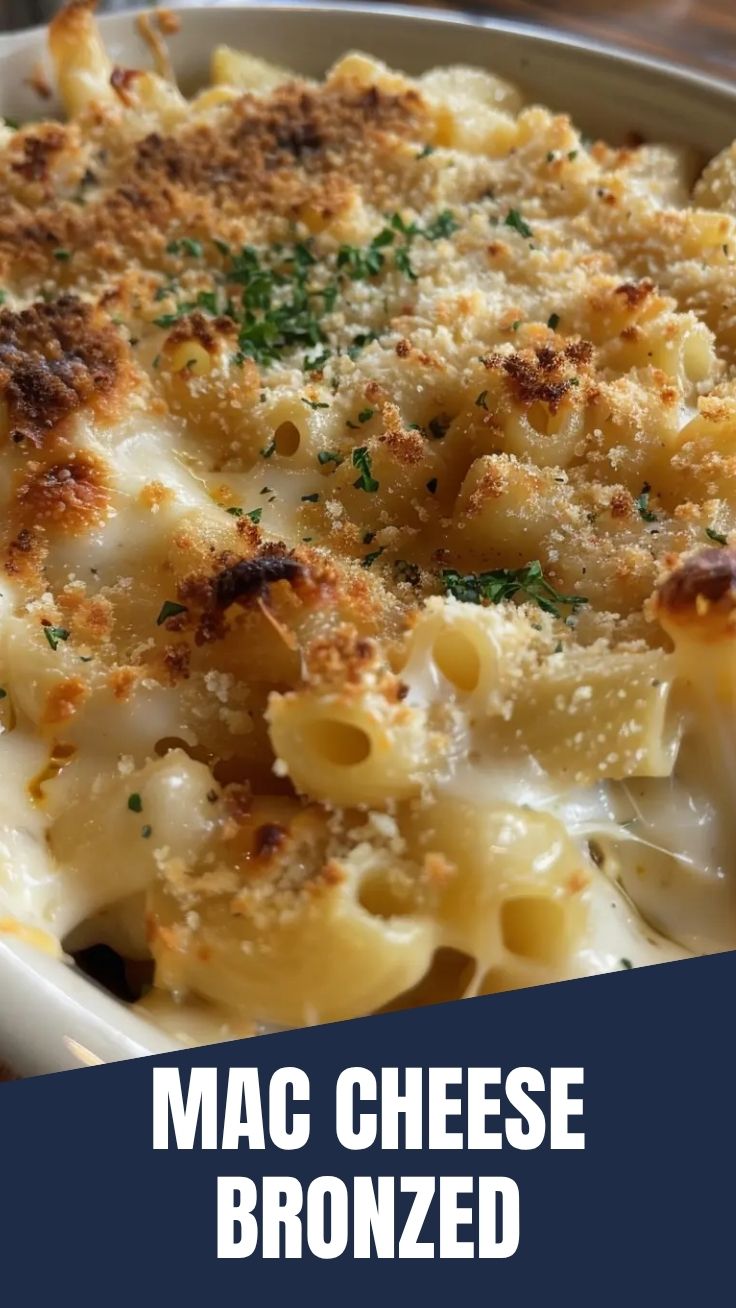
Planning ahead ensures a smooth and enjoyable cooking experience. This recipe is perfect for a comforting weeknight meal or a special weekend treat.
- Prep Time: 20 minutes (shredding cheese, gathering ingredients)
- Cook Time: 30 minutes (pasta, sauce, baking)
- Resting Time: 10 minutes (after baking, allows the sauce to set)
This recipe can be assembled in advance and refrigerated, making it an excellent meal prep option for busy days. Just allow it to come to room temperature before baking, and add an extra 10-15 minutes to the baking time.
Step-by-Step Instructions
Follow these detailed steps to create your perfect Baked Mac and Cheese:
1. Preheat Oven & Prep Pasta: Preheat your oven to 375°F (190°C). Bring a large pot of generously salted water to a rolling boil. Add the elbow macaroni and cook according to package directions, al dente (a minute or two less than specified). Drain thoroughly and set aside. Tip: Al dente pasta will continue to cook in the oven, preventing it from becoming mushy.
2. Make the Roux: In a large Dutch oven or heavy-bottomed pot, melt ½ cup unsalted butter over medium heat. Once melted, gradually whisk in the ½ cup all-purpose flour. Cook, stirring constantly for 1-2 minutes, until a pale golden paste forms. This is your roux, the base for your creamy sauce.
3. Build the Béchamel: Slowly whisk in the 4 cups whole milk and 2 cups half and half (if using). Continue whisking constantly to prevent lumps. Bring the mixture to a gentle simmer, stirring frequently, until the sauce thickens enough to coat the back of a spoon, about 5-7 minutes.
4. Add the Cheese: Remove the pot from the heat. Gradually add the 4 cups shredded sharp Cheddar cheese, 1 cup Gruyère (if using), and half of the ½ cup grated Parmesan cheese, stirring constantly until all the cheese is completely melted and the sauce is smooth and luxurious. Stir in the Dijon mustard, grated nutmeg, salt, and black pepper to taste. Taste and adjust seasonings here – remember the cheese is salty, so add salt incrementally.
5. Combine Pasta & Sauce: Add the drained cooked macaroni to the cheese sauce. Stir gently until the pasta is evenly coated with the rich sauce.
6. Assemble & Top: Pour the macaroni and cheese mixture into your prepared 9×13 inch baking dish. In a small bowl, combine the 1 cup Panko breadcrumbs with the 2 tbsp melted butter and the remaining Parmesan cheese. Sprinkle this mixture evenly over the top of the macaroni and cheese.
7. Bake to Golden Perfection: Bake for 20-25 minutes, or until the sauce is bubbly and the topping is golden brown and crispy.
8. Rest & Serve: Remove from the oven and let rest for 10 minutes before serving. This allows the sauce to set, preventing a runny dish.
Nutritional Benefits & Advantages
Homemade Baked Mac and Cheese, when prepared with whole ingredients, offers more than just comfort. The use of whole milk and high-quality Cheddar cheese provides significant amounts of calcium and protein, essential for bone health and muscle repair. While it’s certainly an indulgent dish, making it from scratch allows you to avoid the excessive sodium and artificial additives often found in store-bought versions. You also control the fat content by opting for different milk or cheese varieties, though for true indulgence, full-fat is recommended minimally. Whole grains can be incorporated by using whole wheat pasta for added fiber.
Tips, Variations & Cooking Advice
- Cheese Blend Power: Don’t be afraid to experiment with your cheese! A blend of Gruyère, Fontina, Colby, or Monterey Jack can add incredible depth and melt. Smoked Gouda is fantastic for a smoky twist.
- Spice it Up: Add a pinch of cayenne pepper or a dash of hot sauce to the cheese sauce for a subtle kick.
- Protein Boost: Stir in cooked, shredded chicken, crispy bacon bits, or sautéed shrimp for a heartier meal.
- Vegetable Inclusions: Roasted broccoli, spinach (sautéed and squeezed dry), or caramelized onions can add nutrition and flavor.
- Gluten-Free: Use your favorite gluten-free pasta and a gluten-free all-purpose flour blend for the roux.
- Dairy-Free (Challenging but Possible!): Several plant-based milks (unsweetened, unflavored) and vegan cheese alternatives exist. However, the texture and flavor will be different from the traditional recipe.
- Creamier Sauce: For an even silkier sauce, consider adding a touch of cream cheese to the béchamel along with the shredded cheeses.
Common Mistakes to Avoid
- Overcooking the Pasta: Mushy pasta is an absolute no-go. Cook it al dente as it will soften further in the oven.
- Lumpy Sauce: Whisking constantly when adding flour to butter and milk to the roux is crucial for a smooth béchamel. Add liquids gradually.
- Skipping Freshly Shredded Cheese: Pre-shredded cheeses often contain anti-caking agents that can make your sauce gritty or less smooth. Fresh is always best.
- Over-Salting: Taste the sauce before adding the pasta. Remember that cheese is inherently salty, so season gradually.
- Not Letting it Rest: Cutting into the casserole immediately after baking can result in a runny dish. A 10-minute rest allows the sauce to thicken and set.
- Dry Topping: Ensure the breadcrumbs are tossed with melted butter for that desirable golden, crispy crunch.
Storage & Meal Prep Tips
- Refrigeration: Leftover Baked Mac and Cheese can be stored in an airtight container in the refrigerator for up to 3-4 days.
- Freezing: For longer storage, portion out cooled mac and cheese into freezer-safe containers or foil pans. It can be frozen for up to 2-3 months. Thaw overnight in the refrigerator before reheating.
- Reheating: To reheat, cover with foil and bake at 350°F (175°C) until heated through, approximately 20-30 minutes for individual portions, or longer for a full casserole. You can also microwave individual servings, adding a splash of milk or cream to revive the sauce if it seems dry. Adding a fresh sprinkle of Cheddar cheese before reheating can also bring back that cheesy goodness.
- Meal Prep: Assemble the entire casserole (up to the baking step), cover tightly with plastic wrap and foil, and refrigerate for up to 2 days. Allow it to come to room temperature for about 30 minutes before baking, and add 10-15 minutes to the baking time.
Conclusion
Crafting the perfect homemade Baked Mac and Cheese is a culinary journey that rewards you with an unparalleled comfort food experience. By following these steps and embracing the nuances of flavor and texture, you’ve unlocked the secrets to a truly exceptional dish. The velvety sauce, the perfectly cooked pasta, and the sharp, creamy Cheddar cheese blend harmoniously to create a meal that evokes warmth and satisfaction. Don’t hesitate to personalize this recipe – experiment with different cheeses, add your favorite proteins or vegetables, and make it your own. We encourage you to try this recipe, share your delicious results in the comments below, and explore our other comforting recipes designed to elevate your home cooking!
FAQs
Q1: Can I use different types of pasta for baked mac and cheese?
A1: Absolutely! While elbow macaroni is classic, cavatappi, shell pasta, penne, or even rotini work wonderfully, as their shapes hold the cheesy sauce well.
Q2: My cheese sauce is lumpy. What went wrong?
A2: Lumps often occur if the flour isn’t fully cooked into the butter for the roux, or if the milk is added too quickly without constant whisking. To fix it, you can sometimes pass the sauce through a fine-mesh sieve, but prevention is key: whisk continuously and add liquids gradually.
Q3: How can I make my baked mac and cheese extra creamy?
A3: Using whole milk and half-and-half, incorporating a touch of cream cheese into the sauce, and ensuring you don’t overbake are all excellent ways to achieve maximum creaminess. A resting period after baking also helps the sauce set beautifully.
Q4: Can I freeze baked mac and cheese?
A4: Yes, you can! Fully assembled and baked mac and cheese freezes well. Cool it completely, cover tightly or portion into freezer-safe containers, and freeze for up to 2-3 months. Thaw in the refrigerator overnight before reheating.
Q5: What are some good variations for the cheese blend?
A5: Beyond sharp Cheddar cheese, popular additions include Gruyère for nuttiness, Fontina or Monterey Jack for stretchiness and mildness, smoked Gouda for a distinctive flavor, or a touch of Parmesan for an umami kick. Experiment to find your perfect combination!