The Ultimate Homemade Tomato Soup: A Culinary Journey from Scratch
Have you ever savored a bowl of Tomato Soup that tasted so fresh, so vibrant, it transported you straight to a sun-drenched Italian garden? While the convenience of Canned Tomato Soup is undeniable, the satisfaction of crafting this comfort classic from scratch is an experience every home cook deserves. Beyond the unparalleled flavor, preparing your own Tomato Soup allows for complete control over ingredients, ensuring a wholesome, delicious, and deeply satisfying meal free from unwanted additives. This isn’t just about cooking; it’s about elevating a simple dish into an art form, creating a culinary masterpiece right in your kitchen.
Ingredients & Kitchen Tools
Here’s everything you’ll need to create this comforting classic:
- Ripe Tomatoes (2.5 lbs): Choose San Marzano, Roma, or any vine-ripened, firm tomatoes for the best flavor. These varieties have less water content and more flesh, ideal for a rich soup.
- Onion (1 large): A yellow or white onion provides a sweet, aromatic base.
- Garlic Cloves (4-5): Freshly minced garlic is crucial for depth of flavor.
- Vegetable Broth (4 cups): Low-sodium is preferred to control seasoning. Homemade or a good quality store-bought broth works.
- Olive Oil (2 tbsp): Extra virgin for sautéing.
- Heavy Cream (1/2 cup): Adds richness and a velvety texture. Can be substituted with coconut milk for a dairy-free option.
- Fresh Basil (1/4 cup chopped): Essential for that classic tomato and basil pairing.
- Sugar (1 tsp): Balances the acidity of the tomatoes. Adjust to taste.
- Salt & Black Pepper: To taste, for seasoning throughout.
- Optional: Red Pepper Flakes (1/4 tsp): For a subtle kick.
Kitchen Tools:
- Large Pot or Dutch Oven: For sautéing and simmering.
- Immersion Blender or Regular Blender: To achieve a smooth, creamy texture. An immersion blender is less messy.
- Cutting Board & Sharp Knife: For prepping vegetables.
- Measuring Cups & Spoons: For accurate ingredient ratios.
- Spatula or Wooden Spoon: For stirring.
Prep Time & Cooking Schedule
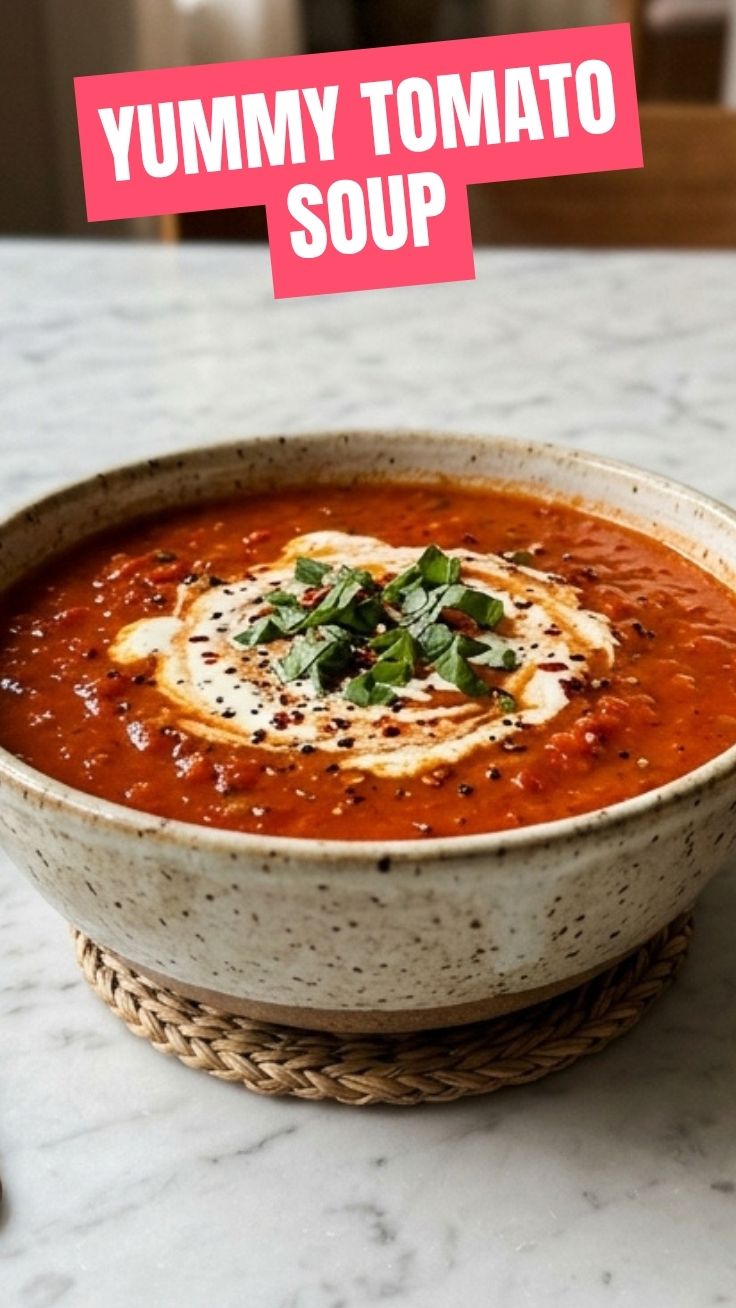
Crafting this delightful soup requires a bit of patience, but the hands-on time is minimal.
- Prep time: 15 minutes (chopping vegetables)
- Cook time: 45-50 minutes (sautéing, simmering, blending)
- Resting time: 5 minutes (before serving to allow flavors to meld)
Total estimated time: Approximately 1 hour. This schedule allows for a relaxed cooking experience, perfect for a weeknight meal or a leisurely Sunday lunch.
Step-by-Step Instructions
1. Prepare the Aromatics: Heat olive oil in a large pot or Dutch oven over medium heat. Add the chopped onion and sauté for 5-7 minutes until softened and translucent, stirring occasionally. Add the minced garlic and red pepper flakes (if using) and cook for another minute until fragrant, being careful not to burn the garlic.
2. Add Tomatoes and Simmer: Roughly chop your fresh tomatoes and add them to the pot. Stir in the vegetable broth, sugar, salt, and pepper. Bring the mixture to a gentle boil, then reduce heat to low, cover, and let it simmer for 30-35 minutes. This slow simmer allows the flavors to deepen and the tomatoes to break down, forming the rich base for your Tomato Soup.
3. Blend to Perfection: Remove the pot from the heat. Using an immersion blender, carefully blend the soup directly in the pot until it reaches your desired smoothness. Alternatively, transfer the soup in batches to a regular blender (exercise caution when blending hot liquids – fill only halfway and vent the lid). Blend until silky smooth.
4. Finish and Serve: Return the blended soup to the stove over low heat. Stir in the heavy cream and fresh basil. Cook for another 2-3 minutes, just until heated through, but do not allow it to boil. Taste and adjust seasoning as needed. The contrast between homemade and Canned Tomato Soup is stark at this stage, with fresh basil and cream adding unparalleled freshness.
Nutritional Benefits & Advantages
This homemade Tomato Soup is packed with goodness. Tomatoes are an excellent source of Vitamin C, a powerful antioxidant that supports immune health, and Vitamin K, crucial for blood clotting. They also contain lycopene, another potent antioxidant linked to heart health and cancer prevention. The fiber in tomatoes aids digestion, and the fresh ingredients ensure you’re consuming a nutrient-dense meal without the high sodium and preservatives often found in store-bought alternatives.
Tips Variations & Cooking Advice
- Roast Your Tomatoes: For an even deeper, more concentrated flavor, roast your tomatoes with a drizzle of olive oil, salt, and pepper at 400°F (200°C) for 20-30 minutes before adding them to the pot.
- Herb Variations: Experiment with other fresh herbs like oregano or thyme. A sprig of rosemary ties gorgeously with roasted tomatoes.
- Dairy-Free: Substitute heavy cream with full-fat coconut milk or a plant-based unsweetened cream for a luscious, dairy-free version.
- Spicy Kick: Increase the red pepper flakes or add a pinch of cayenne pepper for more heat.
- Thicker Soup: If you prefer a thicker consistency, let the soup simmer uncovered for a bit longer to reduce.
- Smoky Flavor: A tiny pinch of smoked paprika can add a wonderful, subtle smoky note.
Common Mistakes to Avoid
- Not Sautéing Aromatics Enough: Rushing this step will result in a less flavorful soup. Ensure onions are translucent and garlic is fragrant.
- Over-Boiling After Adding Cream: High heat can cause the cream to curdle. Always add cream at the end and gently heat through.
- Skipping the Sugar: Tomatoes can be acidic. A touch of sugar (or a carrot) balances this acidity, enhancing the overall flavor.
- Not Adjusting Seasoning: Always taste and adjust salt and pepper at the end. Flavors can change as the soup cooks.
- Blending Too Hot: If using a regular blender, allow the soup to cool slightly or blend in small, vented batches to prevent a dangerous build-up of steam.
Storage & Meal Prep Tips
Leftover Tomato Soup stores beautifully, making it perfect for meal prep.
- Refrigeration: Store in an airtight container in the refrigerator for up to 3-4 days.
- Freezing: This soup freezes exceptionally well. Allow it to cool completely, then transfer to freezer-safe containers or bags, leaving some headspace for expansion. It can be frozen for up to 3 months.
- Reheating: Thaw frozen soup in the refrigerator overnight or gently reheat on the stovetop over low heat, stirring occasionally. Add a splash of broth or water if it’s too thick. For best results, don’t boil when reheating.
Conclusion
Creating your own homemade Tomato Soup is a rewarding experience, transforming simple ingredients into a deeply satisfying and nutritious meal. The vibrant flavors, smooth texture, and the sheer joy of cooking from scratch far surpass the convenience of any Canned Tomato Soup. We encourage you to embark on this culinary journey, personalize it to your taste, and share the delicious results with your loved ones. Let us know in the comments below how your homemade rendition turned out!
FAQs
- Can I use canned tomatoes instead of fresh? Yes, absolutely! Use high-quality canned whole peeled tomatoes (like San Marzano). Drain them slightly and proceed with the recipe. This is a great alternative when fresh tomatoes aren’t in season.
- How can I make this soup thicker without cream? You can mash a cooked potato into the soup or add a tablespoon of tomato paste for a more concentrated tomato flavor and thicker consistency.
- What can I serve with this soup? A classic grilled cheese sandwich is a perfect pairing! Crusty bread, a fresh salad, or a dollop of pesto are also excellent accompaniments.
- Is it necessary to remove tomato skins or seeds? For a truly silky smooth soup, some prefer to blanch and peel fresh tomatoes, or run the finished soup through a fine-mesh sieve. However, modern blenders are powerful enough to pulverize skins and seeds, which also adds fiber.
- My soup tastes too acidic, what can I do? Apart from adding sugar, you can also stir in a small amount of baking soda (about 1/4 teaspoon at a time) to neutralize acidity. Be careful, as it can cause fizzing. Alternatively, a small grated carrot adds natural sweetness.