Unlock the Secret to Perfectly Crisp and Flavorful Roasted Asparagus Every Time!
Tired of soggy, bland asparagus? What if I told you there’s a simple, foolproof method to transform this humble vegetable into a culinary masterpiece? Preparing Roasted Asparagus at home isn’t just about saving money; it’s about unlocking a vibrant, tender-crisp side dish that elevates any meal. Forget complicated techniques – this recipe focuses on simplicity and maximizing flavor, making it a go-to for busy weeknights and special occasions alike. Whether you’re a seasoned home cook or just starting your culinary journey, mastering roasted asparagus is a game-changer, and we’ll show you exactly how to achieve perfection.
Ingredients & Kitchen Tools
Here’s what you’ll need to create this delectable dish, along with some helpful tips:
- Fresh Asparagus (1 bunch, about 1 pound): Look for firm, bright green stalks with closed, compact tips. Thicker spears tend to be more tender when roasted.
- Olive Oil (2 tablespoons): Extra virgin olive oil adds rich flavor and helps the asparagus brown beautifully.
- Garlic Powder (1/2 teaspoon): Milder than fresh garlic, it infuses a subtle savory note without the risk of burning.
- Salt (1/2 teaspoon, or to taste): Kosher or sea salt works best. Adjust based on your preference.
- Black Pepper (1/4 teaspoon, freshly ground): Adds a touch of warmth and spice.
- Lemon Wedges (optional, for serving): A squeeze of fresh lemon juice brightens the flavors immensely.
- Baking Sheet: A large, sturdy baking sheet ensures ample space for even roasting.
- Parchment Paper or Silicone Mat (optional): Prevents sticking and makes cleanup a breeze.
- Large Bowl: For tossing the asparagus with oil and seasonings.
- Tongs: Useful for tossing and serving.
Prep Time & Cooking Schedule
- Prep Time: 5-7 minutes (This includes trimming the woody ends!)
- Cook Time: 10-15 minutes (Dependent on spear thickness and desired crispness)
- Total Time: 15-22 minutes
This recipe is designed for quick preparation, making it an ideal last-minute addition to any dinner. Plan to start your asparagus roasting just as your main course is finishing up, ensuring a hot, fresh side dish. There’s no marinating or resting time needed, so you can go from prep to plate in under half an hour!
Step-by-Step Instructions
Achieving perfectly tender-crisp Roasted Asparagus is all about high heat and minimal fuss. Follow these steps for an irresistible result:
1. Preheat Your Oven: Preheat your oven to 400°F (200°C). This high temperature is crucial for achieving that desirable tender-crisp texture.
2. Prepare the Asparagus: Wash the asparagus under cool running water. Pat it dry thoroughly with a clean kitchen towel. Next, generously trim the woody ends. A simple trick is to hold a spear with both hands and bend it; it will naturally snap where the tender part begins. Discard the woody ends.
3. Season the Asparagus: In a large bowl, combine the trimmed asparagus spears with olive oil, garlic powder, salt, and black pepper. Use your hands or tongs to toss thoroughly, ensuring each spear is lightly coated with the oil and seasonings. Even coating is key for even roasting and flavor distribution.
4. Arrange on Baking Sheet: Spread the seasoned asparagus in a single layer on your baking sheet. Avoid overcrowding, as this will steam the asparagus instead of roasting it. If necessary, use two baking sheets.
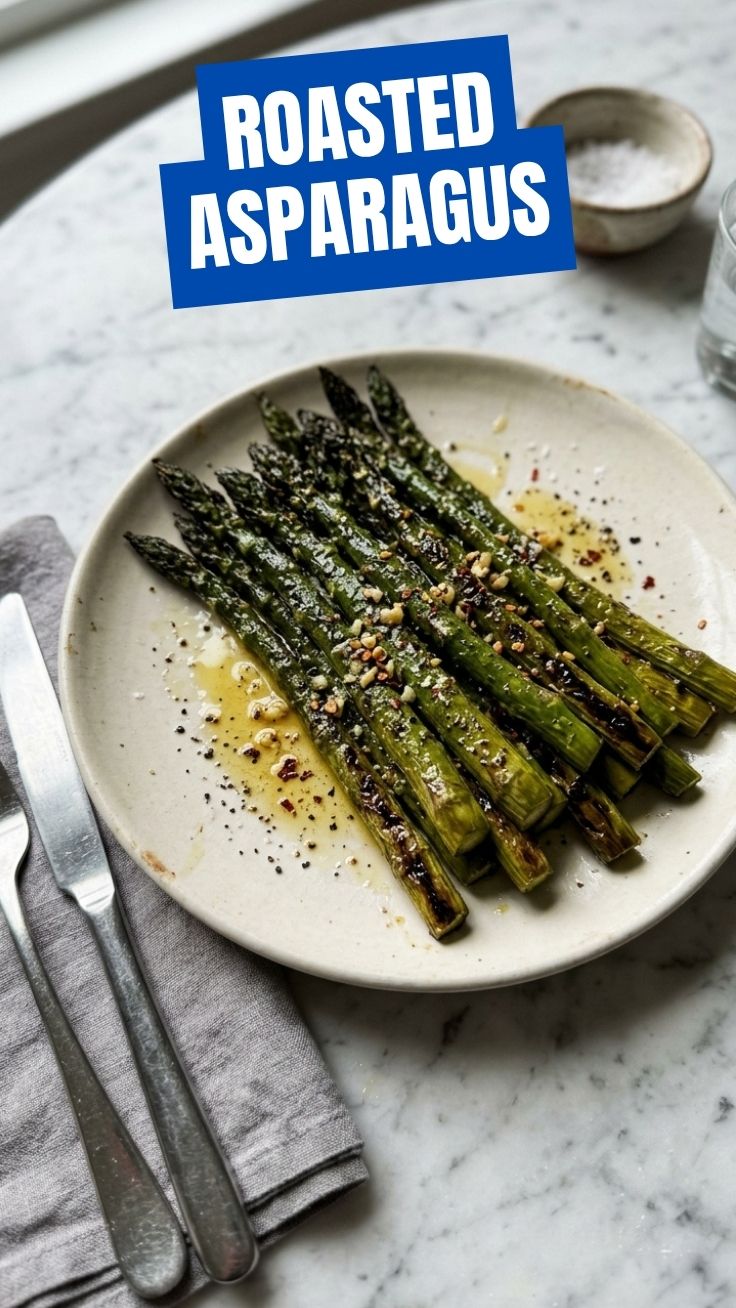
5. Roast to Perfection: Place the baking sheet in the preheated oven and roast for 10-15 minutes. The cooking time will vary based on the thickness of your asparagus spears. For thinner spears, 10 minutes might be sufficient; thicker spears may need up to 15 minutes. Look for bright green asparagus that is tender-crisp and slightly browned at the tips.
6. Serve & Garnish (Optional): Remove from the oven and serve immediately. A squeeze of fresh lemon juice over the hot asparagus before serving will brighten the flavors and add a zesty finish. Pair this with your favorite main dishes, or explore other fantastic Asparagus recipes!
Nutritional Benefits & Advantages
Asparagus is a nutritional powerhouse! It’s an excellent source of vitamins K, A, C, and E, as well as folate and fiber. These nutrients contribute to bone health, immune function, and digestive wellness. It’s also low in calories and packed with antioxidants, making it a fantastic addition to any health-conscious diet. Roasting, in particular, helps to caramelize the natural sugars in the asparagus, enhancing its flavor without adding unhealthy fats.
Tips, Variations & Cooking Advice
- Flavor Boosts: Experiment with a sprinkle of red pepper flakes for a subtle kick, a dusting of Parmesan cheese in the last few minutes of roasting, or a drizzle of balsamic glaze after cooking.
- Thicker vs. Thinner Spears: Adjust cooking time accordingly. Thicker spears will require more time, while thinner ones cook faster.
- Alternative Cooking Methods: While roasting is preferred for its texture, grilling delivers a lovely smoky flavor. Sautéing can also work for a quicker cook, though the texture will be slightly different.
- Dietary Adaptations: This recipe is naturally gluten-free, dairy-free, and vegan, making it suitable for a wide range of dietary needs.
Common Mistakes to Avoid
1. Overcrowding the Pan: This is the biggest culprit for soggy asparagus. Give your spears space to roast properly.
2. Undercooking/Overcooking: Asparagus should be tender-crisp, not raw and stiff, nor mushy and limp. Keep an eye on it during the last few minutes.
3. Not Drying the Asparagus: Moisture prevents proper browning. Always pat your asparagus dry.
4. Low Oven Temperature: A high temperature is essential for that perfect roasted texture. Don’t be tempted to lower it.
Storage & Meal Prep Tips
Leftover roasted asparagus can be stored in an airtight container in the refrigerator for up to 3-4 days. While it won’t retain its crispness reheating, it’s still delicious added to salads, pasta dishes, or frittatas. To reheat, gently warm in a microwave or a skillet over medium heat until just heated through to prevent it from becoming mushy. Freezing is not recommended as it significantly alters the texture.
Conclusion
There you have it – the ultimate guide to perfectly crisp and flavorful Roasted Asparagus. This simple yet elegant side dish is not only incredibly easy to prepare but also packed with nutrients, making it a winner for any meal. We encourage you to try this recipe tonight and experience the joy of truly delicious roasted vegetables. Don’t stop there; share your results with us in the comments, and be sure to explore other inspiring Asparagus recipes to expand your culinary repertoire! Happy roasting!
FAQs
Q1: How do I know when asparagus is perfectly roasted?
A1: Perfectly roasted asparagus will be bright green, slightly tender-crisp when bitten, and may have lightly browned or charred tips. It should not be soft or limp.
Q2: Can I use different seasonings for roasted asparagus?
A2: Absolutely! Feel free to experiment with herbs like dried thyme or rosemary, a pinch of onion powder, or even a dash of everything bagel seasoning for a unique twist.
Q3: My asparagus is soggy. What went wrong?
A3: The most common reasons for soggy asparagus are overcrowding the baking sheet, using too low an oven temperature, or not adequately drying the spears before tossing with oil. Ensure all asparagus is in a single layer and your oven is hot!
Q4: Can I roast frozen asparagus?
A4: While you can roast frozen asparagus, the texture will be softer and less crisp than fresh asparagus due to the water content. If using frozen, do not thaw; roast directly from frozen, adding an extra 5-10 minutes to the cooking time.