Master the Grill: Unlock the Secrets to Perfect Grilled Salmon
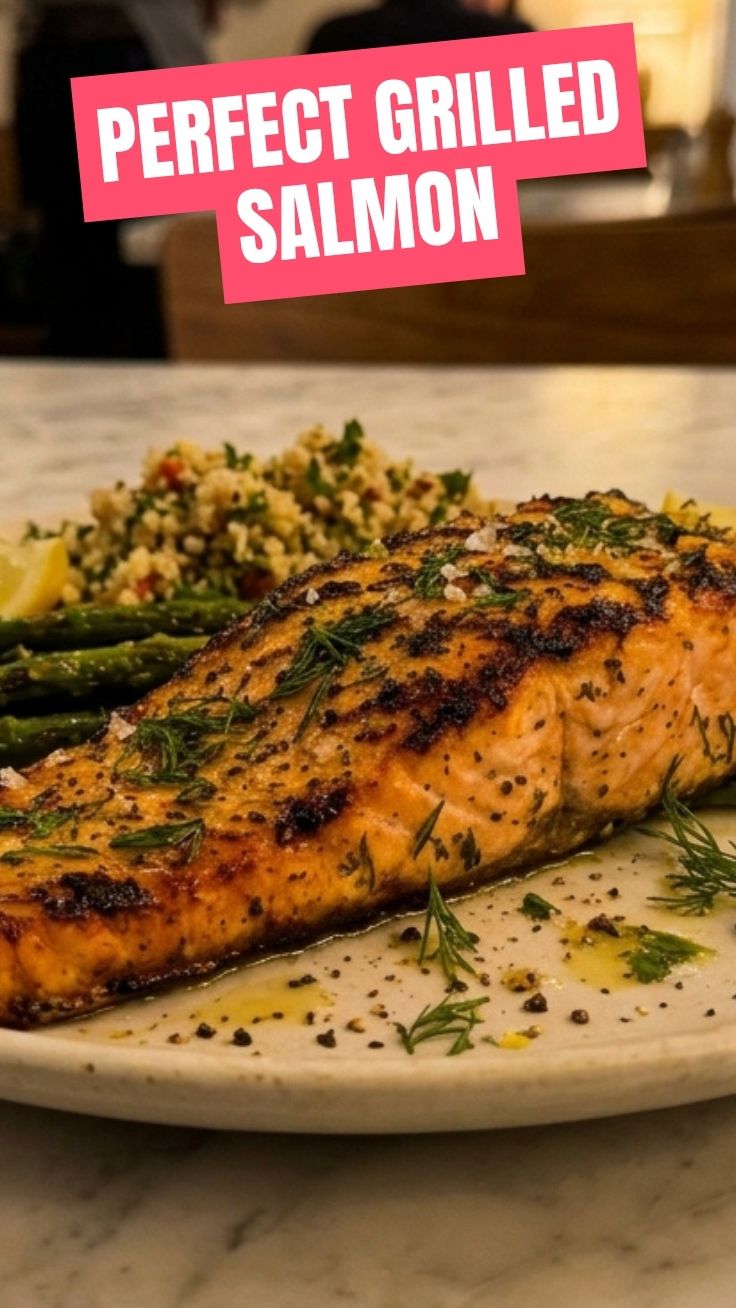
Are you ready to elevate your home cooking and impress your loved ones with a dish that’s both healthy and incredibly delicious? Preparing a mouthwatering Grilled Salmon at home isn’t just about saving money; it’s about crafting an exquisite meal tailored to your tastes, ensuring fresh, high-quality ingredients, and mastering a culinary skill that will serve you for years to come. One of the greatest secrets to achieving that perfect flaky texture and rich flavor in Grilled Salmon lies in a well-balanced Salmon marinade. This guide will walk you through every step, from selecting the finest fish to achieving that coveted smoky char, ensuring your grilled salmon is a triumph every time.
Ingredients & Kitchen Tools
To embark on your grilled salmon journey, gather the following:
Ingredients:
- Salmon Fillets (4 x 6oz/170g portions): Opt for skin-on, wild-caught salmon for best flavor and Omega-3 content. Individual portions are easier to handle.
- Olive Oil (2 tbsp): Extra virgin for flavor, or regular for a higher smoke point.
- Lemon (1 large): Freshly squeezed juice and zest are crucial for brightness.
- Garlic (3 cloves): Minced or grated for aromatic depth.
- Fresh Dill (2 tbsp, chopped): The classic herb pairing for salmon, adds a fresh, herbaceous note.
- Brown Sugar or Maple Syrup (1 tsp – optional): Balances acidity in the Salmon marinade and helps with caramelization.
- Salt (to taste): Kosher or sea salt is preferred.
- Black Pepper (to taste): Freshly ground for best aroma.
Substitutions:
- Herbs: Thyme, parsley, or chives can substitute dill.
- Acids: Lime or orange juice instead of lemon for a different citrus profile.
- Sweetener: Honey can replace brown sugar or maple syrup.
Kitchen Tools:
- Grill (Gas or Charcoal): Essential for that smoky flavor and char.
- Mixing Bowl: For preparing the Salmon marinade.
- Whisk or Fork: To combine marinade ingredients.
- Tongs/Spatula: For flipping and handling the salmon on the grill. A fish spatula is ideal.
- Small Plate/Tray: For resting the salmon after grilling.
- Pastry Brush (optional): For basting the salmon with residual marinade.
- Meat Thermometer: Ensures salmon is cooked to perfection (internal temp 145°F/63°C).
Prep Time & Cooking Schedule
- Prep Time: 15 minutes
- Marinating Time: 30 minutes (minimum) to 2 hours (maximum). Do not over-marinate, especially with acidic ingredients, as it can “cook” the fish.
- Grill Preheat Time: 10-15 minutes
- Cook Time: 8-12 minutes, depending on thickness and desired doneness.
- Resting Time: 5 minutes
Planning is key for a seamless grilling experience. Start marinating your salmon while your grill preheats to save time.
Step-by-Step Instructions
1. Prepare the Salmon marinade: In a mixing bowl, whisk together the olive oil, lemon juice, lemon zest, minced garlic, chopped dill, brown sugar (if using), salt, and black pepper.
2. Marinate the Salmon: Pat the salmon fillets dry with paper towels. Place them in a shallow dish or a resealable plastic bag. Pour the marinade over the salmon, ensuring all sides are coated. Cover and refrigerate for 30 minutes to 2 hours.
3. Preheat the Grill: While the salmon marinates, preheat your grill to medium-high heat (375-400°F / 190-200°C). Clean the grill grates thoroughly with a wire brush. Once clean, lightly oil the grates to prevent sticking.
4. Grill the Grilled Salmon: Remove salmon from the marinade, letting any excess drip off. Place the salmon fillets skin-side down on the hot, oiled grill grates. Close the lid.
* Cooking Tip: For beautiful grill marks, avoid moving the salmon for the first 4-5 minutes.
5. Flip and Finish: Cook for 4-6 minutes on the first side. Gently flip the salmon using a wide fish spatula. If the skin sticks, it may need a bit more time to crisp up before it releases easily. Continue grilling for another 4-6 minutes, or until the internal temperature reaches 145°F (63°C) and the flesh is opaque and flakes easily with a fork.
6. Rest and Serve: Carefully transfer the cooked salmon to a clean plate or cutting board. Tent loosely with foil and let rest for 5 minutes. This allows the juices to redistribute, resulting in a more tender and flavorful fillet.
Nutritional Benefits & Advantages
Salmon is a nutritional powerhouse! It’s an excellent source of high-quality protein, providing essential amino acids for muscle repair and growth. Rich in Omega-3 fatty acids (EPA and DHA), salmon supports heart health, reduces inflammation, and boosts brain function. It also delivers a healthy dose of Vitamin D, B vitamins (especially B12), and minerals like selenium and potassium. Grilling is a lean cooking method that requires minimal added fats, making this recipe a fantastic choice for those focusing on a healthy, balanced diet.
Tips, Variations & Cooking Advice
- Flavor Boosts: Add a pinch of smoked paprika or a dash of cayenne pepper to the Salmon marinade for extra depth.
- Alternative Cooking: No grill? No problem! Bake the salmon at 400°F (200°C) for 12-15 minutes, or pan-sear for 4-5 minutes per side.
- Garnishes: A sprinkle of fresh parsley, chives, or an extra lemon wedge brightens the dish.
- Serving Suggestions: Serve with a fresh green salad, roasted asparagus, quinoa, or garlic mashed potatoes.
- Portion Control: A 6oz (170g) portion is generally recommended per person.
- Dietary Adaptations: This recipe is naturally gluten-free and dairy-free.
Common Mistakes to Avoid
- Overcooking: This is the most common mistake. Salmon dries out quickly. Use a meat thermometer to ensure perfect doneness (145°F / 63°C).
- Not Drying the Salmon: Patting the salmon dry before marinating and grilling helps absorb flavor and promotes better searing and crispier skin.
- Low Grill Heat: If your grill isn’t hot enough, the salmon will stick and struggle to get those desirable grill marks.
- Flipping Too Early: Let the salmon form a crust before attempting to flip; it will release from the grates more easily.
- Too Much Marinade: Don’t let your salmon sit in an acidic marinade for more than 2 hours, as it can start to “cook” the fish, altering its texture.
Storage & Meal Prep Tips
Leftover Grilled Salmon can be stored in an airtight container in the refrigerator for up to 3-4 days. It’s delicious cold in salads, flaked into wraps, or gently reheated. To reheat, microwave on low power in short bursts, or warm in an oven at 275°F (135°C) until just heated through to prevent drying out. Freezing is generally not recommended for cooked salmon, as it can alter the texture.
Conclusion
Mastering a perfectly prepared Grilled Salmon at home is a culinary achievement that’s both rewarding and surprisingly simple. By paying attention to detail, from crafting an aromatic Salmon marinade to precise grilling times, you can consistently achieve a flaky, flavorful result that rivals any restaurant. Don’t be afraid to experiment with different herbs and spices in your marinade to truly make this recipe your own. Give this recipe a try and share your results – your taste buds (and your family) will thank you!
FAQs
Q1: How do I know when my salmon is fully cooked?
A1: The best way is to use a meat thermometer. Salmon is cooked when its internal temperature reaches 145°F (63°C). The flesh will also turn opaque and easily flake with a fork.
Q2: Can I use frozen salmon for this recipe?
A2: Yes, but ensure it’s completely thawed in the refrigerator overnight before marinating and grilling. Pat it very dry before applying the marinade.
Q3: What can I do if my salmon keeps sticking to the grill?
A3: Ensure your grill grates are clean and hot, and lightly oil them before placing the salmon. Don’t flip the salmon too soon; let it develop a crust for 4-5 minutes on the first side, and it should release more easily.
Q4: Can I prepare the Salmon marinade in advance?
A4: Yes, you can prepare the marinade up to 24 hours in advance and store it in an airtight container in the refrigerator. Add the salmon to the marinade for 30 minutes to 2 hours just before grilling.
Q5: What are good side dishes to pair with Grilled Salmon?
A5: Roasted asparagus, steamed green beans, a simple garden salad, quinoa, couscous, or a light lemon-herb rice pilaf are all excellent choices.