Unlock the Ultimate Comfort: The Secret to the Perfect Homemade Grilled Cheese and Tomato Soup Duo
Could anything be more comforting than a warm, gooey Grilled Cheese paired with a steaming bowl of rich tomato soup? This classic combination isn’t just a meal; it’s an experience, a nostalgic trip back to simpler times, and an instant mood booster. While often perceived as a simple dish, mastering the art of a truly perfect homemade grilled cheese takes a few insider tricks that elevate it from good to absolutely sublime. Preparing this dish at home isn’t just about saving money; it’s about controlling the quality of your ingredients, customizing flavors to your exact preference, and creating a truly satisfying meal that store-bought versions simply can’t replicate. Forget those lackluster, soggy sandwiches; today, we’re diving deep into crafting the ideal sandwich recipes that will become your new go-to.
Ingredients & Kitchen Tools
Crafting the perfect Grilled Cheese requires a thoughtful selection of ingredients and the right tools.
- Bread (2 slices per sandwich): Sourdough, white sandwich bread, or challah work best. Sourdough offers a tangy crunch, while white bread gives that classic diner feel.
- Cheese (2-3 slices per sandwich): A blend of sharp cheddar (for flavor), Gruyère (for nuttiness), and Monterey Jack (for meltiness) is ideal. Pre-shredded cheese also works but can contain anti-caking agents that hinder melt.
- Butter (1-2 tablespoons per sandwich): High-quality unsalted butter is crucial. It provides flavor and helps achieve that golden-brown crust. Clarified butter or mayonnaise are also excellent alternatives for crispiness.
- Optional Flavor Enhancers:
* Garlic powder: A pinch mixed with butter adds a subtle savory note.
* Dijon mustard: A thin smear on one slice of bread before adding cheese can create a delightful tang.
* Mayonnaise: Can be spread on the outside of the bread instead of butter for an incredibly crispy, golden crust.
- Heavy-bottomed skillet or cast iron pan: Essential for even heat distribution and achieving a uniform golden crust.
- Spatula: For flipping and pressing the sandwich.
- Cutting board and knife: For slicing once cooked.
Prep Time & Cooking Schedule
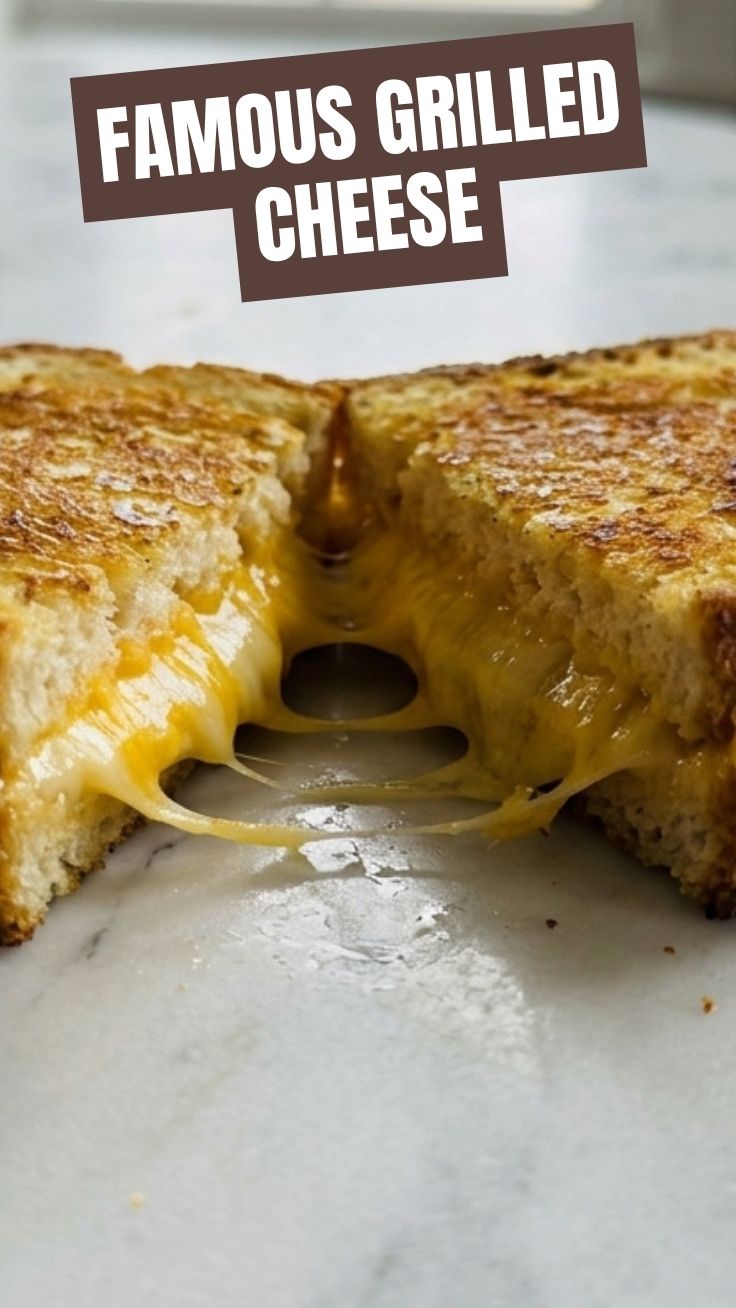
The beauty of a Grilled Cheese is its quick preparation.
- Prep Time: 5 minutes (slicing cheese, buttering bread)
- Cook Time: 6-8 minutes per sandwich
- Resting Time: 1-2 minutes (allows the cheese to set slightly, preventing blowouts)
This quick turnaround makes it an ideal choice for a speedy lunch or a comforting weeknight dinner. For best results, prepare your tomato soup simultaneously so both are ready to enjoy at peak temperature.
Step-by-Step Instructions
Let’s break down the path to Grilled Cheese perfection, ensuring every bite is a symphony of flavor and texture.
1. Prepare Your Bread: Generously butter one side of each bread slice. For an extra crispy crust, you can spread a thin layer of mayonnaise on the outside instead of butter.
2. Assemble the Sandwich: Place one buttered slice of bread, butter-side down, in a cold skillet. Layer your chosen cheeses evenly over the bread. If using Dijon, spread it on the unbuttered side of the second slice before placing it on top, butter-side up. Using a mix of cheeses will enhance the melty texture and flavor profile of your sandwich recipes.
3. Heat Slowly & Evenly: Place the skillet over medium-low heat. This is crucial! Low and slow heat allows the butter to brown evenly and the cheese to melt completely without burning the bread.
4. Cook First Side: Cook for 3-4 minutes, or until the bottom slice is deeply golden brown and the cheese is starting to soften.
5. Flip & Finish: Carefully flip the sandwich using a spatula. Press down gently with the spatula to ensure full contact with the pan and help distribute heat.
6. Cook Second Side: Cook for another 3-4 minutes, or until the second side is golden brown and the cheese is oozing perfectly.
7. Rest & Serve: Transfer the grilled cheese to a cutting board. Let it rest for 1-2 minutes before slicing diagonally. Serve immediately with your favorite tomato soup.
Nutritional Benefits & Advantages
Often seen as an indulgence, a homemade Grilled Cheese can offer surprising nutritional benefits. Cheese is an excellent source of calcium, protein, and vitamin D, essential for bone health. Opting for whole-grain bread boosts fiber intake, aiding digestion and providing sustained energy. Customizing with various cheeses allows for different nutrient profiles, and pairing it with a vegetable-rich tomato soup creates a more balanced meal. Making it at home also allows you to control sodium levels and avoid artificial additives found in processed versions.
Tips Variations & Cooking Advice
- Cheese Blends: Experiment with smoked cheddar, provolone, fontina, or even a hint of blue cheese for adventurous palates.
- Add-ins: Incorporate caramelized onions, thinly sliced tomatoes, sautéed mushrooms, bacon, or a fried egg inside for a heartier sandwich.
- Herbs: A sprinkle of fresh chives or basil inside can elevate the flavor.
- Dairy-Free: Use high-quality dairy-free cheese slices and plant-based butter for a delicious dairy-free alternative.
- Gluten-Free: Opt for sturdy gluten-free bread that toasts well.
Common Mistakes to Avoid
- Heat Too High: The most common mistake! High heat burns the bread before the cheese melts, resulting in a crispy exterior and cold, hard cheese. Keep it medium-low.
- Not Enough Fat: Skimping on butter or mayo leads to a dry, less flavorful crust.
- Overcrowding the Pan: Cook one, or at most two, sandwiches at a time to ensure even heat and browning.
- Flipping Too Soon: Resist the urge! Wait until the first side is a rich golden brown before flipping.
Storage & Meal Prep Tips
While a Grilled Cheese is best enjoyed fresh, you can prep some components in advance. Shred your cheese blend and store it in an airtight container in the refrigerator for up to 3 days. Unfortunately, a fully assembled and cooked grilled cheese does not store well as it tends to get soggy upon reheating. However, leftover, cooled grilled cheese can be briefly reheated in a dry skillet over medium-low heat to recrisp, but it won’t be as good as fresh.
Conclusion
There you have it – the definitive guide to crafting the perfect, utterly irresistible Grilled Cheese. By focusing on quality ingredients, patient cooking, and avoiding common pitfalls, you can transform this humble dish into a culinary masterpiece. Whether you’re seeking nostalgic comfort or simply a delicious, satisfying meal, mastering these sandwich recipes will undoubtedly bring joy to your kitchen. We encourage you to try this recipe, experiment with your favorite cheese blends and add-ins, and share your golden-brown creations with us!
FAQs
Q1: What’s the best cheese for the ultimate melty grilled cheese?
A1: A blend is always best! Aim for cheeses that melt well like Monterey Jack or Fontina, combined with flavorful options like sharp cheddar, Gruyère, or provolone.
Q2: Can I use olive oil instead of butter?
A2: While you can, butter or mayonnaise on the outside of the bread produces a superior golden-brown crust and flavor profile for grilled cheese. Olive oil can sometimes lead to a less even browning.
Q3: My grilled cheese sometimes gets soggy. How can I prevent this?
A3: The main culprits are usually cooking at too high a heat (which traps steam) or using bread that’s too soft. Cook over medium-low heat to allow moisture to evaporate, and choose a slightly sturdier bread like sourdough or a good quality white sandwich bread.
Q4: How do I ensure even melting of the cheese?
A4: Cooking over medium-low heat is key. Also, cover the skillet with a lid for the last minute or two of cooking on each side – this traps heat and helps the cheese melt through evenly.
Q5: What’s the secret to a perfectly crispy crust?
A5: Generous application of butter or mayonnaise on the outside of the bread, cooked slowly over medium-low heat until truly golden brown, is the secret. Pressing down gently with a spatula also helps achieve maximum crust contact.