Dive into the Mediterranean: Crafting the Perfect Homemade Greek Salad!
Tired of uninspired lunches and bland side dishes? Do you crave a burst of fresh flavors that transport you to the sun-drenched shores of the Aegean? Then you’re in the right place! Learning to make a Greek Salad at home isn’t just about preparing a meal; it’s about embracing a culinary philosophy of simplicity, freshness, and vibrant taste. This guide will walk you through creating a truly authentic and delicious Greek Salad Recipe, ensuring every bite is a celebration of classic Mediterranean ingredients. Forget soggy greens and lackluster dressings – we’re about to unlock the secrets to a truly unforgettable salad experience.
Ingredients & Kitchen Tools
Gather your culinary arsenal! Here’s everything you’ll need for this delightful dish:
- Fresh Vegetables:
2 large ripe tomatoes (e.g., beefsteak or vine-ripened), coarsely chopped – for peak sweetness and juiciness.*
1 large cucumber (e.g., English or Persian), peeled partially (or not at all for more fiber) and sliced into half-moons – adds crispness and refreshing hydration.*
1 green bell pepper, deseeded and thinly sliced – for a subtle peppery crunch.*
½ red onion, thinly sliced into rings – provides a pungent kick; consider soaking in cold water for 10 minutes to mellow the flavor if preferred.*
- Olives & Feta:
½ cup Kalamata olives, pitted – essential for their briny, fruity flavor; other black olives can be substituted but Kalamatas are traditional.*
200g block of authentic Greek feta cheese, crumbled or cut into large cubes – the star of the show. Look for “Greek Feta” for superior texture and taste. Avoid pre-crumbled for best results.*
- The Dressing:
¼ cup extra virgin olive oil – use a good quality oil for the best flavor.*
2 tablespoons red wine vinegar – provides the necessary tang and acidity.*
1 teaspoon dried oregano – Mediterranean essential; use Greek oregano if possible for a more robust flavor.*
½ teaspoon sea salt, to taste – enhances all the flavors.*
¼ teaspoon freshly ground black pepper, to taste – adds a subtle warmth.*
Optional Garnish: Fresh parsley or dill, chopped – for an extra layer of freshness and visual appeal.*
- Kitchen Tools:
Large mixing bowl – for combining all ingredients.*
Sharp knife – for precise and easy vegetable chopping.*
Cutting board – protects your countertops.*
Whisk or small jar with a lid – for emulsifying the dressing.*
Serving spoons – for tossing and serving.*
Prep Time & Cooking Schedule
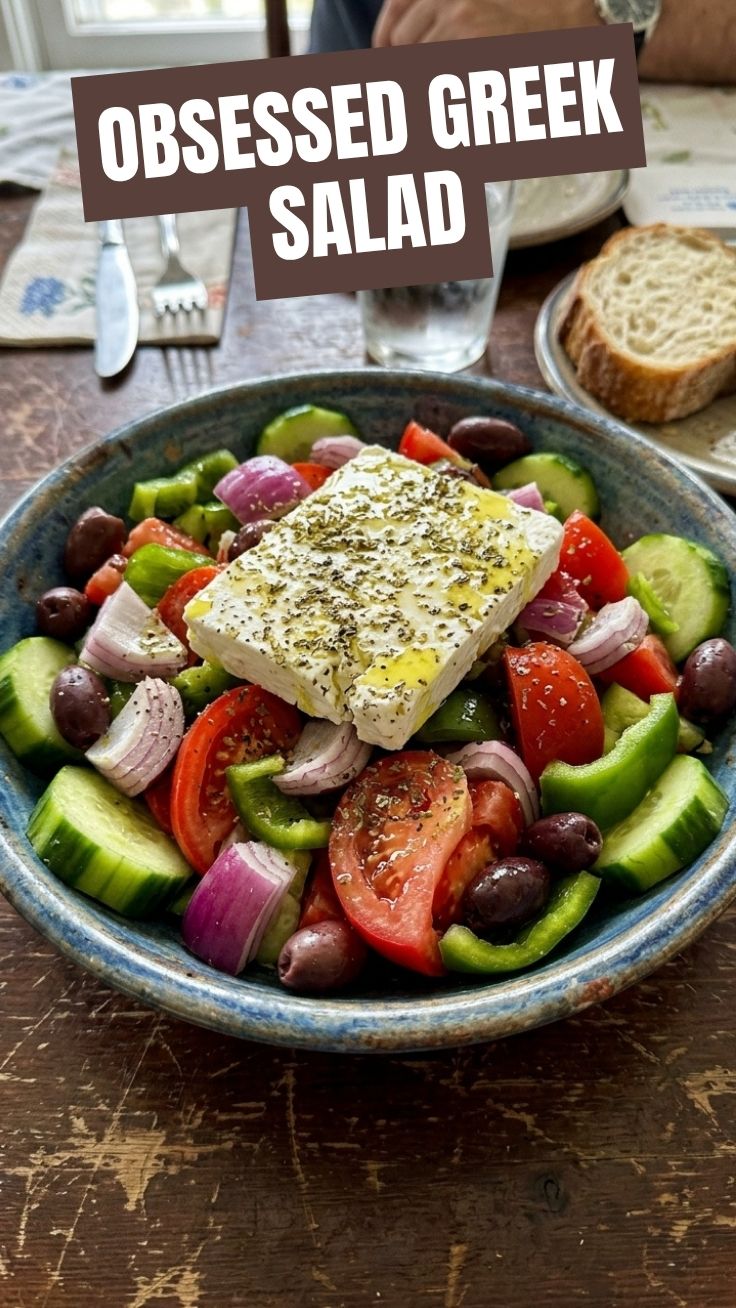
This beautiful Greek Salad is a quick assembly job, making it perfect for last-minute meals or meal prep.
- Prep Time: 15-20 minutes (depending on your chopping speed!)
- Cook Time: 0 minutes (no cooking required!)
- Resting Time: 10-15 minutes (optional, but highly recommended for flavors to meld). Allow the assembled salad to sit for a short while before serving to let the vegetables absorb the dressing, enhancing their taste.
Step-by-Step Instructions
Follow these simple steps to bring your Mediterranean masterpiece to life:
1. Prepare the Vegetables: Wash all your fresh vegetables thoroughly. Coarsely chop the tomatoes, slice the cucumber into half-moons, deseed and thinly slice the green bell pepper, and thinly slice the red onion into rings. Place all chopped vegetables into a large mixing bowl.
2. Add Olives and Feta: Add the pitted Kalamata olives to the bowl with the vegetables. Crumble or cube the block of authentic Greek feta cheese directly over the vegetables.
3. Whisk the Dressing: In a small bowl or jar, combine the extra virgin olive oil, red wine vinegar, dried oregano, sea salt, and black pepper. Whisk vigorously (or shake in a jar) until well combined and slightly emulsified. Taste and adjust seasoning if necessary – you might want a little more salt or oregano.
4. Dress the Salad: Pour the prepared dressing evenly over the vegetables, olives, and feta in the large mixing bowl.
5. Toss Gently: Using two large spoons or clean hands, gently toss the ingredients to ensure everything is evenly coated with the dressing. Be careful not to over-mix, especially with the feta, to avoid it disintegrating too much.
6. Serve & Enjoy: For the best flavor, allow the Greek Salad to rest for 10-15 minutes before serving. This allows the flavors to truly meld. Garnish with fresh parsley or dill if desired. This simple Greek Salad Recipe is sure to impress!
Nutritional Benefits & Advantages
The Greek Salad is a nutritional powerhouse! It’s packed with vitamins, minerals, and healthy fats. Tomatoes are rich in lycopene, an antioxidant, while cucumbers provide hydration and essential electrolytes. Green peppers are an excellent source of Vitamin C. The extra virgin olive oil offers monounsaturated fats, known for their heart-health benefits. Feta cheese contributes calcium and protein. Combined, these ingredients create a balanced meal (or side dish) that supports overall well-being, aids digestion, and keeps you feeling satisfied.
Tips, Variations & Cooking Advice
- Boost the Protein: Add grilled chicken, chickpeas, or canned tuna for a more substantial meal.
- Spice It Up: A pinch of red pepper flakes in the dressing can add a subtle kick.
- Herb Variations: Experiment with fresh mint or dill instead of (or in addition to) oregano for different aromatic profiles.
- Onion Mellowing: If raw red onion is too strong for your palate, soak the sliced onions in ice water for 10-15 minutes, then drain and pat dry before adding to the salad.
- Dietary Adaptations:
* Dairy-Free: Omit the feta or use a high-quality vegan feta alternative.
* Gluten-Free: This recipe is naturally gluten-free!
Common Mistakes to Avoid
- Using Pre-Crumbled Feta: Often lower quality and less flavorful than a block of authentic Greek feta.
- Over-dressing: Start with the recommended amount of dressing and add more if needed, rather than drowning your salad.
- Soggy Salad: Avoid dressing the salad too far in advance (more than 30-40 minutes) if you want to maintain the crispness of the vegetables.
- Using Sub-par Ingredients: The simplicity of this salad means every ingredient shines. Invest in good quality, fresh produce and a decent extra virgin olive oil.
Storage & Meal Prep Tips
This salad is best enjoyed fresh. However, if you have leftovers or are preparing it for a slightly later meal:
- Storage: Store any leftover Greek Salad in an airtight container in the refrigerator for up to 2 days.
- Refrigeration: The vegetables might soften slightly, and the dressing can make the greens a bit less crisp after prolonged storage, but the flavors will still be delicious.
- Reheating: This salad is meant to be served chilled or at room temperature, so no reheating is necessary.
- Meal Prep Hack: For future meal prep, chop all your vegetables and make the dressing separately. Store them in individual containers in the fridge. Assemble and dress just before serving for ultimate freshness.
Conclusion
There you have it – a simple yet profoundly satisfying guide to creating a vibrant and authentic Greek Salad. This recipe isn’t just about combining ingredients; it’s about celebrating the Mediterranean diet’s emphasis on fresh, wholesome produce and robust flavors. We hope this accessible Greek Salad Recipe inspires you to bring the taste of Greece into your home. Don’t hesitate to experiment with the tips and variations provided, and most importantly, enjoy the process! Share your creations and thoughts in the comments below – we’d love to hear how your Greek salad adventure turns out!
FAQs
Q1: Can I use different types of olives?
A1: While Kalamata olives are traditional and highly recommended for their distinct flavor, you can substitute them with other black olives if necessary. Just be aware the taste profile might be slightly different.
Q2: How far in advance can I make the dressing?
A2: You can make the dressing up to a week in advance and store it in an airtight container in the refrigerator. Just give it a good shake or whisk before using, as the oil and vinegar may separate.
Q3: What if I can’t find block feta?
A3: If block feta is unavailable, you can use pre-crumbled feta, but try to find a brand that emphasizes “Greek Feta” for better quality and flavor. Avoid heavily processed “feta-style” cheeses.
Q4: Can I add lettuce to this salad?
A4: An authentic Greek salad (Horiatiki salata) traditionally does not include lettuce. However, many variations exist, and if you prefer a base of lettuce, go for it! Romaine or crisp green leaf lettuce would work well.
Q5: My red onions are too strong; how can I mellow them?
A5: To significantly mellow the pungent flavor of raw red onions, slice them thinly and then soak them in a bowl of ice water for 10-15 minutes. Drain them thoroughly and pat dry before adding to the salad.