Master the Grill: Perfecting Father’s Day Grilled Steak (Ribeye) at Home
Are you ready to elevate your grilling game and create an unforgettable meal that will impress everyone at your next outdoor gathering? There’s something uniquely satisfying about the sizzle of a perfectly grilled steak, especially when it’s a succulent ribeye, cooked to tender, juicy perfection. This isn’t just about food; it’s about crafting an experience, a masterpiece right in your own backyard. In this blog post, we’re diving deep into the art of preparing a phenomenal Father’s Day Grilled Steak (Ribeye). Forget those expensive restaurant bills; with our comprehensive guide, you’ll unlock the secrets to achieving steakhouse-quality results at home. From choosing the best cuts to mastering the grill, we’ll ensure your Ribeye recipes are legendary.
Ingredients & Kitchen Tools
To embark on this culinary adventure, gather the following:
- Ribeye Steaks (2 x 1.5-inch thick, bone-in or boneless): The star of our show, ensuring rich flavor and tenderness.
- Coarse Sea Salt & Freshly Ground Black Pepper: Essential for seasoning, bringing out the steak’s natural flavors.
- Olive Oil (2 tbsp): Helps to create a beautiful crust and prevents sticking.
- Garlic Cloves (3-4, smashed): Infuses a subtle aromatic depth.
- Fresh Rosemary/Thyme Sprigs (2-3): Adds herbaceous notes that complement the beef beautifully.
- Unsalted Butter (2 tbsp): For basting, enhancing richness and creating a glossy finish.
- Meat Thermometer: Crucial for accurately checking internal temperature for desired doneness.
- Heavy-Duty Tongs: For flipping and moving the steak without piercing.
- Grill (Charcoal or Gas): Your primary cooking apparatus.
- Aluminum Foil: For resting the steak.
- Cutting Board & Sharp Knife: For carving.
Prep Time & Cooking Schedule
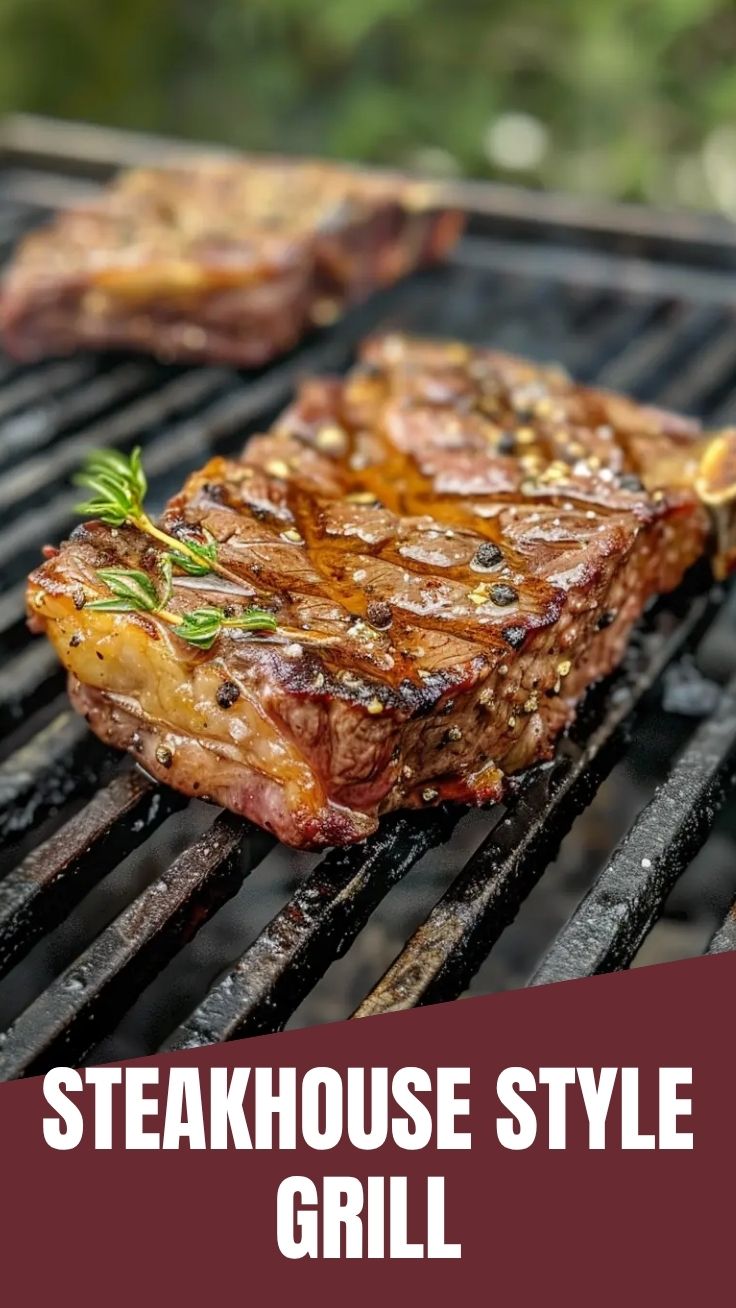
- Prep Time: 15 minutes (plus 30-60 minutes for bringing steaks to room temperature)
- Cook Time: 10-15 minutes (depending on thickness and desired doneness)
- Resting Time: 10 minutes
For best results, remove your ribeye steaks from the refrigerator 30-60 minutes before cooking. This allows them to come to room temperature, ensuring more even cooking. Seasoning can also be done during this time. Preheat your grill to high heat during the last 15 minutes of the resting period.
Step-by-Step Instructions
1. Bring to Room Temp & Season: Take your ribeye steaks out of the fridge and pat them dry thoroughly with paper towels. Season generously on all sides with coarse sea salt and freshly ground black pepper. Don’t be shy; a thick cut of meat can handle a lot of seasoning! This crucial step ensures the flavors penetrate the meat for an outstanding Father’s Day Grilled Steak (Ribeye).
2. Preheat Grill: Preheat your grill to high heat (around 450-500°F or 230-260°C). For gas grills, achieve a consistent flame. For charcoal, aim for glowing briquettes with a thin layer of ash.
3. Sear the Steak: Lightly brush the steaks with olive oil. Place the seasoned steaks directly over the hottest part of the grill. Sear for 2-3 minutes per side to develop a beautiful crust. For those mastering their Ribeye recipes, this initial sear is key to locking in juices and flavor.
4. Indirect Heat & Basting: Move the steaks to a cooler part of the grill (indirect heat) if they are browning too quickly. Add the butter, smashed garlic, and rosemary/thyme to the grill, placing them near the steaks. Using tongs, baste the steaks with the melted herbed butter for the last few minutes of cooking.
5. Check Doneness: Use a meat thermometer to check the internal temperature.
* Rare: 125°F (52°C)
* Medium-Rare: 130-135°F (54-57°C)
* Medium: 135-140°F (57-60°C)
* Medium-Well: 140-150°F (60-65°C)
* Well-Done: 150°F+ (65°C+)
Remember, the temperature will rise slightly during resting.
6. Rest the Steak: Once your desired doneness is reached, remove the steaks from the grill and place them on a cutting board. Tent loosely with aluminum foil and let them rest for at least 10 minutes. This allows the juices to redistribute, ensuring a tender and flavorful steak.
7. Slice & Serve: Slice against the grain into thick pieces and serve immediately.
Nutritional Benefits & Advantages
Ribeye steaks are a fantastic source of protein, essential for muscle repair and growth. They also provide significant amounts of iron, crucial for oxygen transport in the blood, and B vitamins like B12, important for nerve function and energy. While ribeye is known for its marbling (intramuscular fat), which contributes to its rich flavor and tenderness, it also contains beneficial monounsaturated fats. Grilling, as a cooking method, often requires less added fat than frying, making it a relatively healthier option.
Tips, Variations & Cooking Advice
- Reverse Sear: For thicker steaks (over 2 inches), consider reverse searing. Cook indirectly at a lower temperature (275°F/135°C) until 10-15°F below target, then finish with a high-heat sear.
- Marinade: For a different flavor profile, marinate the steaks for 2-4 hours in a mixture of soy sauce, Worcestershire sauce, garlic, and herbs.
- Compound Butter: Prepare a compound butter with fresh herbs (parsley, chives), garlic, and a squeeze of lemon juice to melt over the hot steak after resting.
- Spice Rubs: Experiment with various spice rubs – coffee rubs, smoked paprika, or chili powder can add exciting dimensions.
- Don’t Overcook: The biggest mistake with steak is overcooking. Always err on the side of undercooking, as you can always put it back on the grill briefly.
Common Mistakes to Avoid
- Grilling Cold Steak: Leads to uneven cooking. Always bring to room temperature.
- Under-Seasoning: Steak needs generous seasoning to truly shine.
- Flipping Too Often: Resist the urge! Let the steak develop a crust on each side before flipping.
- Not Resting: Skipping the resting period will result in a dry, less flavorful steak as the juices will run out when cut.
- Using the Wrong Thermometer: An instant-read meat thermometer is essential for accuracy; don’t rely solely on visual cues.
- Overcrowding the Grill: Give your steaks space for even cooking and proper searing.
Storage & Meal Prep Tips
Leftover grilled ribeye can be stored in an airtight container in the refrigerator for 3-4 days. For best preservation of taste and texture, slice the steak before storing. To reheat, gently warm in a pan on medium-low heat with a little beef broth or butter to prevent drying out, or briefly in a microwave. Avoid high heat, as it can make the steak tough. Leftovers are excellent in salads, sandwiches, or even quick stir-fries. While you can freeze cooked steak, it’s generally best enjoyed fresh, as freezing can slightly alter the texture.
Conclusion
Mastering the grill to create an exceptional Father’s Day Grilled Steak (Ribeye) is a rewarding culinary journey. By following these detailed steps, embracing the art of seasoning, perfect searing, and patient resting, you’re not just cooking a meal; you’re crafting an experience. Each bite of this perfectly prepared steak will confirm why high-quality Ribeye recipes are cherished. We encourage you to try this recipe, experiment with your favorite flavors, and share your grilled masterpieces. Share your photos and tips in the comments below!
FAQs
- Q: How do I get those perfect grill marks?
A: Ensure your grill grates are clean and well-oiled. Place the steak on the hot grate and don’t move it for 2-3 minutes. For cross-hatch marks, rotate the steak 45 degrees without flipping after the initial sear, then flip and repeat on the other side.
- Q: What if I don’t have a meat thermometer?
A: While highly recommended, you can use the “poke test” by comparing the steak’s firmness to the fleshy part of your hand (e.g., rare feels like the fleshy part below your thumb when relaxed). However, this method requires practice and is less accurate.
- Q: Can I use frozen ribeye?
A: Yes, but ensure it’s completely thawed in the refrigerator overnight before attempting to grill. Never grill a partially frozen steak.
- Q: My steak is tough, what went wrong?
A: This is usually due to overcooking or not resting the steak long enough. High heat for too long denatures the proteins, making them tough, and skipping the rest prevents juices from redistributing.
- Q: What are some good side dishes for grilled ribeye?
A: Classic pairings include grilled asparagus, corn on the cob, a fresh garden salad, roasted potatoes, or a creamy potato gratin.