Master the Irresistible: Your Ultimate Guide to Homemade Chicken Tikka Masala
Dreaming of that rich, creamy, and vibrantly spiced dish that transports your taste buds straight to the heart of India? That’s right, we’re talking about Chicken Tikka Masala! While often a restaurant favorite, mastering this beloved Indian curry at home isn’t just possible, it’s incredibly rewarding. Imagine the aroma filling your kitchen, the satisfaction of creating layers of complex flavor, and the joy of sharing a truly authentic meal with loved ones. Ditching the takeout for a homemade version means you control the ingredients, adjust the spice to your preference, and ensure every bite is packed with wholesome goodness. Let’s embark on this culinary adventure together!
Ingredients & Kitchen Tools
Crafting the perfect Chicken Tikka Masala requires a thoughtful selection of ingredients and a few essential kitchen tools.
For the Chicken Marinade:
- 1.5 lbs boneless, skinless chicken thighs or breasts: Thighs are recommended for juiciness.
- ½ cup plain full-fat Greek yogurt: Tenderizes the chicken and provides a tangy base.
- 2 tbsp fresh lemon juice: Brightens flavors and aids in tenderization.
- 1 tbsp grated fresh ginger: Adds pungent spice.
- 1 tbsp minced garlic: Aromatic foundation.
- 1 tsp ground cumin: Earthy warmth.
- 1 tsp ground coriander: Citrusy and sweet notes.
- ½ tsp turmeric powder: For color and mild earthy flavor.
- ½ tsp garam masala: A warming spice blend, quintessential to Indian cooking.
- ¼ tsp red chili powder (or cayenne): Adjust to your spice preference.
- ½ tsp salt: Enhances all other flavors.
For the Tikka Masala Sauce:
- 2 tbsp unsalted butter or ghee: For richness and sautéing.
- 1 large yellow onion, finely diced: Sweetens and thickens the sauce.
- 1 tbsp grated fresh ginger: More aromatic depth.
- 1 tbsp minced garlic: Essential flavor.
- 1 (28 oz) can crushed tomatoes: The body of the sauce.
- ½ cup water or chicken broth: To thin the sauce.
- ½ cup heavy cream: For that signature creamy texture.
- 1 tbsp sugar (optional): Balances the acidity of tomatoes.
- 1 tsp ground cumin: Reinforces flavor.
- 1 tsp ground coriander: Reinforces flavor.
- 1 tsp garam masala: Essential for the sauce’s warmth.
- ½ tsp red chili powder (or cayenne): For heat.
- Salt to taste: Adjust as needed.
- Fresh cilantro, chopped: For garnish and freshness.
Kitchen Tools:
- Large mixing bowl: For marinating the chicken.
- Sharp knife and cutting board: For prepping ingredients.
- Large skillet or Dutch oven: For cooking the chicken and simmering the sauce.
- Blender or immersion blender (optional): For a smoother sauce.
- Measuring cups and spoons: For precise ingredient amounts.
Prep Time & Cooking Schedule
Planning is key to a stress-free cooking experience! This recipe involves a crucial marinating step that profoundly impacts the flavor and tenderness of your chicken.
- Prep Time: 25 minutes (includes chopping and mixing)
- Marinating Time: Minimum 30 minutes, ideally 2-4 hours, or even overnight in the refrigerator for maximum flavor penetration. This step makes a significant difference to the chicken’s tenderness.
- Cook Time: 30-40 minutes (browning chicken, simmering sauce)
- Total Time (active): Approximately 1 hour
- Total Time (with marinade): 1.5 hours to overnight
To help you plan, consider marinating the chicken the night before or first thing in the morning. This way, the active cooking process becomes much quicker and more manageable for a weeknight dinner.
Step-by-Step Instructions
Embark on the journey to creating a delectable restaurant-quality Chicken Tikka Masala with these detailed steps. Remember, an Indian curry thrives on layers of flavor, so take your time with each stage!
1. Marinate the Chicken: In a large bowl, combine the chicken pieces with all marinade ingredients (yogurt, lemon juice, ginger, garlic, cumin, coriander, turmeric, garam masala, chili powder, and salt). Mix well, ensuring chicken is evenly coated. Cover and refrigerate for at least 30 minutes, or up to 24 hours. The longer, the better!
2. Cook the Chicken: Heat 1 tablespoon of butter or ghee in a large skillet or Dutch oven over medium-high heat. Remove chicken from marinade, shaking off excess, and cook in batches until browned on all sides and cooked through. Avoid overcrowding the pan; this ensures a good sear. Remove cooked chicken and set aside.
3. Sauté Aromatics for the Sauce: In the same skillet, add the remaining 1 tablespoon of butter or ghee. Reduce heat to medium. Add the diced onion and cook until softened and translucent, about 5-7 minutes. Stir in the ginger and garlic and cook for another minute until fragrant.
4. Build the Sauce Base: Add the crushed tomatoes, water or broth, sugar (if using), cumin, coriander, garam masala, and chili powder to the pan. Bring to a gentle simmer, then reduce heat to low, cover, and let it cook for at least 15-20 minutes, stirring occasionally. This allows the flavors to meld beautifully. For an extra smooth sauce, carefully transfer to a blender and blend until desired consistency, then return to the pan.
5. Finish the Sauce: Stir in the heavy cream and cook for another 5 minutes, allowing the sauce to thicken slightly. Taste and adjust seasoning with salt, and if needed, more sugar or chili powder.
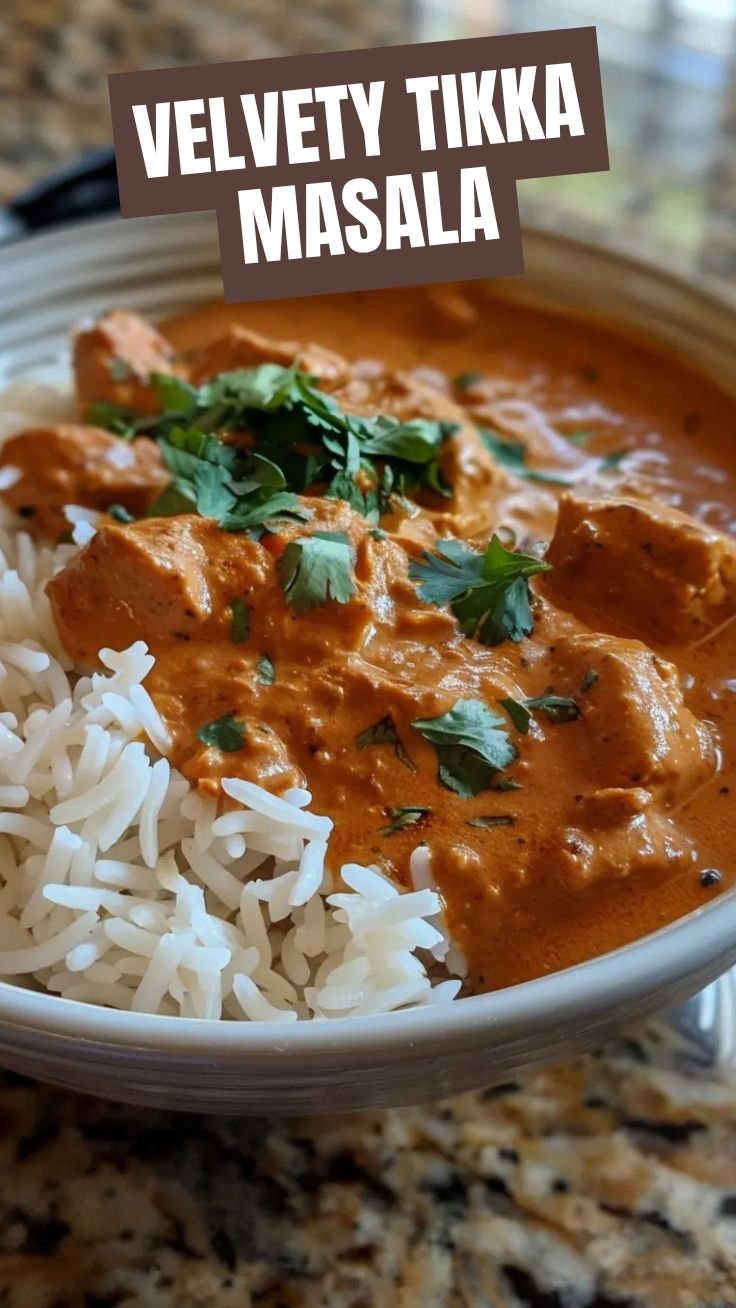
6. Combine and Serve: Add the cooked chicken back into the sauce, stirring to coat. Heat through for a few minutes. Garnish generously with fresh cilantro. Serve hot with basmati rice, naan bread, or roti.
Nutritional Benefits & Advantages
Beyond its incredible taste, Chicken Tikka Masala offers several nutritional advantages, especially when prepared at home. Chicken is a lean source of protein, essential for muscle repair and growth. The spices themselves – turmeric, ginger, garlic, and cumin – are renowned for their anti-inflammatory and antioxidant properties. Turmeric, in particular, contains curcumin, a powerful compound studied for its potential health benefits. Making it from scratch allows you to control the amount of fat and sodium, opting for healthier cooking oils and fresh ingredients over highly processed alternatives.
Tips, Variations & Cooking Advice
- Smoky Flavor: For an authentic “tandoor” flavor, char your chicken pieces slightly under a broiler or on a grill after marinating and before adding to the sauce.
- Vegetarian Version: Swap chicken for paneer (Indian cheese), firm tofu, or a mix of roasted vegetables like cauliflower and potatoes. Add them to the sauce closer to the end of cooking.
- Spice Level: Adjust the red chili powder to your preference. For more heat, add a pinch of cayenne or a finely chopped green chili. For less, reduce the amount.
- Cream Alternatives: For a lighter option, you can use half-and-half or even evaporated milk, though the richness will be slightly different. Coconut milk can also be used for a dairy-free variation, which will alter the flavor profile towards a Goan or Thai curry.
- Frozen Chicken: If using frozen chicken, ensure it’s fully thawed before marinating to prevent a watery outcome.
Common Mistakes to Avoid
- Overcrowding the Pan: When browning chicken, cook in batches. Overcrowding lowers the pan temperature, resulting in steamed rather than seared chicken.
- Skipping the Marinating Step: This is crucial for tender, flavorful chicken. Don’t shortchange this step!
- Rushing the Sauce: Allowing the sauce to simmer gently for at least 15-20 minutes is vital for the flavors to deepen and meld.
- Underseasoning: Taste and adjust seasoning frequently, especially with salt, sugar, and chili powder. Tomatoes can be quite acidic, and sugar helps balance this.
Storage & Meal Prep Tips
Leftovers: Chicken Tikka Masala tastes even better the next day as the flavors continue to develop!
- Refrigeration: Store leftover curry in an airtight container in the refrigerator for up to 3-4 days.
- Freezing: This dish freezes beautifully. Allow it to cool completely, then transfer to freezer-safe containers or bags. It can be frozen for up to 2-3 months. Thaw overnight in the refrigerator before reheating.
- Reheating: Reheat gently on the stovetop over medium-low heat, stirring occasionally, until warmed through. You may need to add a splash of water or broth to loosen the sauce if it has thickened too much. Avoid high heat, which can cause the cream to separate.
Conclusion
Bringing the vibrant flavors of India into your home with this homemade Chicken Tikka Masala recipe is a culinary journey you won’t regret. The careful layering of aromatic spices, the tender marinated chicken, and the rich, creamy tomato sauce create an unforgettable dining experience. Whether you’re a seasoned chef or new to Indian curry, this guide provides all the tools and insights you need for success. Don’t be shy – grab your spices, roll up your sleeves, and prepare to impress your taste buds! Share your creations with us in the comments below!
FAQs
Q1: Can I make this dairy-free?
A1: Yes, you can substitute the Greek yogurt with a plant-based yogurt (like unsweetened coconut or almond yogurt) for the marinade. For the cream, use full-fat coconut milk (from a can) for a creamy, dairy-free sauce. The flavor profile will shift slightly towards coconut.
Q2: What’s the difference between Chicken Tikka Masala and Butter Chicken?
A2: While very similar, Chicken Tikka Masala typically has a slightly tangier and spicier tomato base, often with bell peppers, and the chicken is usually grilled or pan-fried. Butter Chicken (Murgh Makhani) tends to be sweeter, richer, and creamier, with chicken cooked directly in the sauce, and often includes cashews or almonds for thickness.
Q3: Can I use chicken breasts instead of thighs?
A3: Yes, chicken breasts work, but they tend to dry out more easily. Thighs are recommended for their higher fat content, which keeps them juicy and flavorful. If using breasts, be careful not to overcook them.
Q4: My sauce split or looks grainy, what went wrong?
A4: This usually happens if the cream is added to a sauce that’s too hot or if the sauce is boiled vigorously after adding the cream. To avoid this, ensure the sauce is simmering gently (not boiling) when you add the cream, and keep the heat low afterward. If it splits, you can try whisking in a teaspoon of cornstarch slurry (cornstarch mixed with a little cold water) and simmering gently to emulsify it again.
Q5: How can I make my spice flavor more robust?
A5: Ensure your spices are fresh and not expired. Toasting whole spices (like cumin seeds and coriander seeds) briefly in a dry pan before grinding them can significantly enhance their aroma and flavor. Also, allowing the sauce to simmer for adequate time helps the spices meld and deepen their taste.