Unlocking Comfort: Your Guide to the Perfect Homemade Chicken Soup
Are you yearning for a bowl of warmth that nourishes both body and soul? There’s an undeniable magic in a steaming bowl of Chicken Soup, especially when crafted with love in your own kitchen. Beyond its comforting embrace, preparing this culinary classic at home offers unparalleled control over ingredients, allowing you to tailor it to your exact preferences and dietary needs. Forget bland, store-bought alternatives; today, we’re diving deep into creating a vibrant, flavorful, and incredibly satisfying chicken soup recipes that will become a cherished staple in your repertoire.
Ingredients & Kitchen Tools
Crafting the perfect soup starts with quality ingredients and the right culinary arsenal.
Ingredients:
- 2 lbs Bone-in, Skin-on Chicken Thighs or Breast: (For rich flavor and tender meat. Bone-in adds depth, skin can be removed after cooking.)
- 1 tbsp Olive Oil: (For sautéing aromatics.)
- 2 Large Carrots, peeled and diced: (Adds sweetness and essential vitamins.)
- 2 Celery Stalks, diced: (Contributes to the classic mirepoix flavor base.)
- 1 Large Yellow Onion, diced: (The backbone of flavor; caramelizes beautifully.)
- 3-4 cloves Garlic, minced: (Pungent and aromatic.)
- 8 cups Chicken Broth or Stock: (Low-sodium preferred, or homemade for best results.)
- 1 tsp Dried Thyme: (Earthy and aromatic, a classic pairing with chicken.)
- ½ tsp Dried Rosemary: (Pungent and piney notes, use sparingly.)
- 2 Bay Leaves: (Adds a subtle, herbal backdrop.)
- 1 cup Egg Noodles or Small Pasta: (Adds heartiness; optional for low-carb versions.)
- ½ cup Fresh Parsley, chopped: (For a vibrant, fresh finish.)
- Salt and Freshly Ground Black Pepper to taste: (Essential for seasoning.)
Kitchen Tools:
- Large Stockpot or Dutch Oven: (Essential for simmering a large batch of soup.)
- Cutting Board and Sharp Knife: (For efficient vegetable prep.)
- Measuring Spoons and Cups: (For accurate ingredient quantities.)
- Ladle: (For serving.)
- Slotted Spoon or Tongs: (For removing chicken and bay leaves.)
- Strainer or Colander: (Optional, for straining broth if desired.)
Prep Time & Cooking Schedule
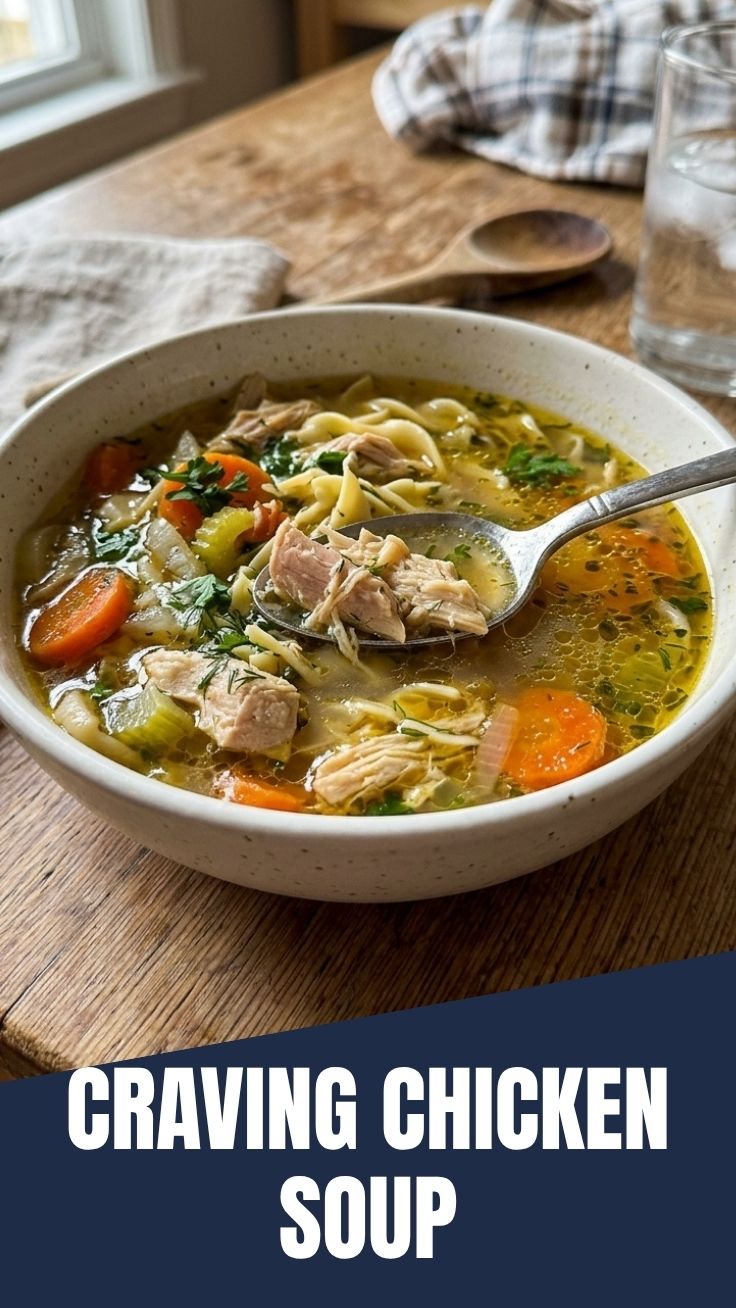
- Prep Time: 20-25 minutes (focus on chopping vegetables and preparing chicken).
- Cook Time: 45-60 minutes (simmering time for flavors to meld and chicken to become tender).
- Resting Time: 10 minutes (allowing chicken to cool slightly for shredding).
Plan to dedicate about 1.5 to 2 hours from start to finish. This recipe is perfect for a comforting weeknight meal or a weekend batch-cooking session, with a substantial portion of the time being passive simmering.
Step-by-Step Instructions
Follow these detailed steps to create a truly remarkable Chicken Soup, ensuring every spoonful is bursting with flavor. Many chicken soup recipes follow a similar progression, building layers of taste.
1. Sauté Aromatics: Heat olive oil in your large stockpot over medium heat. Add diced carrots, celery, and onion. Sauté, stirring occasionally, for 8-10 minutes, until softened and lightly translucent. Add minced garlic and cook for another minute until fragrant.
2. Sear Chicken: Push the vegetables to one side of the pot. Place the chicken pieces in the empty space, skin-side down if applicable. Sear for 3-4 minutes per side to develop some color and flavor.
3. Deglaze and Simmer: Pour in the chicken broth, scraping the bottom of the pot with a wooden spoon to release any browned bits (this adds immense flavor!). Add dried thyme, rosemary, and bay leaves.
4. Cook Chicken: Bring the soup to a gentle boil, then reduce heat to low, cover, and simmer for 30-40 minutes, or until the chicken is cooked through and easily shreds.
5. Shred Chicken: Carefully remove the chicken pieces from the pot and let them cool slightly on a cutting board. Discard skin and bones, then shred the chicken meat into bite-sized pieces using two forks.
6. Cook Noodles: If using, add egg noodles or pasta to the simmering soup. Cook according to package directions, usually 7-10 minutes, until al dente. Skip this step if you prefer a lower-carb option or plan to store leftovers, adding pasta to individual bowls later to prevent sogginess.
7. Combine and Season: Return the shredded chicken to the pot. Stir in fresh parsley. Taste the soup and season generously with salt and freshly ground black pepper. Adjust seasoning as needed. Remove and discard bay leaves before serving.
Nutritional Benefits & Advantages
This homemade Chicken Soup is more than just comfort; it’s a nutritional powerhouse. Chicken provides lean protein, essential for muscle repair and growth, especially beneficial when recovering from illness. The medley of vegetables—carrots, celery, and onions—deliver a rich array of vitamins, minerals, and antioxidants, supporting immune function and overall well-being. Furthermore, a well-made chicken broth or stock is rich in collagen and amino acids, which can aid in gut health and hydration. Choosing low-sodium broth and controlling your salt intake also makes this a heart-healthy option.
Tips, Variations & Cooking Advice
- Flavor Boosts: For an extra layer of flavor, roast your chicken pieces before adding them to the pot. A splash of lemon juice or a dash of apple cider vinegar at the end can brighten the soup.
- Ingredient Swaps: Swap egg noodles for rice, quinoa, or small pasta shapes like ditalini or orzo. For a thicker consistency, mash some of the cooked carrots and potatoes into the broth.
- Vegetable Variations: Feel free to add other vegetables like diced potatoes, corn, peas, or spinach during the last 10-15 minutes of simmering.
- Spicy Kick: A pinch of red pepper flakes or a few slices of jalapeño can add a pleasant warmth.
- Dietary Adaptations:
* Gluten-Free: Ensure your chicken broth is gluten-free and use gluten-free pasta or rice instead of traditional egg noodles.
* Dairy-Free: This recipe is naturally dairy-free.
* Low-Carb: Omit the noodles entirely or use a spiralized vegetable “noodle” like zucchini or carrot, added at the very end.
Common Mistakes to Avoid
- Overcooking Vegetables: Sautéing them too long at high heat can make them mushy. Aim for tender-crisp.
- Skimping on Seasoning: A bland soup is a sad soup. Taste and adjust salt and pepper throughout the process, especially at the end.
- Not Skimming Foam: As the chicken simmers, foam may rise to the surface. Skim it off for a clearer, cleaner-tasting broth.
- Adding Pasta Too Early for Storage: If you plan to store leftovers, cook pasta separately and add it to individual bowls when serving to prevent it from swelling and becoming mushy.
- Forgetting Bay Leaves: Bay leaves add a subtle but crucial depth of flavor. Remember to remove them before serving, as they are not meant to be eaten.
Storage & Meal Prep Tips
Homemade Chicken Soup is excellent for meal prep!
- Refrigeration: Store leftover soup in airtight containers in the refrigerator for up to 3-4 days.
- Freezing: For longer storage, freeze portions in freezer-safe containers or bags for up to 3 months. Thaw overnight in the refrigerator before reheating.
- Reheating: Gently reheat on the stovetop over medium-low heat, stirring occasionally, until heated through. If adding noodles to previously frozen or refrigerated soup, do so during reheating to ensure they cook evenly and maintain texture.
Conclusion
There’s an unparalleled satisfaction in a bowl of homemade Chicken Soup. From its comforting aroma to its nourishing ingredients, it’s a dish that truly embodies culinary love. We hope this comprehensive guide inspires you to whip up your own batch of this classic, mastering one of the most beloved chicken soup recipes. Don’t hesitate to experiment with the variations and make it truly your own. Share your results with us in the comments below – we’d love to hear how your comforting creation turned out!
FAQs
Q1: Can I use boneless, skinless chicken breasts instead of thighs?
A1: Yes, you can. Boneless, skinless breasts will cook faster and yield a lighter broth. Adjust simmering time accordingly, removing them once cooked through to prevent dryness, then shredding.
Q2: My soup broth isn’t as flavorful as I’d like. What went wrong?
A2: Common reasons include not using enough aromatics (onions, carrots, celery, garlic), not searing the chicken to build flavor, or using a low-quality stock. Using bone-in chicken also significantly enhances flavor.
Q3: How can I make this soup creamier?
A3: For a creamier texture, you can add a splash of heavy cream or blend a portion of the soup (about 1-2 cups of the broth and vegetables) before returning it to the pot.
Q4: Can I make this in a slow cooker?
A4: Absolutely! Combine all ingredients (except pasta and fresh parsley) in a slow cooker. Cook on low for 6-8 hours or high for 3-4 hours. Shred chicken, add pasta if desired (cook separately or add to the slow cooker for the last 30 minutes), and stir in parsley before serving.
Q5: What’s the best way to prevent noodles from getting soggy in leftover soup?
A5: To prevent soggy noodles, cook them separately and add them to individual bowls just before serving. If you’ve already added them to the main pot, the best bet is to avoid freezing that portion and consume it within 2-3 days from the refrigerator.