Master the Art of Homemade Falafel: Crispy, Flavorful, and Unforgettable!
Tired of falafel that’s dry, crumbly, or disappointingly bland? Imagine biting into a perfectly crisp exterior, followed by a tender, aromatic interior bursting with fresh herb flavors. Learning to make Falafel (Homemade) is not just about cooking; it’s about crafting a culinary experience. This isn’t your average deep-fried dough; it’s a labor of love that promises a superior taste and texture compared to any takeout version. By harnessing the humble Chickpea, we unlock a world of plant-based deliciousness that’s both satisfying and surprisingly easy to achieve in your own kitchen. Why settle for less when you can create a masterpiece?
Ingredients & Kitchen Tools
- Dried Chickpeas (Garbanzo Beans): 1 cup (approximately 2 cups once soaked). Crucial for authentic falafel; canned chickpeas are too soft and will result in a mushy texture.
- Fresh Parsley: 1/2 cup, packed. Provides vibrant color and essential earthy flavor.
- Fresh Cilantro: 1/2 cup, packed. Adds a bright, citrusy note.
- Onion: 1/2 medium, roughly chopped. For aromatic depth.
- Garlic Cloves: 3-4, peeled. More aromatic punch!
- All-Purpose Flour or Chickpea Flour: 2 tablespoons. Acts as a binder. For a gluten-free option, use chickpea flour.
- Baking Soda: 1 teaspoon. Helps achieve that desirable light and airy interior.
- Cumin Powder: 1 teaspoon. Classic falafel spice.
- Coriander Powder: 1 teaspoon. Enhances the fragrant profile.
- Cayenne Pepper (Optional): 1/2 teaspoon. For a touch of heat.
- Salt: 1 teaspoon, or to taste. Essential for flavor.
- Black Pepper: 1/2 teaspoon, or to taste. Balances the spices.
- Vegetable Oil (or other neutral oil): 3-4 cups for frying. Requires enough to submerge the falafel.
Kitchen Tools:
- Large Bowl: For soaking chickpeas.
- Food Processor: Essential for grinding the mixture to the correct consistency.
- Measuring Cups & Spoons: For accurate ingredient amounts.
- Large Pot or Dutch Oven: For deep frying.
- Slotted Spoon or Spider: For removing falafel from oil.
- Baking Sheet lined with Paper Towels: For draining excess oil.
- Falafel Scoop (Optional): Creates perfectly uniform falafel patties. Alternatively, use two spoons or your hands.
Prep Time & Cooking Schedule
- Prep Time: 20 minutes (active), plus 12-24 hours for soaking chickpeas.
- Cook Time: 15-20 minutes
- Resting Time: 30 minutes (after blending, before frying)
The most crucial step is soaking the chickpeas overnight. Do not skip this! It softens them without cooking, which is vital for the correct falafel texture. The active prep involves chopping herbs and blending, while the resting time allows the flavors to meld and the baking soda to activate, leading to a fluffier interior.
Step-by-Step Instructions
1. Soak the Chickpeas: Place the 1 cup of dried Chickpea in a large bowl and cover with plenty of cold water (they will expand significantly). Soak for 12-24 hours, changing the water once or twice if possible. They should be swollen and easily pliable when ready. Drain thoroughly.
2. Rough Chop: In your food processor, combine the drained chickpeas, parsley, cilantro, onion, and garlic. Pulse several times until the mixture is roughly chopped, but not a paste. You should still see small pieces of chickpeas.
3. Add Dry Ingredients: Add the flour (or chickpea flour), baking soda, cumin, coriander, cayenne (if using), salt, and black pepper to the food processor. Pulse again, scraping down the sides as needed, until the mixture is uniform and has a coarse, crumbly texture. It should hold together when pressed, but not be completely smooth.
4. Rest the Mixture: Transfer the mixture to a bowl, cover, and refrigerate for at least 30 minutes. This helps the flavors meld and the mixture firm up, making it easier to form the patties.
5. Form the Falafel: Heat the vegetable oil in a large pot or Dutch oven over medium-high heat until it reaches 350-375°F (175-190°C). While the oil heats, form the Falafel (Homemade) mixture into small patties or balls, about 1-1.5 inches in diameter. Don’t make them too large, as they won’t cook evenly.
6. Fry until Golden: Carefully place a few falafel into the hot oil, ensuring not to overcrowd the pot. Fry for 3-5 minutes, turning occasionally, until they are deep golden brown and crispy on all sides.
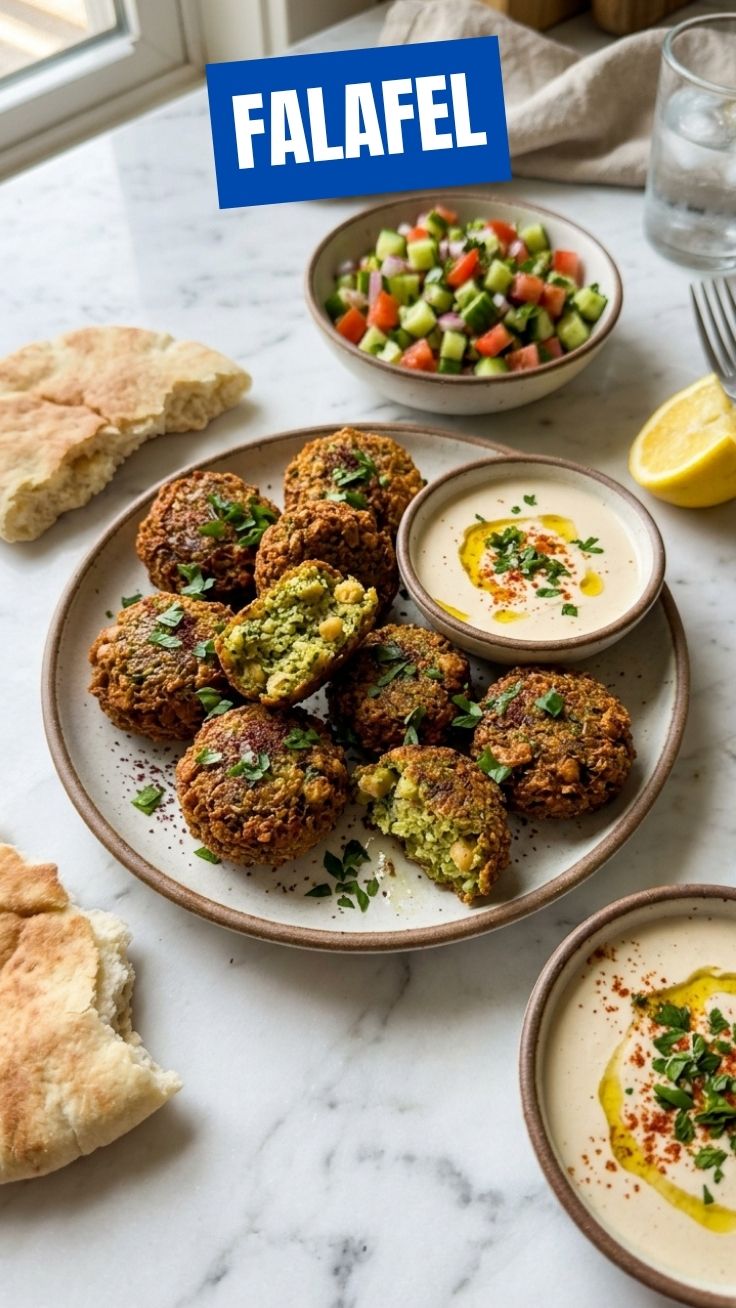
7. Drain & Serve: Remove the cooked falafel with a slotted spoon and place them on the paper towel-lined baking sheet to drain excess oil. Repeat with the remaining mixture. Serve hot with tahini sauce, pita bread, salad, or your favorite toppings.
Nutritional Benefits & Advantages
Falafel, primarily made from chickpeas, is a powerhouse of nutrition. Chickpeas are an excellent source of plant-based protein and dietary fiber, which aids in digestion, promotes satiety, and helps regulate blood sugar levels. They also provide essential minerals like iron, folate, magnesium, and zinc. The fresh herbs – parsley and cilantro – contribute vitamins A, C, and K, along with potent antioxidants. This makes falafel a fantastic option for vegetarians and vegans, offering a complete and satisfying meal that is both delicious and incredibly good for you.
Tips, Variations & Cooking Advice
- Spice it Up: Experiment with adding a pinch of smoked paprika, sumac, or even a tiny amount of crushed red pepper flakes for extra complexity.
- Herb Power: While parsley and cilantro are traditional, a small amount of fresh mint can add a refreshing twist.
- Baking Option: For a lighter, less oily version, you can bake falafel. Preheat oven to 400°F (200°C). Lightly spray the falafel with oil and bake for 20-25 minutes, flipping halfway, until golden brown and firm. The texture won’t be as crispy as fried, but it’s a healthier alternative.
- Air Fryer: Preheat to 375°F (190°C). Cook for 15-20 minutes, flipping halfway, until golden and cooked through. Again, less crispy but still delicious.
- Gluten-Free: Ensure you use chickpea flour as a binder instead of all-purpose flour.
- Make Ahead: The falafel mixture can be prepared and refrigerated for up to 2 days before frying.
Common Mistakes to Avoid
- Using Canned Chickpeas: This is the most common mistake! Canned chickpeas are already cooked and too soft, leading to a mushy falafel that won’t hold its shape or get crispy. Always use dried, soaked chickpeas.
- Over-Grinding the Mixture: If you process the mixture too much, it becomes a paste. You want a coarse, slightly crumbly texture, with discernible pieces of chickpeas and herbs.
- Under-Seasoning: Don’t be shy with salt and spices. Taste a tiny bit of the raw mixture (it’s safe as chickpeas aren’t raw) and adjust if necessary.
- Overcrowding the Frying Pot: This drops the oil temperature, leading to greasy, soft falafel. Fry in batches.
- Too Low Oil Temperature: Results in falafel that absorb too much oil and become soggy. Ensure your oil is at the correct temperature (350-375°F / 175-190°C).
Storage & Meal Prep Tips
Cooked falafel can be stored in an airtight container in the refrigerator for up to 3-4 days. To reheat, you can use an oven (350°F/175°C for 10-15 minutes until warmed and crisped), an air fryer, or a toaster oven. Microwaving is generally not recommended as it can make them rubbery. The uncooked falafel mixture can also be frozen. Form the patties, place them on a baking sheet, and freeze until solid. Then transfer to a freezer-safe bag for up to 3 months. Fry directly from frozen, adding a couple of minutes to the cooking time.
Conclusion
Creating your own Falafel (Homemade) is a deeply rewarding culinary journey, transforming humble ingredients into a spectacular dish. By taking the time to properly soak your Chickpea and follow these steps, you’ll unlock flavors and textures far superior to anything store-bought. Don’t be intimidated; the crispy exterior and fluffy, herb-infused interior are well worth the effort. Give this recipe a try, share your golden-brown creations with us, and savor the incredible taste of truly authentic, homemade falafel!
FAQs
- Can I use canned chickpeas if I’m short on time? No, it’s highly advised against. Canned chickpeas are too soft and will result in a mushy falafel. The texture will be completely different.
- What if my falafel mixture is too wet or too dry? If too wet, add a little more chickpea flour (1 tablespoon at a time). If too dry and crumbly, add a teaspoon of water or lemon juice until it holds together when pressed.
- How do I know the oil is at the right temperature without a thermometer? You can drop a tiny piece of the falafel mixture into the oil. If it immediately sizzles and floats to the top, it’s ready. If it sinks then slowly sizzles, it’s too cold. If it darkens too quickly, it’s too hot.
- Can I make this recipe without a food processor? It’s challenging but possible. You would need to finely mince the soaked chickpeas, onion, and herbs by hand, then thoroughly mix them. The texture might be less uniform.
- What should I serve with falafel? Classic pairings include pita bread, tahini sauce, chopped tomato and cucumber salad, pickled turnips, or a dollop of hummus.