Unlock the Secret to Fluffy, Flavorful Mashed Potatoes Every Time
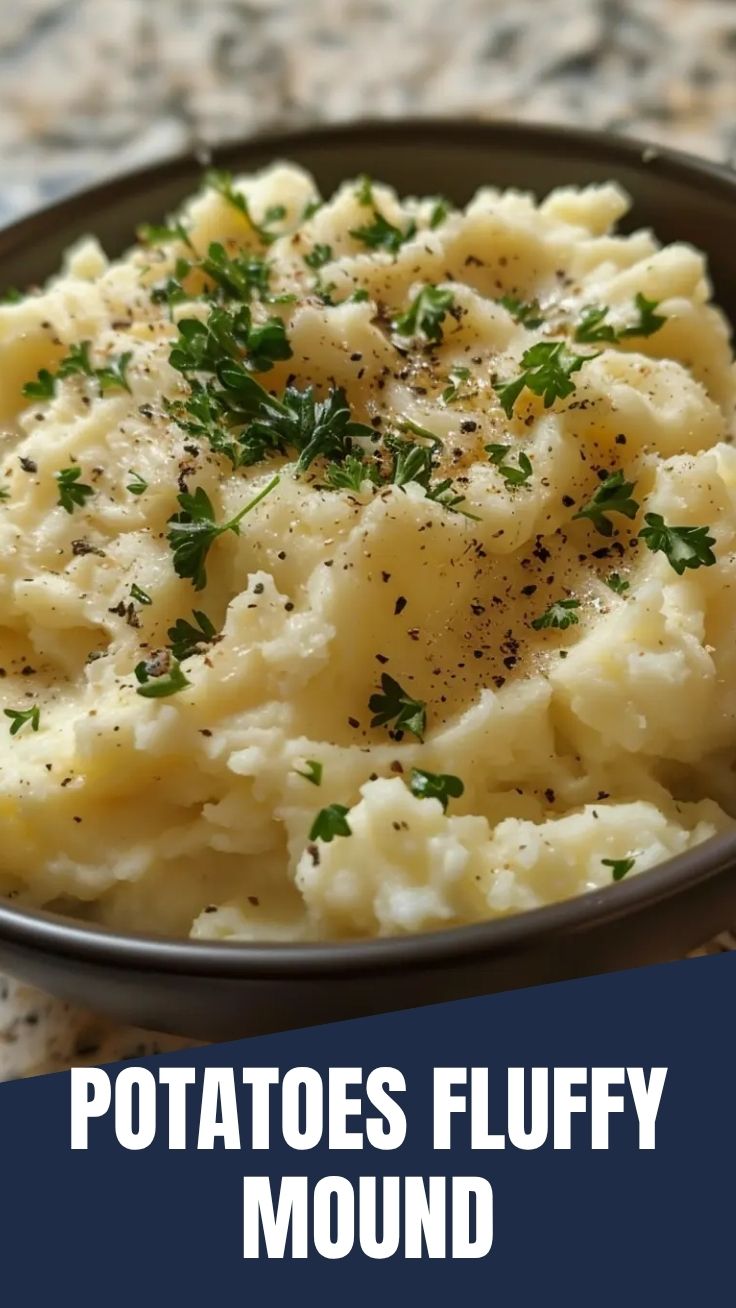
Ever wondered what makes restaurant Mashed Potatoes so irresistibly creamy and delicious? The truth is, achieving that perfect, velvety texture isn’t a dark art reserved for professional chefs. With a few simple techniques and the right ingredients, you can elevate your homemade version from good to extraordinary. This comprehensive guide will walk you through crafting the ultimate mashed potato dish, a perfect side for any meal. Forget those bland, lumpy experiences; this mashed potato recipe promises rich flavor and a consistently smooth, delightful consistency. Preparing this classic at home allows for complete control over ingredients, ensuring a healthier and more personalized dish that perfectly suits your taste buds and dietary needs.
Ingredients & Kitchen Tools
To embark on your journey to perfect mashed potato bliss, gather these essentials:
- 2 lbs Russet Potatoes: (Approximately 4-5 medium-sized) Ideal for mashing due to their starchy content, which yields a fluffy texture.
- ½ cup Unsalted Butter: (1 stick) Adds richness and flavor. Using unsalted butter allows you to control the saltiness of the dish.
- ½ cup Warm Milk or Cream: (Whole milk or heavy cream recommended) Contributes to creaminess and adds moisture. Warmth helps prevent cooling down the potatoes.
- 1 tsp Fine Sea Salt: Enhances the natural flavor of the potatoes. Adjust to taste.
- ¼ tsp Freshly Ground Black Pepper: Adds a subtle peppery kick.
- Optional Garnish: Fresh chives, parsley, or a knob of extra butter for serving.
- Large Pot: For boiling the potatoes.
- Potato Masher or Ricer: A ricer produces the smoothest results, but a masher works well for a slightly chunkier texture. Avoid food processors, as they can make potatoes gluey.
- Large Mixing Bowl: For combining mashed potatoes with other ingredients.
- Measuring Cups & Spoons: For accurate ingredient quantities.
Prep Time & Cooking Schedule
- Prep Time: 15 minutes (peeling and cutting potatoes)
- Cook Time: 20-25 minutes (boiling potatoes)
- Mashing & Finishing: 5-7 minutes
- Total Time: Approximately 40-45 minutes
This recipe is perfect for a weeknight dinner or as an impressive side for a holiday feast. The prep is straightforward, and the active cooking time is minimal, allowing you to focus on other aspects of your meal.
Step-by-Step Instructions
1. Prepare the Potatoes: Wash, peel, and cut the russet potatoes into 1-inch uniform cubes. This ensures even cooking. Place them in your large pot.
2. Boil the Potatoes: Cover the potato cubes with cold water by about an inch. Add a generous pinch of salt to the water (this seasons the potatoes from the inside out). Bring to a boil over high heat, then reduce heat to medium and simmer until fork-tender, about 15-20 minutes.
3. Drain Thoroughly: Once tender, drain the potatoes completely in a colander. Let them sit in the colander for 2-3 minutes, allowing excess steam to escape. This is crucial for preventing watery Mashed Potatoes.
4. Mash the Potatoes: Return the hot, drained potatoes to the dry pot or transfer them to a large mixing bowl. Using a potato masher or ricer, thoroughly mash the potatoes until most lumps are gone. If using a ricer, pass them through twice for extra smoothness.
5. Incorporate Dairy & Seasoning: Add the softened butter, warm milk/cream, salt, and pepper to the mashed potatoes. Gently fold them in with a spatula or spoon until just combined. Overmixing can lead to a gluey texture. Taste and adjust seasoning as needed. For an exceptional mashed potato recipe, ensure the potatoes are still warm when incorporating the butter and milk.
6. Serve: Transfer to a serving dish, garnish with fresh herbs if desired, and serve immediately.
Nutritional Benefits & Advantages
Russet potatoes, the star of this dish, are a good source of Vitamin C, Vitamin B6, potassium, and dietary fiber, especially if you leave some of the skin on (though for classic mashed, we peel them). When prepared with whole milk and butter, this dish offers satisfying energy and can be a comforting part of a balanced meal. Homemade versions allow you to control salt, fat, and add-ins, making them a healthier alternative to many store-bought options.
Tips, Variations & Cooking Advice
- Garlic Mashed Potatoes: Roast a head of garlic, squeeze out the soft cloves, and mash them in with the potatoes.
- Herb Infusion: Infuse your milk with sprigs of rosemary or thyme before warming it. Strain the herbs before adding the milk to the potatoes.
- Cheesy Mashed Potatoes: Stir in shredded cheddar, Gruyère, or Parmesan cheese at the end.
- Dairy-Free: Substitute butter with a plant-based butter alternative and milk with unsweetened almond or oat milk for a delicious dairy-free option.
- Texture Adjustment: For thicker mashed potatoes, use slightly less milk. For thinner, add a bit more warm milk until desired consistency is reached.
Common Mistakes to Avoid
- Overboiling: Potatoes that are too mushy from overboiling will absorb too much water and become watery. Cook until just fork-tender.
- Mashing Cold Potatoes: Always mash while the potatoes are hot. Cold potatoes are harder to mash and result in lumps.
- Using Cold Dairy: Adding cold milk or butter will cool down the potatoes and make them harder to incorporate smoothly.
- Overmixing: Using a food processor or vigorously beating the potatoes can break down their starch cells, leading to a gummy or gluey texture. Gentle mashing or ricing is key.
- Not Seasoning Enough: Potatoes love salt! Don’t be shy; season both the boiling water and the finished product to taste.
Storage & Meal Prep Tips
Leftover Mashed Potatoes can be stored in an airtight container in the refrigerator for 3-4 days.
- Reheating: For best results, gently reheat on the stovetop over low heat, adding a splash of milk or cream and a knob of butter to restore creaminess. You can also microwave them in short bursts, stirring occasionally.
- Freezing: While possible, freezing can alter the texture, making them slightly grainy upon thawing. If you must freeze, allow them to cool completely, then place them in freezer-safe bags or containers for up to 2 months. Thaw in the refrigerator overnight and reheat as above.
Conclusion
Mastering the art of Mashed Potatoes is a culinary triumph that will elevate any meal. By understanding the science behind the starch and following these detailed steps, you can consistently achieve that coveted fluffy, creamy texture and rich flavor. This comprehensive mashed potato recipe provides all the tools you need to create a truly delicious and satisfying side dish every time. Don’t be afraid to experiment with variations and make it your own. We encourage you to try this recipe, share your delicious results in the comments, or explore our other comforting side dish recipes!
FAQs
Q1: Can I use different types of potatoes for mashing?
A1: While Russets are ideal, Yukon Golds also work well for a slightly richer, butterier flavor and smoother texture. Waxy potatoes (like red or new potatoes) are less starchy and tend to result in a pastier mash.
Q2: How do I prevent my mashed potatoes from being lumpy?
A2: Ensuring uniform potato cubes, cooking until very tender, and using a ricer are the best ways to achieve lump-free mashed potatoes. Mashing immediately after draining also helps.
Q3: My mashed potatoes are too dry. What went wrong?
A3: This often happens if you don’t add enough liquid (milk/cream) or butter, or if you overcooked them and they released too much moisture. Add an extra splash of warm milk or a knob of butter, a tablespoon at a time, until the desired consistency is reached.
Q4: Can I make mashed potatoes ahead of time for a party?
A4: Yes, you can. Prepare them up to 2-3 hours in advance and keep them warm in a slow cooker on the “warm” setting, stirring occasionally and adding a little more milk or butter if needed to maintain consistency. Alternatively, reheat as described in the storage tips.