Master the Art of the Homemade Philly Cheesesteak: Your Ultimate Guide
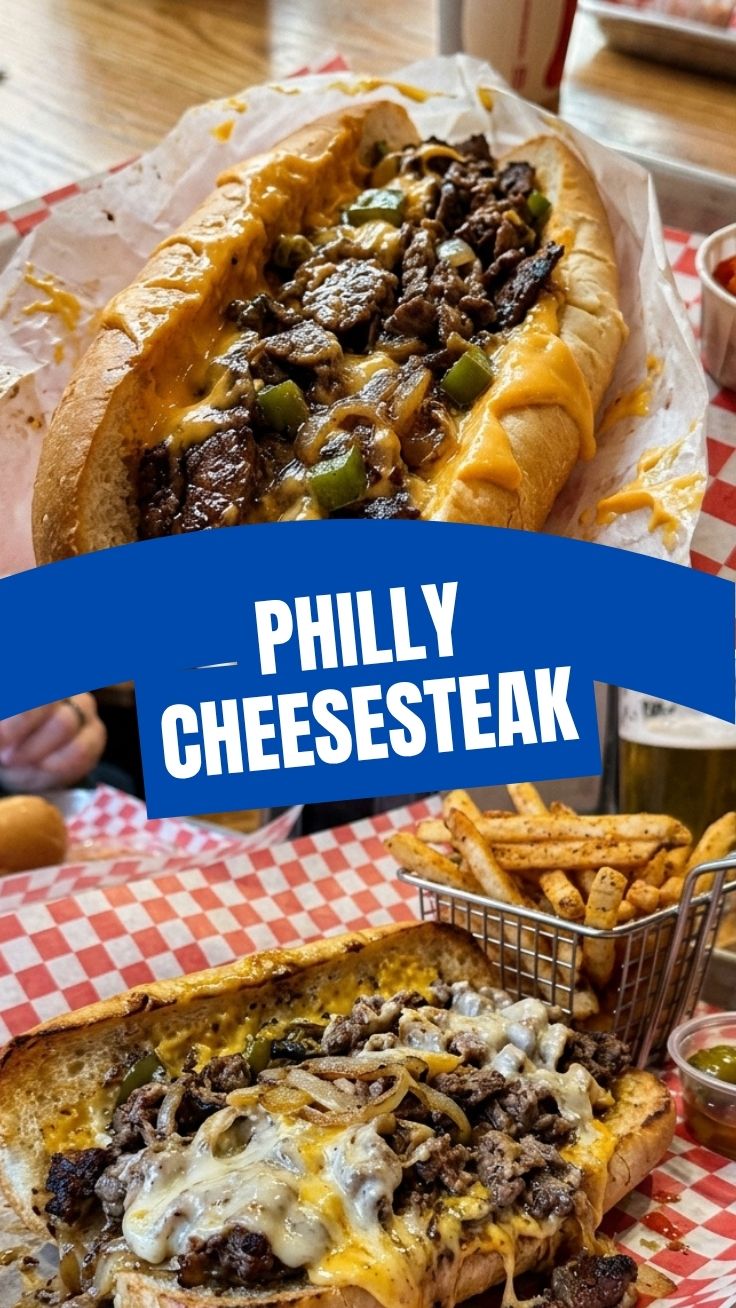
Ever wondered if you could recreate that iconic, mouth-watering experience of a Philly Cheesesteak right in your own kitchen? The answer is a resounding YES! While the aroma alone can transport you to the streets of Philadelphia, achieving that perfect balance of thinly sliced steak, melted cheese, and a soft, crusty roll at home is not only possible but incredibly rewarding. Forget overpriced takeout; this comprehensive guide will empower you to craft a legendary cheesesteak sandwich that rivals the best, ensuring you impress your family and friends with your culinary prowess. Get ready to embark on a delicious journey to homemade perfection!
Ingredients & Kitchen Tools
Here’s what you’ll need to assemble your masterpiece, along with some helpful notes:
- For the Steak:
* 1 ½ lbs thinly sliced ribeye steak: The thinner, the better! Ask your butcher to slice it for you, or partially freeze it at home for easier slicing. This is the heart of your Philly Cheesesteak.
* 1 tbsp olive oil: For sautéing and achieving that perfect sear.
* 1 large yellow onion: Sweetens as it cooks, providing essential flavor and aroma.
* 1 green bell pepper (optional): Adds a touch of freshness and a vibrant color, though traditional cheesesteaks often omit it.
* Salt and freshly ground black pepper: To taste, for seasoning the meat and vegetables.
- For the Cheese:
* 8 slices provolone cheese: Classic choice, offering a mild, creamy melt.
* OR 1 cup Cheez Whiz: The controversial but beloved authentic option for some.
- For the Roll:
* 4-6 hoagie rolls (or sub rolls): Soft on the inside, with a slight chew on the outside. Amoroso rolls are the gold standard if you can find them.
- Kitchen Tools & Utensils:
* Large cast-iron skillet or griddle: Essential for achieving a good sear on the meat.
* Spatula: For flipping and chopping the steak.
* Sharp knife and cutting board: For slicing vegetables and potentially the steak.
* Tongs: For handling ingredients as they cook.
Prep Time & Cooking Schedule
- Prep Time: 15 minutes (slicing steak, chopping onions/peppers).
- Cook Time: 20-25 minutes (sautéing vegetables, cooking steak, assembling sandwiches).
- Total Time: Approximately 40 minutes.
This recipe is perfect for a weeknight dinner or a weekend lunch. The key is to have all your ingredients prepped and ready to go before you start cooking, as the actual cooking process is quite fast.
Step-by-Step Instructions
1. Prepare Your Veggies: Thinly slice the onion and bell pepper (if using). Set aside.
2. Slice the Steak: If your ribeye isn’t pre-sliced, partially freeze it for 20-30 minutes, then slice it against the grain as thinly as possible.
3. Sauté the Onions: Heat olive oil in a large cast-iron skillet or griddle over medium-high heat. Add the sliced onions and cook, stirring occasionally, until softened and lightly caramelized, about 5-7 minutes. Add the bell peppers (if using) and cook for another 3-4 minutes until tender-crisp. Remove the vegetables from the skillet and set aside.
4. Cook the Steak: Increase the heat to high. Add a little more olive oil if needed. Arrange a single layer of thinly sliced ribeye steak in the hot skillet. Cook for 1-2 minutes per side until browned, then use your spatula to chop the steak into smaller, bite-sized pieces while it finishes cooking. Season generously with salt and pepper. This rapid browning is crucial for a flavorful Philly Cheesesteak.
5. Combine and Cheese: Return the cooked onions and peppers to the skillet with the steak. Mix everything together. Divide the mixture into sections on the skillet (one for each sandwich you’re making).
6. Melt the Cheese: Lay 2 slices of provolone cheese over each section of the steak and vegetable mixture. If using Cheez Whiz, spoon it generously over the mixture. Cover the skillet with a lid or foil for 1-2 minutes to allow the cheese to melt and become wonderfully gooey, creating that perfect cheesesteak sandwich filling.
7. Assemble the Sandwich: While the cheese is melting, lightly toast your hoagie rolls if desired. Carefully scoop the cheesy steak mixture onto the opened hoagie rolls. Serve immediately!
Nutritional Benefits & Advantages
While a Philly Cheesesteak might be seen as an indulgence, it offers some noteworthy nutritional points. Ribeye steak is an excellent source of protein, essential for muscle repair and growth, as well as iron, which is vital for energy and preventing anemia. Onions and bell peppers contribute dietary fiber, vitamins (like Vitamin C from the bell pepper), and antioxidants. When prepared fresh at home, you have control over the quality of ingredients and can opt for lean cuts of meat and whole-grain rolls to boost the nutritional profile while still enjoying the rich flavors.
Tips, Variations & Cooking Advice
- Steak Selection: While ribeye is traditional, sirloin or even thinly sliced deli roast beef can work in a pinch.
- Cheese Alternatives: Beyond provolone and Cheez Whiz, American cheese is another popular choice for its melt factor. You can also experiment with white cheddar for a sharper flavor.
- Roll Perfection: If you can’t find Amoroso rolls, look for sturdy sub rolls that can hold up to the juicy filling without becoming soggy.
- Flavor Boosters: A dash of Worcestershire sauce or a pinch of garlic powder can add depth to the steak.
- Spice It Up: Add a few sliced jalapeños or a sprinkle of red pepper flakes to the cooking vegetables for a kick.
- Vegetarian Option: Portobello mushrooms or thinly sliced seitan can be a fantastic vegetarian substitute for the steak.
Common Mistakes to Avoid
- Overcrowding the Skillet: This lowers the temperature, steaming the meat instead of searing it, leading to a gray, less flavorful steak. Cook in batches if necessary.
- Overcooking the Steak: Ribeye cooks quickly. Overcooking will make it tough and dry. Aim for tender, juicy slices.
- Using the Wrong Roll: A flimsy hot dog bun won’t cut it. You need a robust roll that can absorb the juices without falling apart.
- Skimping on Seasoning: Don’t be shy with salt and pepper on the meat. It enhances the flavor significantly.
- Cold Rolls: A lightly toasted or warmed roll makes a huge difference in the overall experience.
Storage & Meal Prep Tips
Homemade Philly Cheesesteak is best enjoyed fresh, but if you have leftovers, store the steak and vegetable mixture separately from the rolls. Place the cooled mixture in an airtight container in the refrigerator for up to 3 days.
Reheating: Reheat the steak mixture in a skillet over medium heat until warmed through. You can add a splash of water or broth to prevent drying out. Melt fresh cheese on top before serving on a freshly toasted roll. Freezing is not recommended as the steak can become tough upon reheating.
Conclusion
There you have it – your definitive guide to creating an authentic and utterly delicious Philly Cheesesteak right in your own kitchen. This recipe proves that with quality ingredients and a few expert tips, you can elevate your home cooking to restaurant-quality levels. Whether you’re a seasoned chef or a kitchen novice, mastering this classic cheesesteak sandwich is an achievable and incredibly satisfying endeavor. Don’t just dream about that perfect bite; go ahead and make it a reality! Try out this recipe and share your results in the comments below – we’d love to hear about your cheesesteak journey!
FAQs
Q1: Can I use pre-sliced steak from the grocery store?
A1: Yes, if you can find very thinly sliced beef, it will work. However, often these slices are thicker than ideal. If so, chop them into smaller pieces for easier eating.
Q2: What’s the best way to melt the cheese if I don’t have a lid for my skillet?
A2: You can use a piece of aluminum foil to cover the portion of the skillet with the cheesed steak, creating a sort of makeshift lid that traps the heat and melts the cheese.
Q3: Can I make this ahead for a party?
A3: You can pre-slice all the ingredients (steak, onions, peppers) and have them ready. The actual cooking and assembly should be done just before serving to ensure the best texture and flavor.
Q4: Is Cheez Whiz really authentic for a Philly Cheesesteak?
A4: Absolutely! While many prefer provolone, Cheez Whiz is a long-standing and beloved option at many iconic Philly cheesesteak establishments. It provides a distinct, creamy, and salty flavor that some argue is the true essence of a “whiz wit” (with onions) or “whiz wit-out” (without onions) cheesesteak.