Savor the Comfort: Crafting the Perfect Hearty Beef Stew at Home
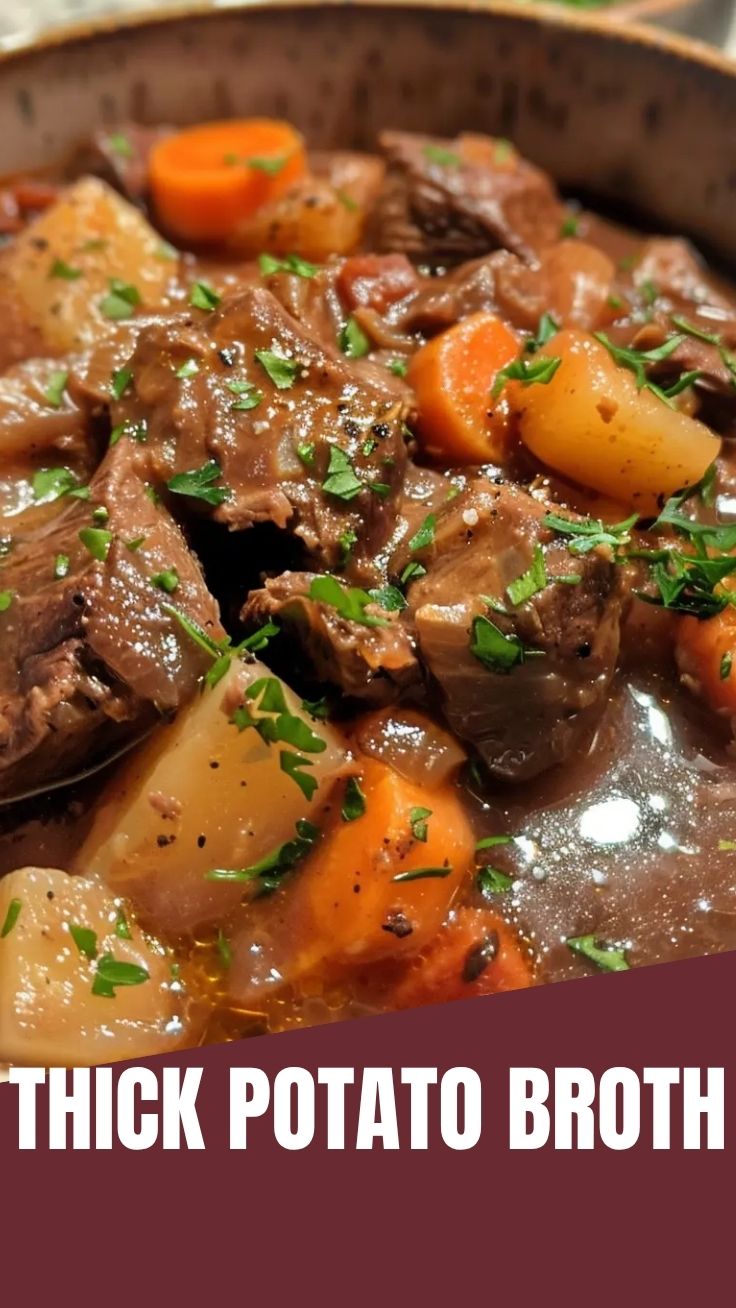
Are you tired of bland, uninspiring weeknight meals? Craving a dish that feels like a warm hug in a bowl? Look no further than a homemade, hearty Beef Stew. There’s an undeniable magic in preparing this classic comfort food from scratch – the aroma alone can transform your kitchen into a culinary sanctuary. Beyond the enchanting scent, crafting this Recipe at home offers unparalleled control over ingredients, ensuring a wholesome, flavorful experience tailored to your exact preferences. Ditch the pre-made and embrace the satisfaction of creating a meal that nourishes both body and soul.
Ingredients & Kitchen Tools
To embark on your stew-making adventure, gather these essentials:
2 lbs Beef Chuck, cut into 1-inch cubes: A foundational cut for stewing, as it breaks down beautifully, becoming tender and flavorful.*
2 tbsp Olive Oil: For browning the beef and sautéing aromatics.*
1 large Yellow Onion, chopped: Adds a sweet and savory base flavor.*
3 cloves Garlic, minced: Essential aromatic for depth and pungency.*
4 cups Beef Broth: The liquid base, contributing rich, savory notes. Low-sodium is always a good option.*
1 cup Red Wine (e.g., Cabernet Sauvignon, Merlot): Adds complexity and helps tenderize the meat. Optional, but highly recommended.*
1 (14.5 oz) can Diced Tomatoes, undrained: Provides acidity and a slight tang, balancing the richness.*
2 large Carrots, peeled and chopped: Sweetness and vibrant color, full of vitamins.*
2 large Celery Stalks, chopped: Adds aromatic depth and a subtle earthy flavor.*
1.5 lbs Yukon Gold Potatoes, peeled and cubed: Starchy and delicious, they thicken the stew and provide substance.*
1 tsp Dried Thyme: Earthy, aromatic herb classic in stews.*
1 Bay Leaf: Infuses a subtle, herbal note that enhances the overall flavor.*
Salt and Freshly Ground Black Pepper, to taste: Fundamental seasonings for balancing and enhancing flavors.*
2 tbsp All-Purpose Flour (optional, for thickening): Creates a roux for a thicker, more luxurious broth.*
Fresh Parsley, chopped (for garnish): Adds freshness and a pop of color at the end.*
Kitchen Tools:
Large Dutch Oven or Heavy-Bottomed Pot: Ideal for even heat distribution and slow cooking.*
Cutting Board and Sharp Knife: For efficient and safe ingredient preparation.*
Measuring Cups and Spoons: For accurate ingredient ratios.*
Wooden Spoon or Spatula: For stirring and scraping the pot.*
Prep Time & Cooking Schedule
- Prep Time: 25-30 minutes (This includes chopping all vegetables and cubing the beef.)
- Cook Time: 2.5 – 3 hours (This recipe benefits from a slow simmer, allowing the beef to become incredibly tender and the flavors to meld beautifully. If using a Crock-Pot, cook on low for 6-8 hours or high for 3-4 hours.)
- Resting Time: 10 minutes (Allowing the stew to rest briefly off the heat helps the flavors settle and thickens the broth slightly.)
Planning ahead is key! This is a perfect weekend project or a make-ahead meal for busy weeknights, as it often tastes even better the next day.
Step-by-Step Instructions
1. Sear the Beef: Pat the beef cubes dry with paper towels. Season generously with salt and pepper. Heat olive oil in a large Dutch oven over medium-high heat. Brown the beef in batches, ensuring not to overcrowd the pot. This step is crucial for developing deep, rich flavor. Remove browned beef and set aside.
2. Sauté Aromatics: Add the chopped onion to the pot and cook until softened, about 5-7 minutes. Add the minced garlic and cook for another minute until fragrant.
3. Deglaze (Optional, but Recommended): Pour in the red wine, scraping up any browned bits from the bottom of the pot. Cook for 2-3 minutes, allowing the alcohol to evaporate.
4. Combine Ingredients: Return the beef to the pot. Stir in the beef broth, diced tomatoes, carrots, celery, dried thyme, and bay leaf. If you prefer a thicker stew, sprinkle in the flour over the beef and vegetables before adding the liquids, stirring to coat. Bring the mixture to a simmer.
5. Simmer and Tenderize: Once simmering, reduce the heat to low, cover the pot, and let it cook for at least 1.5 hours, or until the beef begins to tenderize.
6. Add Potatoes: Add the cubed potatoes to the pot. Continue to simmer, covered, for another 45-60 minutes, or until the potatoes are fork-tender and the Beef Stew is thick and rich.
7. Final Adjustments: Remove the bay leaf. Taste and adjust seasoning with salt and pepper as needed. For this wholesome Recipe, ensuring balanced flavors is paramount.
8. Serve: Ladle into bowls, garnish with fresh parsley, and serve hot.
Nutritional Benefits & Advantages
This hearty Beef Stew is a nutritional powerhouse. Beef chuck is an excellent source of protein, essential for muscle repair and growth, and provides vital iron and zinc. The array of vegetables—carrots, celery, and potatoes—contribute a wealth of vitamins, minerals, and dietary fiber, promoting digestive health and sustained energy. Tomatoes add lycopene, an antioxidant. This meal is not only satisfying but also provides a balanced profile of macronutrients and micronutrients, making it a wholesome choice for a family dinner.
Tips, Variations & Cooking Advice
- Thickening Options: For a thicker stew without flour, mash a few cooked potatoes against the side of the pot or add a cornstarch slurry (1 tbsp cornstarch mixed with 1 tbsp cold water) at the end, stirring until thickened.
- Herb Variations: Experiment with other herbs like rosemary or marjoram for different aromatic profiles.
- Vegetable Swaps: Feel free to add other root vegetables like parsnips or turnips, or even some frozen peas and corn in the last 15 minutes of cooking for extra texture and color.
- Slow Cooker Adaptation: After searing the beef and sautéing the aromatics, transfer everything to a slow cooker. Cook on low for 6-8 hours or on high for 3-4 hours. Add the potatoes during the last 2-3 hours on low, or 1-1.5 hours on high.
- Gluten-Free: Ensure your beef broth is gluten-free and omit the flour, or use a gluten-free thickener like cornstarch.
Common Mistakes to Avoid
- Not Browning the Beef: Skipping this step dramatically reduces the depth of flavor in your stew. Browning creates a delicious crust and caramelization.
- Overcrowding the Pan: When browning beef, work in batches. Overcrowding lowers the pan’s temperature, steaming the meat instead of searing it.
- Not Simmering Long Enough: Rushing the cooking process will result in tough beef. True stew meat needs time to break down and become tender.
- Improper Seasoning: Always taste and adjust seasoning throughout the cooking process and especially at the end. Stews can absorb a lot of salt.
- Adding Potatoes Too Early: If added too soon, potatoes can become mushy. Add them when the beef is mostly tender.
Storage & Meal Prep Tips
This Beef Stew is fantastic for meal prep!
- Refrigeration: Store cooled leftovers in airtight containers in the refrigerator for up to 3-4 days. The flavors often deepen overnight.
- Freezing: Stew freezes exceptionally well. Allow it to cool completely, then transfer to freezer-safe containers or heavy-duty freezer bags. It can be stored in the freezer for up to 3 months. Thaw overnight in the refrigerator before reheating.
- Reheating: Reheat gently on the stovetop over medium-low heat, stirring occasionally, until heated through. You may need to add a splash of broth or water to thin if it’s too thick.
Conclusion
Mastering a classic, comforting Beef Stew is a culinary triumph that will reward you with bowls of pure deliciousness. This robust and flavorful Recipe is more than just a meal; it’s an experience, a journey into the heart of home cooking. We encourage you to try this recipe, savor the rich aromas, and delight in the tender results. Share your stew creations with us, or explore our other comforting recipes designed to warm your home and your soul!
FAQs
Q1: Can I make this stew in a slow cooker?
A1: Absolutely! After searing the beef and sautéing the aromatics, transfer all ingredients to your slow cooker. Cook on low for 6-8 hours or on high for 3-4 hours. Add potatoes for the last 1.5-2 hours of cooking on low, or 45-60 minutes on high.
Q2: What’s the best type of beef for stew?
A2: Beef chuck roast is ideal. It has enough fat and connective tissue to break down beautifully into tender, succulent pieces during slow cooking. Other good options include beef round or short ribs.
Q3: How can I make my stew broth thicker without flour?
A3: If you prefer not to use flour, you can mash a portion of the cooked potatoes against the side of the pot to naturally thicken the stew. Alternatively, create a slurry with 1-2 tablespoons of cornstarch mixed with an equal amount of cold water, then stir it into the simmering stew during the last 15 minutes of cooking until it thickens.
Q4: Can I add other vegetables?
A4: Yes! Feel free to customize. Root vegetables like parsnips, turnips, or even butternut squash cubes work well. Frozen peas and corn can be stirred in during the last 10-15 minutes of cooking.
Q5: My stew beef is still tough. What went wrong?
A5: Beef stew requires time. If your beef is tough, it simply needs more cooking time at a low, gentle simmer. Continue to cook, covered, until it reaches your desired tenderness. Patience is key for truly fork-tender stew meat.