Unlock the Secret to Perfect Baked Salmon: A Culinary Journey
Ever wondered how to consistently achieve that flaky, moist, and utterly delicious Baked Salmon at home without the guesswork? The answer lies in mastering a few simple, yet crucial, techniques. Preparing salmon yourself isn’t just about saving money; it’s about controlling the quality of your ingredients, customizing flavors to your palate, and enjoying the immense satisfaction of creating a restaurant-quality meal in your own kitchen. This guide will walk you through everything you need to know to transform a simple salmon fillet into a culinary masterpiece, rivaling even the smoky allure of perfectly cooked Cedar Plank Salmon. Get ready to elevate your home cooking!
Ingredients & Kitchen Tools
Salmon Fillets (4, 6 oz each): Fresh or frozen (thawed), skin-on or off, depending on preference. Look for vibrant color and firm flesh.*
Olive Oil (2 tbsp): Extra virgin for flavor and a healthy fat. Can substitute with avocado oil.*
Lemon (1, medium): For juice and zesting, adding brightness. Always have fresh lemons on hand.*
Garlic (3 cloves): Minced, for aromatic depth. Pre-minced garlic works in a pinch.*
Fresh Dill (2 tbsp, chopped): Essential herb for salmon. Dried dill can be used, but use half the amount.*
Salt (1 tsp): Kosher or sea salt, to enhance flavors. Adjust to taste.*
Black Pepper (½ tsp): Freshly ground for best flavor. Pre-ground is fine.*
Optional – Brown Sugar (1 tsp): For a subtle hint of sweetness and caramelization. Great for a glazed finish.*
- Baking Sheet: Large enough to accommodate salmon without overcrowding.
- Parchment Paper or Aluminum Foil: For easy cleanup and preventing sticking.
- Small Bowl: For mixing seasoning.
- Whisk or Fork: To combine ingredients.
- Meat Thermometer: Crucial for ensuring perfect doneness.
Prep Time & Cooking Schedule
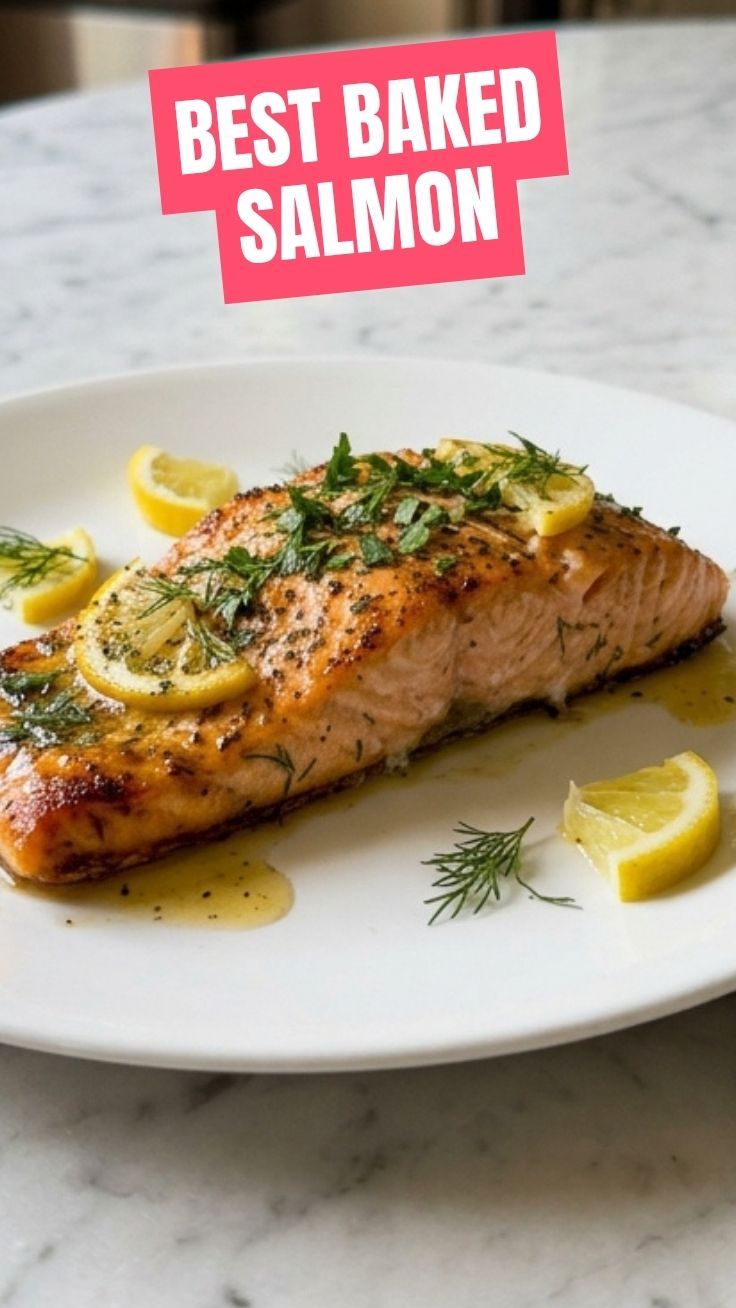
- Prep Time: 10 minutes
- Cook Time: 12-18 minutes
- Resting Time: 5 minutes
This recipe is designed for a quick and impressive weeknight meal or a relaxed weekend dinner. The minimal prep time means you can get dinner on the table in under 30 minutes, freeing up your evening for other activities. The resting time is crucial for allowing the juices to redistribute, ensuring a moist and tender result.
Step-by-Step Instructions
1. Preheat Oven & Prep Baking Sheet: Preheat your oven to 400°F (200°C). Line a baking sheet with parchment paper or aluminum foil for easy cleanup.
2. Prepare Salmon: Pat salmon fillets dry with paper towels. This helps achieve a crispier skin (if left on) and ensures seasonings adhere properly. Place the fillets, skin-side down (if applicable), on the prepared baking sheet, leaving some space between each.
3. Create Seasoning Mixture: In a small bowl, whisk together the olive oil, minced garlic, lemon juice, lemon zest, chopped fresh dill, salt, and black pepper. If using, add the brown sugar to this mixture.
4. Season Salmon: Spoon or brush the seasoning mixture evenly over the top of each salmon fillet. Ensure a good coating, allowing the flavors to penetrate the fish.
5. Bake to Perfection: Transfer the baking sheet to the preheated oven. Bake for 12-18 minutes, depending on the thickness of your fillets and your desired doneness. The fish is cooked when it flakes easily with a fork and reaches an internal temperature of 145°F (63°C). Achieving a perfectly cooked Baked Salmon is all about precise temperature control, much like the delicate balance perfected in a Cedar Plank Salmon preparation.
6. Rest and Serve: Once cooked, remove the salmon from the oven and let it rest on the baking sheet for 5 minutes. This allows the juices to redistribute, resulting in a more succulent and flavorful fish. Serve immediately with your favorite side dishes.
Nutritional Benefits & Advantages
Salmon is a powerhouse of nutrition, packed with heart-healthy Omega-3 fatty acids, which are crucial for brain function, reducing inflammation, and lowering the risk of chronic diseases. It’s also an excellent source of high-quality protein, essential for muscle repair and growth, and rich in B vitamins, contributing to energy production and overall well-being. This preparation method maintains these vital nutrients, offering a lean, satisfying, and incredibly healthy meal option.
Tips, Variations & Cooking Advice
- Flavor Variations: Experiment with different herbs like parsley, chives, or thyme. Add a pinch of smoked paprika for a subtle smoky flavor, or a touch of red pepper flakes for heat.
- Ingredient Swaps: Substitute lemon with lime or orange for a different citrus note.
- Alternative Cooking Methods: While baking is fantastic, this seasoning works wonders for grilling or pan-searing too! Adjust cooking times accordingly.
- Portion Control: This recipe scales easily; simply adjust ingredient quantities based on the number of fillets.
- Dietary Adaptations: This recipe is naturally gluten-free and dairy-free.
Common Mistakes to Avoid
- Overcooking: The most common mistake! Salmon dries out quickly. Use a meat thermometer and remove it from the oven as soon as it reaches 145°F (63°C).
- Not Patting Dry: Wet salmon struggles to develop a good crust and won’t absorb seasonings as effectively.
- Overcrowding the Pan: Too many fillets on one sheet lead to steaming, not baking, resulting in a less desirable texture. Give each fillet space.
- Ignoring Resting Time: This crucial step ensures juicy, tender salmon. Don’t skip it!
Storage & Meal Prep Tips
Leftover baked salmon can be stored in an airtight container in the refrigerator for up to 3 days. It’s excellent flaked over salads, in sandwiches, or added to pasta dishes. To reheat, gently warm in the microwave on a low setting or in a preheated oven at 275°F (135°C) until just warmed through, to avoid drying it out. Freezing cooked salmon is not recommended as it can significantly alter the texture upon thawing and reheating.
Conclusion
Mastering a perfectly cooked Baked Salmon is a truly rewarding culinary skill, adding a versatile, healthy, and delicious dish to your repertoire. With this comprehensive guide, you’re now equipped to create a moist, flavorful fillet every time, rivalling the delightful complexity of a expertly prepared Cedar Plank Salmon. Don’t hesitate to experiment with the suggested variations to make this recipe uniquely yours. We encourage you to try this recipe tonight, share your results in the comments below, and let us know your favorite ways to enjoy this incredible fish!
FAQs
Q1: How do I know when my salmon is perfectly cooked without a thermometer?
A1: The salmon is done when it easily flakes with a fork at its thickest part and the flesh turns opaque throughout. Avoid cooking until it’s completely white and dry.
Q2: Can I use frozen salmon?
A2: Yes, absolutely! Just ensure it’s fully thawed in the refrigerator overnight before preparing. Pat it very dry before seasoning.
Q3: What are some good side dishes to pair with baked salmon?
A3: Roasted asparagus, steamed green beans, quinoa, wild rice, or a simple garden salad are all excellent choices that complement the rich flavor of salmon beautifully.
Q4: How can I make this recipe spicier?
A4: Add a pinch of red pepper flakes to the seasoning mixture, or a dash of hot sauce before serving for an extra kick.
Q5: My salmon skin got stuck to the parchment paper. What can I do?
A5: Ensure your parchment paper isn’t too old, as its non-stick properties can diminish. A little oil on the parchment itself, or a light spray of cooking oil, can also help. If you’re having persistent trouble, consider baking skin-side up for the last few minutes to crisp the skin.