Master the Art of the Perfect Turkey Breast for Any Occasion
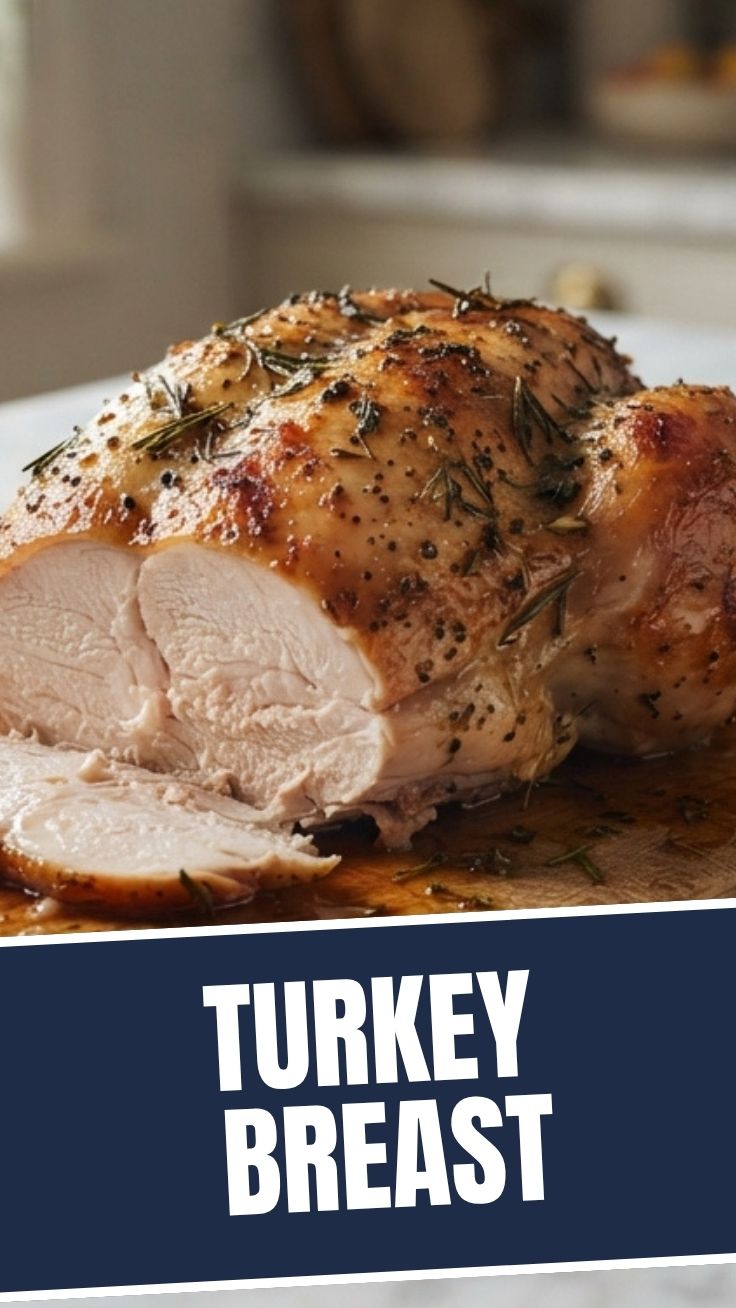
Ever wonder how to achieve that perfectly juicy, flavorful Turkey Breast without the fuss of a whole bird? Whether you’re hosting a holiday dinner, planning a celebratory meal, or simply craving a delicious and healthy weeknight option, mastering a stellar Turkey Breast recipe is an invaluable skill. This guide will walk you through crafting a succulent centerpiece that’s not only impressive but also incredibly versatile, offering endless possibilities from a glorious main dish to an incredible base for a gourmet Turkey Sandwich. Preparing it at home means you control the quality of ingredients, the seasoning, and the cooking method, guaranteeing a more wholesome and personalized result than any store-bought alternative. Say goodbye to dry, bland turkey and hello to a culinary triumph!
Ingredients & Kitchen Tools
To embark on this gourmet journey, gather the following:
Ingredients:
- 2-3 lb Boneless, Skin-on Turkey Breast: The star of our show, skin-on ensures moisture and flavor. Look for an all-natural, hormone-free option if possible.
- 2 tbsp Olive Oil: For searing and promoting a golden-brown crust. Extra virgin is preferred for its flavor.
- 1 tbsp Fresh Rosemary (chopped): Aromatic herb that pairs beautifully with poultry, providing earthy, pine-like notes.
- 1 tsp Fresh Thyme (chopped): Adds subtle, savory undertones.
- 1 tsp Garlic Powder: Provides an alliums foundation without the risk of burning fresh minced garlic.
- 1 tsp Smoked Paprika: Adds depth, a hint of smokiness, and a lovely reddish hue.
- ½ tsp Black Pepper (freshly ground): Essential for a pungent, aromatic kick.
- 1 tsp Kosher Salt (or to taste): Enhances all flavors; kosher salt has larger crystals that dissolve evenly.
- ½ cup Chicken or Vegetable Broth: For deglazing and creating a flavorful pan sauce. Low sodium is recommended.
- Optional: 1 Lemon (sliced): Adds bright, zesty notes when roasted alongside the turkey.
- Optional: 2 tbsp Unsalted Butter: For basting and enriching the pan sauce, enhancing the overall richness.
Kitchen Tools:
- Roasting Pan with Rack: Crucial for even air circulation around the turkey, preventing the bottom from getting soggy.
- Meat Thermometer (instant-read): Non-negotiable for ensuring the turkey is cooked to a safe internal temperature (165°F/74°C) without overcooking.
- Large Skillet (oven-safe, e.g., cast iron): Ideal for searing the turkey breast before roasting, locking in juices.
- Tongs: For safely handling and turning the hot turkey breast.
- Small Bowl: For mixing the seasoning blend.
- Whisk: For making the pan sauce.
- Aluminum Foil: For resting the turkey, allowing juices to redistribute.
Prep Time & Cooking Schedule
Planning is key to a stress-free cooking experience!
- Prep Time: 15 minutes (active seasoning and searing)
- Cook Time: 60-90 minutes (depending on breast size)
- Resting Time: 15-20 minutes
Planning Context: You can prepare the seasoning blend ahead of time. Allow the turkey breast to come to room temperature for about 30 minutes before cooking for more even results. This recipe can be made in advance for meal prep, and the cooked turkey stores well for delicious leftovers, perfect for a quick Turkey Sandwich.
Step-by-Step Instructions
1. Preheat & Prepare: Preheat your oven to 375°F (190°C). Pat the Turkey Breast thoroughly dry with paper towels. This is crucial for achieving crispy skin.
2. Seasoning Blend: In a small bowl, combine olive oil, chopped rosemary, thyme, garlic powder, smoked paprika, black pepper, and kosher salt. Mix well to form a paste.
3. Season the Turkey: Rub the seasoning paste all over the turkey breast, ensuring it’s evenly coated, including under the skin if desired for extra flavor infusion.
4. Sear for Color & Flavor: Heat an oven-safe skillet (like cast iron) over medium-high heat. Once hot, place the turkey breast skin-side down in the skillet. Sear for 5-7 minutes until the skin is beautifully golden brown and crispy. This step creates incredible depth of flavor and texture.
5. Roast to Perfection: Flip the Turkey Breast, skin-side up. If using, arrange lemon slices around the turkey in the pan. Transfer the skillet to the preheated oven.
6. Monitor & Baste (Optional): Roast for 60-90 minutes, or until an instant-read meat thermometer inserted into the thickest part of the breast registers 165°F (74°C). If using butter, you can baste the turkey every 20-30 minutes during roasting to enhance moisture and browning.
7. Rest & Slice: Once cooked, remove the turkey from the oven and transfer it to a cutting board. Tent loosely with aluminum foil and let it rest for 15-20 minutes. This resting period is essential as it allows the juices to redistribute throughout the meat, ensuring a tender and succulent final product, whether you’re serving it as a main course or planning for a delightful Turkey Sandwich later.
8. Make Pan Sauce (Optional): While the turkey rests, place the skillet back on the stovetop over medium heat. Add chicken broth to deglaze the pan, scraping up any browned bits from the bottom. Simmer for a few minutes until slightly reduced. Whisk in butter if using.
9. Serve: Slice the rested Turkey Breast against the grain and serve with the pan sauce.
Nutritional Benefits & Advantages
This Turkey Breast recipe isn’t just delicious; it’s also a powerhouse of nutrition. Turkey breast is an excellent source of lean protein, crucial for muscle repair and growth, satiety, and overall health. It’s rich in B vitamins (especially Niacin and B6), which are vital for energy metabolism and nervous system function. Additionally, turkey provides essential minerals like selenium (an antioxidant), zinc (for immune health), and phosphorus (for bone health). Opting for skin-on and cooking it at home allows you to control fat content and sodium, making it a healthier alternative to many processed meats.
Tips, Variations & Cooking Advice
- Flavor Variations: Experiment with different herb blends like sage and marjoram, or add a touch of citrus zest (orange or lime) to the seasoning. For a spicier kick, include a pinch of cayenne pepper.
- Brining: For an exceptionally juicy turkey breast, consider a short brine (2-4 hours) before seasoning and cooking. A simple brine of water, salt, sugar, and aromatics works wonders.
- Air Fryer Method: For smaller turkey breasts (1-1.5 lbs), an air fryer can yield incredibly crispy skin and juicy meat. Cook at 350°F (175°C) for 30-45 minutes, flipping halfway, until 165°F (74°C).
- Stuffing: While this recipe focuses on simplicity, you can loosely stuff the cavity (if your breast has one) with aromatics like onion, celery, and apple for added flavor.
- Gluten-Free/Dairy-Free: This recipe is naturally gluten-free. To make it dairy-free, simply omit the optional butter from basting and the pan sauce, or use a dairy-free butter alternative.
Common Mistakes to Avoid
- Not Patting Dry: Failing to pat the turkey breast dry prevents crispy skin and can lead to steaming instead of searing.
- Overcooking: The most common mistake! Turkey breast can dry out quickly. Always use an instant-read thermometer and remove it promptly when it reaches 165°F (74°C). Remember, it will continue to cook a few degrees as it rests.
- Not Resting: Slicing the turkey immediately after cooking causes all the delicious juices to run out, resulting in dry meat. Always allow adequate rest time.
- Ignoring Pan Drippings: Those browned bits at the bottom of the pan are flavor gold! Deglaze properly to create a rich pan sauce.
Storage & Meal Prep Tips
- Refrigeration: Leftover Turkey Breast should be stored in an airtight container in the refrigerator for up to 3-4 days.
- Freezing: For longer storage, slice the cooked turkey, portion it into freezer-safe bags or containers, and freeze for up to 3 months. Thaw overnight in the refrigerator before reheating.
- Reheating: To maintain moisture, reheat sliced turkey breast gently in the oven (covered with foil and a splash of broth) at 300°F (150°C) until warm, or briefly in the microwave. Avoid high heat, which can dry it out.
- Meal Prep Ideas: Leftovers are fantastic for meal prep! Think turkey salads, grain bowls, wraps, and, of course, the quintessential Turkey Sandwich.
Conclusion
Mastering a perfectly cooked, succulent Turkey Breast is an achievable culinary goal that yields incredibly rewarding results. With this comprehensive guide, you now have all the tools and techniques to create a moist, flavorful centerpiece that’s sure to impress, whether for a special occasion or a wholesome weeknight dinner. From its impressive presentation to its versatile leftovers, envisioning a gourmet Turkey Sandwich as a future meal, this recipe is a true game-changer. Don’t hesitate—give this recipe a try and share your glowing results in the comments below! What’s your favorite way to enjoy leftover turkey?
FAQs
Q1: Can I use a bone-in turkey breast for this recipe?
A1: Yes, you can! A bone-in turkey breast will take longer to cook, typically an extra 15-30 minutes, but the bone can also add extra flavor and help retain moisture. Adjust cooking time and always use a meat thermometer inserted away from the bone.
Q2: How do I prevent the skin from getting soggy during roasting?
A2: The key is to pat the skin very dry before seasoning and searing it in a hot skillet first, as instructed. Roasting on a rack also helps air circulate, preventing sogginess. Avoid basting the skin too frequently with liquids, as this can make it less crispy.
Q3: What if I don’t have fresh herbs?
A3: If fresh herbs aren’t available, you can substitute with dried herbs. Use about half the amount of dried herbs compared to fresh (e.g., ½ tsp dried rosemary for 1 tsp fresh). Dried herbs are more potent.
Q4: Can I marinate the turkey breast overnight?
A4: Absolutely! A liquid marinade (like a buttermilk or citrus-herb marinade) can add tremendous flavor and tenderness. Ensure it’s acidic enough but not too long (no more than 12-24 hours) to avoid making the meat mushy. Pat dry thoroughly before searing and roasting.
Q5: My turkey breast turned out dry. What went wrong?
A5: The most common culprit for dry turkey is overcooking. Even a few degrees past 165°F (74°C) can make a big difference. Invest in a reliable instant-read thermometer and remove the turkey from the oven as soon as it hits the target temperature. Remember the crucial resting step ensures juices redistribute, preventing dryness.