Unlocking the Secrets of Perfect Tamales: A Step-by-Step Guide to Homemade Bliss
Ever wondered if you could master the art of making Tamales (Traditional) in your own kitchen? The thought of crafting those tender, flavorful bundles might seem daunting, but imagine the satisfaction of serving a dish rich in history and flavor. Preparing Tamales (Traditional) at home isn’t just about cooking; it’s about connecting with a culinary heritage, creating cherished memories, and savoring the authentic taste of Mexico. This dish, deeply rooted in Authentic Mexican Food, offers a delightful journey for your palate, far surpassing any store-bought alternative. Let’s dive into a comprehensive guide to help you create truly unforgettable tamales.
Ingredients & Kitchen Tools
Crafting the perfect tamales requires a balanced blend of ingredients and the right tools. Here’s what you’ll need:
For the Masa (Dough):
- 3 cups masa harina for tamales: (Not regular masa harina; this specific kind is coarser and rehydrates better for tamales.)
- 2 ½ cups warm chicken or vegetable broth: (Adds flavor and moisture to the masa.)
- 1 cup lard or vegetable shortening, softened: (Essential for light, fluffy masa; shortening is a vegan alternative.)
- 1 ½ teaspoons baking powder: (Creates airiness and a tender texture.)
- 1 teaspoon salt: (Enhances overall flavor.)
- ½ teaspoon ground cumin (optional): (Adds an earthy and aromatic note.)
For the Filling (Pork in Red Chile Sauce):
- 2 lbs pork shoulder, cut into 2-inch chunks: (Yields tender, flavorful shredded pork.)
- 1 large onion, quartered: (For simmering the pork and adding flavor.)
- 4 cloves garlic, smashed: (Aromatic base for the pork.)
- 1 tablespoon salt: (Seasoning for the pork.)
- 10-12 dried guajillo chiles, stemmed and seeded: (Provides a mild, fruity, and slightly smoky red sauce.)
- 4-5 dried ancho chiles, stemmed and seeded: (Adds a deeper, richer, and slightly spicier flavor.)
- 1 can (14.5 oz) diced tomatoes: (Balances the chile flavors and adds acidity.)
- 1 teaspoon dried oregano: (Classic Mexican seasoning.)
- ½ teaspoon ground cumin: (Echoes the masa seasoning and enhances richness.)
For Assembly & Steaming:
- 40-50 dried corn husks: (Soaked and drained, these impart a distinct flavor and shape to the tamales.)
Kitchen Tools:
- Large mixing bowl: For preparing the masa.
- Stand mixer with paddle attachment (optional but recommended): For whipping the lard/shortening and mixing the masa; can be done by hand.
- Large stockpot with steamer basket/insert: For steaming the tamales evenly.
- Blender or food processor: For making the chile sauce smooth.
- Sheet pan: For soaking corn husks.
- Tongs: For handling hot pork and chiles.
- Strainer: For draining soaked chiles and husks.
- Sharp knife and cutting board: For prepping ingredients.
Prep Time & Cooking Schedule
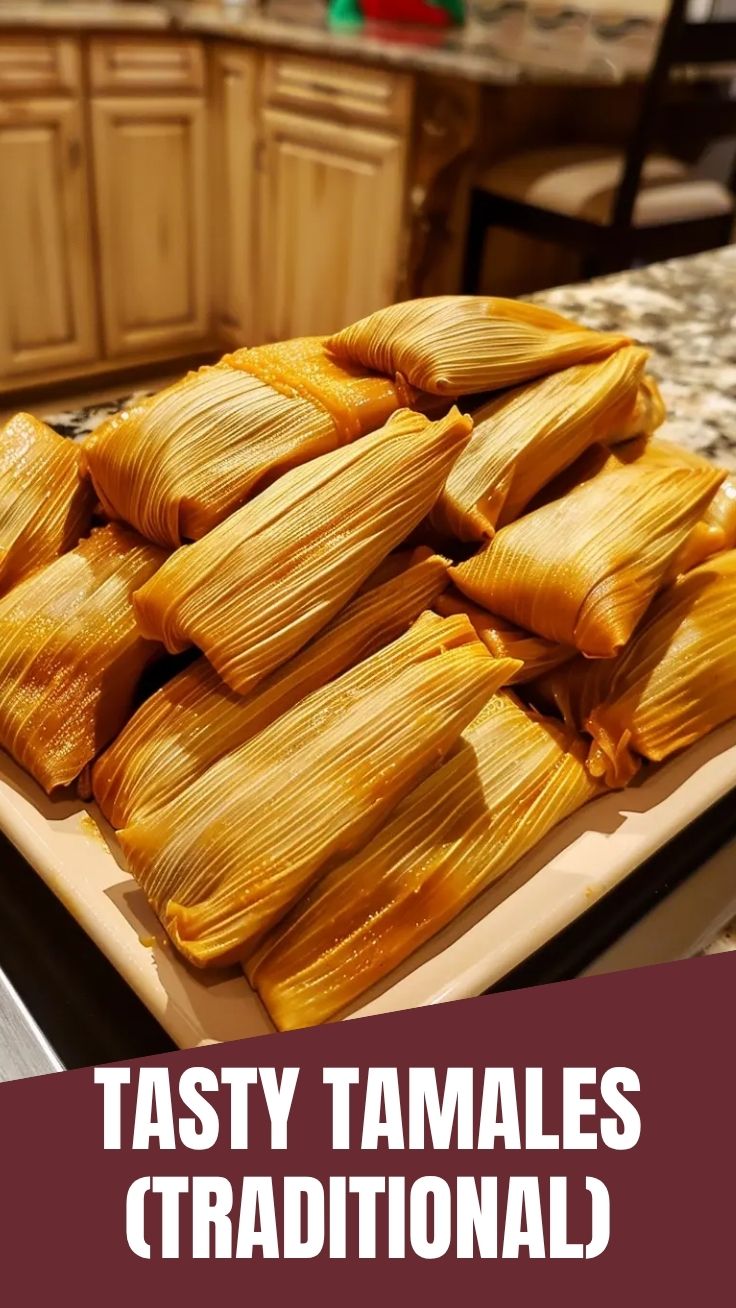
Tamale making is a labor of love that rewards patience. Breaking down the process makes it manageable.
- Pork Cooking: 2 hours (simmering), 30 minutes (shredding)
- Chile Sauce Prep: 30 minutes (soaking chiles), 20 minutes (blending and simmering)
- Corn Husk Soaking: 1 hour
- Masa Preparation: 20-30 minutes
- Assembly: 1-2 hours (depending on speed and assistance)
- Steaming: 1 hour to 1 hour 30 minutes
- Resting Time: 15-20 minutes after steaming (crucial for setting)
Total Time: Approximately 5-7 hours. This is best tackled on a weekend or split over two days (prepare filling/masa on day one, assemble/steam on day two).
Step-by-Step Instructions
Follow these clear directions to create your perfect Tamales (Traditional), ensuring every step contributes to an authentic and delicious result.
1. Prepare the Pork: Place pork shoulder in a large pot with onion, garlic, and 1 tablespoon salt. Cover with water and bring to a boil. Reduce heat, cover, and simmer for 1.5-2 hours, or until pork is fork-tender. Remove pork, reserving 2 cups of the cooking liquid. Shred the pork using two forks once cool enough to handle.
2. Prepare the Chile Sauce: While the pork simmers, soak the dried guajillo and ancho chiles in hot water for 30 minutes until softened. Drain and remove stems/seeds if any remain. Blend the softened chiles with the diced tomatoes, oregano, cumin, and 1 cup of reserved pork broth until very smooth. Strain the sauce through a fine-mesh sieve into a saucepan to remove any lingering skin or seeds – this guarantees a silky sauce. Simmer the strained sauce over medium heat for 10-15 minutes, stirring occasionally, until it thickens slightly. Add the shredded pork to the sauce and stir to coat. Set aside.
3. Soak Corn Husks: Place corn husks in a large basin or sheet pan, cover with hot water, and weigh them down with a plate to keep them submerged. Let them soak for at least 1 hour until pliable. Drain thoroughly before use.
4. Prepare the Masa: In a stand mixer with the paddle attachment (or a large bowl with a hand mixer or strong spoon), cream the softened lard or shortening until light and fluffy, about 3-5 minutes. In a separate bowl, combine masa harina, baking powder, and 1 teaspoon salt (and cumin if using). Gradually add the masa mixture to the creamed lard, alternating with the warm broth, mixing well after each addition. Continue to beat for 10-15 minutes until the masa is light and fluffy – a good test is to drop a small piece into a glass of cold water; if it floats, it’s ready. If it sinks, beat for a few more minutes.
5. Assemble the Tamales: Lay a soaked corn husk flat with the narrow end away from you. Spread about 2-3 tablespoons of masa evenly over the wider part of the husk, leaving a 1-inch border at the sides and bottom. Place 1-2 tablespoons of the pork filling in the center of the masa. Fold one side of the husk over the filling, then fold the other side to overlap. Fold the narrow end up towards the center. You can tie them with thin strips of corn husk or leave the top open.
6. Steam the Tamales: Arrange the assembled tamales vertically (open end up, if not tied) in a large steamer pot filled with an inch or two of water, ensuring the water doesn’t touch the tamales directly. Cover with extra corn husks or a clean kitchen towel before placing the lid on. Steam over medium heat for 1 to 1.5 hours. Tamales are done when the masa easily pulls away from the corn husk.
7. Rest and Serve: Remove tamales from the steamer. Let them rest for 15-20 minutes off the heat before unwrapping and serving. This resting period allows the masa to firm up, contributing to the perfect texture of true Authentic Mexican Food.
Nutritional Benefits & Advantages
These Tamales (Traditional), while a treat, offer several nutritional advantages. Corn masa is a good source of complex carbohydrates, providing sustained energy. If using lean pork, you’re getting a good dose of protein and essential B vitamins. The chiles used in the sauce are rich in vitamins A and C, and antioxidants. Making them at home allows you to control the quality of ingredients, reduce sodium, and avoid artificial additives often found in commercially prepared versions.
Tips, Variations & Cooking Advice
- Masa Texture: The key to fluffy tamales is well-whipped lard/shortening and adequately beaten masa.
- Filling Variations: Beyond pork, consider shredded chicken in green salsa (salsa verde), beef in mole sauce, cheese and jalapeño, or even sweet tamales with pineapple and raisins.
- Vegetarian/Vegan: Use vegetable shortening for the masa and a black bean & corn filling or a sweet potato & poblano filling.
- Freezing: Tamales freeze beautifully! Once cooled, wrap them individually in plastic wrap, then place them in a freezer-safe bag for up to 3 months. Reheat by steaming from frozen for 20-30 minutes.
- Batch Cooking: Tamales are perfect for batch cooking. Invite friends or family over for a “tamalada” (tamale-making party) to make the process fun and efficient.
Common Mistakes to Avoid
- Dry Masa: Not enough liquid or fat will result in dry, crumbly tamales. Ensure your lard/shortening is well-whipped and your masa feels like soft play-dough.
- Under-Steaming: This is the most common mistake. Under-steamed tamales will stick to the husk. Always perform the “peel test” – if it doesn’t peel away easily, steam for longer.
- Overfilling: Too much filling can make tamales difficult to fold and prone to bursting during steaming. A modest amount is best.
- Water Touching Tamales: Ensure the water in your steamer doesn’t immerse the tamales, or they’ll become waterlogged and soggy.
- Not Soaking Husks Enough: Dry, stiff husks will be hard to work with and can crack. Ensure they are fully pliable.
Storage & Meal Prep Tips
Leftover tamales are a joy! Once completely cool, store unwrapped tamales in an airtight container in the refrigerator for up to 3-4 days. For longer storage, freeze them as described in the “Tips & Variations” section.
To reheat, the best method is steaming. Place them in a steamer basket over simmering water for 15-20 minutes from refrigeration, or 20-30 minutes from frozen. Microwaving is also an option for convenience (wrap in a damp paper towel and heat for 1-2 minutes per tamale), but steaming preserves the texture best.
Conclusion
Mastering the art of Tamales (Traditional) is a truly rewarding culinary endeavor. With this detailed guide, you’re now equipped to create tender, flavorful bundles that honor the rich traditions of Authentic Mexican Food. We encourage you to embark on this delicious journey, perhaps inviting loved ones to share in the experience. Don’t be afraid to experiment with fillings or spices. Share your tamale triumphs in the comments below – we’d love to hear about your culinary adventures!
FAQs
Q1: Can I make tamales without a steamer?
A1: Yes, you can improvise! Use a large pot with a colander or metal rack inverted at the bottom. Make sure the water level is below the colander/rack and cover tightly.
Q2: My masa isn’t fluffy; what went wrong?
A2: Ensure your lard/shortening was creamed thoroughly until light and airy. Also, beat the masa mixture for the recommended 10-15 minutes; this incorporates air and creates a good texture.
Q3: How do I know if my tamales are cooked through?
A3: The easiest way is the “peel test.” Carefully remove one tamale after about 1.5 hours of steaming. If the masa separates cleanly from the corn husk, it’s done. If it sticks, steam for another 15-20 minutes.
Q4: Can I use different chiles for the sauce?
A4: Absolutely! Poblano or pasilla chiles offer different flavor profiles. Adjust quantities based on your desired spiciness and flavor intensity.
Q5: What if I don’t have time to soak corn husks for an hour?
A5: You can speed up the process by pouring boiling water over the husks and letting them soak for 30 minutes, or until they are soft and pliable.