Savor the Soul-Warming Delights: Your Ultimate Guide to Homemade Pozole
Are you craving a dish that’s rich in history, bursting with flavor, and profoundly comforting? Look no further than the humble yet magnificent Pozole. This iconic Mexican stew, celebrated for its robust taste and hearty ingredients, is more than just a meal; it’s an experience. Preparing a delicious pozole recipe at home allows you to control every ingredient, infuse it with your personal touch, and create a truly authentic culinary masterpiece that will delight your family and friends. Forget the bland, store-bought alternatives; the satisfaction of crafting this traditional dish from scratch is unparalleled. Let’s dive into everything you need to know to bring this savory sensation to your kitchen.
Ingredients & Kitchen Tools
Crafting the perfect Pozole starts with selecting quality ingredients and having the right tools at hand.
Ingredients:
2-3 lbs Pork shoulder (Boston butt): Boneless, cut into 2-inch cubes. This is the traditional protein, offering rich flavor.*
1 large White onion: Roughly chopped. Provides a foundational aromatic base.*
4-6 cloves Garlic: Minced. Essential for a pungent depth of flavor.*
1 (28 oz) can Hominy (nixtamalized corn): Drained and rinsed. The characteristic chewy kernel that defines pozole.*
1 (15 oz) can Crushed tomatoes: Adds a touch of acidity and color to the broth.*
4-6 cups Chicken or pork broth: Low sodium, preferably homemade. The liquid foundation of your stew.*
2-3 Dried Guajillo chilies: Stemmed and seeded. Mild, fruity, and fundamental for the red color and flavor.*
1-2 Dried Ancho chilies: Stemmed and seeded. Richer, darker, and slightly sweet flavor.*
1-2 Bay leaves: Adds an aromatic note to the broth.*
1 tsp Dried oregano (Mexican preferred): Earthy and a typical seasoning for this dish.*
1/2 tsp Cumin powder: Warm, earthy spice that complements pork well.*
Salt and freshly ground black pepper: To taste. Seasoning essentials.*
Optional Garnishes: Shredded cabbage or lettuce, thinly sliced radishes, diced avocado, chopped white onion, fresh cilantro, lime wedges, tostadas. These elevate the dish’s texture and flavor profile.*
Kitchen Tools:
Large Dutch oven or stockpot (6-8 quarts): Ideal for browning meat and simmering stew.*
Blender: For pureeing the rehydrated chilies into a smooth sauce.*
Sharp knife and cutting board: For all your chopping needs.*
Measuring cups and spoons: For accurate ingredient portions.*
Strainer or fine-mesh sieve: To remove chili skins after blending.*
Large serving ladle: For dishing up this magnificent stew.*
Prep Time & Cooking Schedule
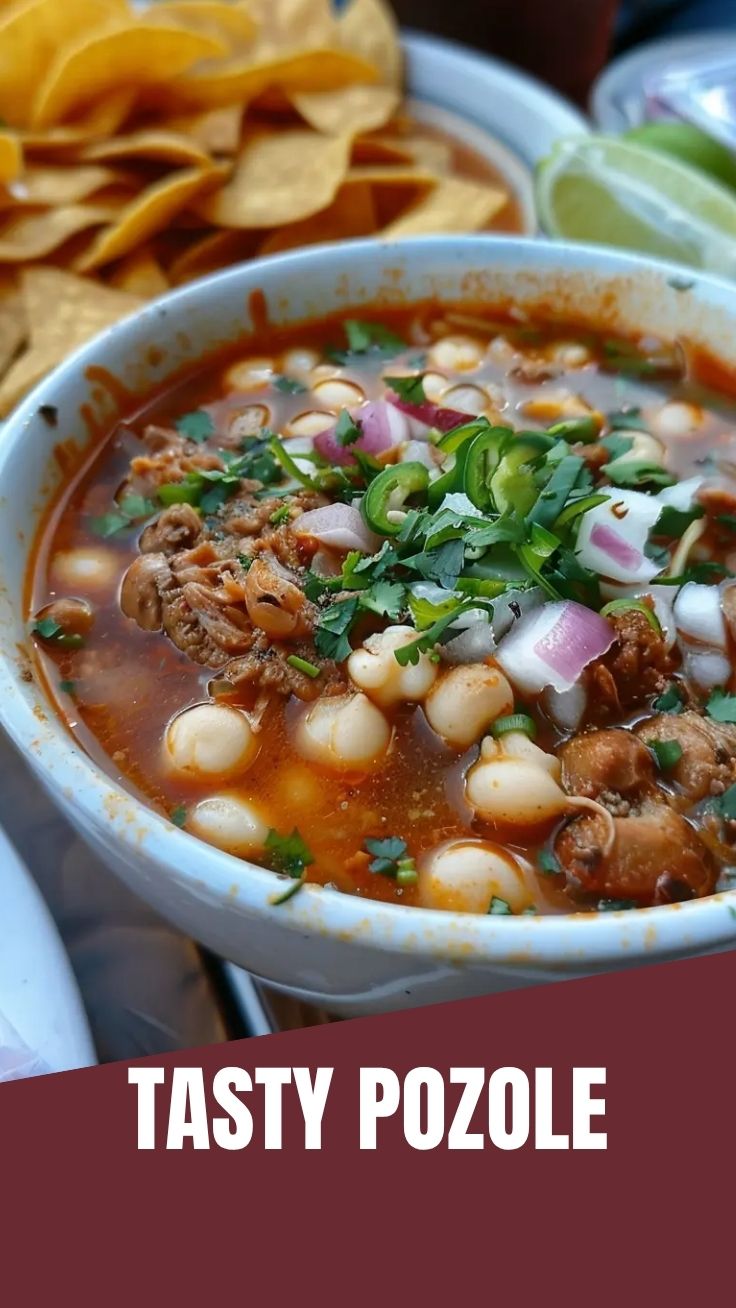
Planning is key for a successful Pozole. While the active prep time isn’t long, the simmering time allows flavors to meld beautifully.
- Prep Time: 30 minutes
- Cook Time: 2-3 hours (simmering), 30 minutes (chili rehydration & blending)
- Total Time: 3-4 hours
Context: Plan to start your Pozole in the late afternoon for a delicious dinner. The long simmering process is mostly hands-off, allowing you to attend to other tasks or simply relax while the aromas fill your kitchen. It’s perfect for a lazy weekend or even a weeknight if you do some prep, like chopping vegetables, the night before.
Step-by-Step Instructions
Embark on your journey to creating an unforgettable Pozole with these clear steps.
1. Prepare the Chilies: In a dry skillet, toast the guajillo and ancho chilies over medium heat for 1-2 minutes per side until fragrant. Be careful not to burn them. Transfer the toasted chilies to a heat-proof bowl, cover with hot water, and let them rehydrate for 20-30 minutes until softened. Drain, reserving some of the liquid.
2. Sear the Pork: Pat the pork cubes dry with paper towels. Season generously with salt and pepper. Heat 1-2 tablespoons of oil in your Dutch oven or stockpot over medium-high heat. Brown the pork in batches until golden on all sides, then remove and set aside. This step caramelizes the meat, adding a layer of deep flavor.
3. Sauté Aromatics: Add the chopped onion to the pot, scraping up any browned bits from the bottom. Sauté until softened, about 5-7 minutes. Add the minced garlic and cook for another minute until fragrant.
4. Blend the Chili Sauce: While the aromatics cook, remove the rehydrated chilies from the water and place them in a blender with the crushed tomatoes, oregano, cumin, and about 1 cup of the reserved chili soaking liquid or chicken broth. Blend until very smooth. If it’s too thick, add more liquid until it reaches a pourable consistency. Strain the chili sauce through a fine-mesh sieve into the Dutch oven with the aromatics, pressing on the solids to extract all the liquid. Discard the pulp. Straining ensures a silky smooth sauce without any fibrous bits.
5. Simmer the Pozole: Return the browned pork to the pot. Add the chicken or pork broth, bay leaves, and the drained hominy. Bring to a boil, then reduce heat to low, cover, and simmer for 2-3 hours, or until the pork is fork-tender and easily shreds. Stir occasionally to prevent sticking.
6. Shred and Serve: Once the pork is tender, remove it from the pot and shred it using two forks. Return the shredded pork to the pot. Taste and adjust seasoning with salt and pepper as needed. Your delicious pozole recipe is now ready to be enjoyed! Serve hot with your favorite garnishes.
Nutritional Benefits & Advantages
Pozole is more than just delicious; it’s a wholesome meal. The lean pork provides an excellent source of protein, essential for muscle repair and growth. Hominy, being a whole grain, offers dietary fiber, aiding in digestion and promoting satiety. The chili peppers contribute vitamins A and C, along with beneficial antioxidants. When loaded with fresh, crisp garnishes like cabbage, radishes, and avocado, this dish becomes a vibrant source of vitamins, minerals, and healthy fats, making it a nutritionally robust choice for any meal.
Tips, Variations & Cooking Advice
- Spicy Kick: For a hotter Pozole, add 1-2 dried árbol chilies to the rehydration process, or include a pinch of cayenne pepper with the spices.
- White Pozole (Pozole Blanco): Omit the red chilies and crushed tomatoes. Focus on a clear, rich broth. Garnish with plenty of fresh ingredients.
- Green Pozole (Pozole Verde): Blend roasted tomatillos, jalapeños, serrano peppers, cilantro, and pumpkin seeds with your broth for a vibrant green version.
- Vegetarian Pozole: Substitute the pork with mushrooms (like rehydrated dried shiitake), jackfruit, or a mix of beans and squash for a hearty plant-based option.
- Pressure Cooker Method: Reduce cooking time significantly. Brown pork, sauté aromatics, add other ingredients, and cook under high pressure for 45-60 minutes.
- Balance Flavors: Always taste before serving and adjust salt, pepper, or a squeeze of lime to brighten the flavors.
Common Mistakes to Avoid
- Skipping the Sear: Not browning the pork properly means you miss out on a crucial layer of flavor development.
- Not Toasting Chilies: Toasting enhances their flavor and aroma. Don’t skip it, but also don’t burn them, as this can make the sauce bitter.
- Inadequate Simmering Time: Pork needs time to become incredibly tender. Rushing this step results in tough meat.
- Over-seasoning Early: While seasoning the pork is key, be mindful of additional salt until the end, as the broth reduces and concentrates flavors.
- Forgetting to Strain the Chili Sauce: This step is vital for a smooth, pleasant texture in your broth.
Storage & Meal Prep Tips
Pozole tastes even better the next day as the flavors continue to meld.
- Refrigeration: Store leftover Pozole in an airtight container in the refrigerator for up to 3-4 days.
- Freezing: Pozole freezes exceptionally well. Allow it to cool completely, then transfer to freezer-safe containers or bags. It can be frozen for up to 2-3 months. Thaw overnight in the refrigerator before reheating.
- Reheating: Gently reheat on the stovetop over medium-low heat, stirring occasionally. Add a splash of broth or water if it’s too thick. Avoid boiling vigorously, which can break down the hominy.
- Meal Prep: Prepare a large batch on the weekend for easy weekday lunches or dinners. Store garnishes separately and add fresh when serving to maintain their crispness.
Conclusion
Mastering the art of making Pozole at home is a rewarding culinary journey that promises incredibly satisfying results. This comprehensive guide has equipped you with all the knowledge to create a soulful, flavorful, and authentic Mexican stew. From selecting the perfect cuts of meat to balancing the complex flavors of the chili sauce, every step contributes to a dish that speaks of tradition and comfort. Now that you’ve unlocked the secrets to this amazing pozole recipe, it’s time to get cooking! We encourage you to try this recipe, savor every spoonful, and share your delicious creations with us. Happy cooking!
FAQs
Q1: Can I make Pozole without hominy?
A1: While hominy is a defining ingredient, you could substitute it with large lima beans or even chickpeas if you’re looking for a different texture, but it won’t be traditional Pozole.
Q2: My Pozole isn’t spicy enough. How can I fix it?
A2: For more heat, you can add a pinch of cayenne pepper, a dash of hot sauce, or serve with thinly sliced fresh jalapeños or serrano peppers on the side.
Q3: Can I use chicken instead of pork?
A3: Absolutely! Chicken Pozole (Pozole de Pollo) is another popular variation. Use bone-in chicken thighs or a whole chicken cut into pieces for the best flavor, and shred it once cooked. Cooking time will be shorter.
Q4: Why is my chili sauce bitter?
A4: Bitterness usually comes from burning the chilies during the toasting stage. Ensure you only toast them until fragrant, not charred. If it’s already bitter, a tiny pinch of sugar or a squeeze of lime can sometimes help balance it out.
Q5: How many servings does this recipe yield?
A5: This recipe typically yields 6-8 generous servings, making it perfect for feeding a family or for meal prepping.