Beyond the Bake Sale: Elevate Your Home Baking with Irresistible Snickerdoodle Cookies
Ever wondered what makes a cookie truly unforgettable? Is it the perfect balance of sweetness and spice, or that delightful crackle on the surface? Today, we’re diving deep into the world of homemade goodness with a recipe that promises to deliver pure joy with every bite: Snickerdoodle Cookies. Forget those dry, store-bought versions; preparing these cinnamon-sugar wonders at home isn’t just about baking – it’s about crafting moments, filling your kitchen with an intoxicating aroma, and creating a treat that genuinely tastes like love. This comprehensive guide will walk you through mastering the classic Snickerdoodle recipe, transforming simple ingredients into extraordinary delights.
Ingredients & Kitchen Tools
Crafting the perfect batch of snickerdoodles requires a handful of common pantry staples and essential kitchen tools.
Ingredients:
- ½ cup (113g) unsalted butter, softened: Room temperature butter is crucial for a smooth, creamy dough.
- ¾ cup (150g) granulated sugar: For sweetness and aiding in that characteristic chewy texture.
- 1 large egg: Acts as a binder and adds richness.
- 1 teaspoon vanilla extract: Enhances overall flavor.
- 1 ½ cups (180g) all-purpose flour: The structural base of your cookies.
- 1 teaspoon cream of tartar: The secret ingredient! Reacts with baking soda for that distinctive tangy flavor and helps create the soft, chewy texture.
- ½ teaspoon baking soda: Leavening agent for lift and spread.
- ¼ teaspoon salt: Balances sweetness and amplifies other flavors.
- For the cinnamon-sugar coating:
* 2 tablespoons granulated sugar: For the outer coating.
* 1 ½ teaspoons ground cinnamon: The signature spice of snickerdoodles.
Kitchen Tools:
- Large mixing bowl: For combining ingredients.
- Electric mixer (stand or hand-held): Makes creaming butter and sugar much easier.
- Measuring cups and spoons: For accurate ingredient quantities.
- Rubber spatula: For scraping down the bowl and folding ingredients.
- Small bowl: For the cinnamon-sugar coating.
- Baking sheets: Preferably light-colored to prevent over-browning.
- Parchment paper or silicone baking mats: For non-stick baking and easy cleanup.
- Wire cooling rack: Essential for proper cooling and preventing soggy bottoms.
Prep Time & Cooking Schedule
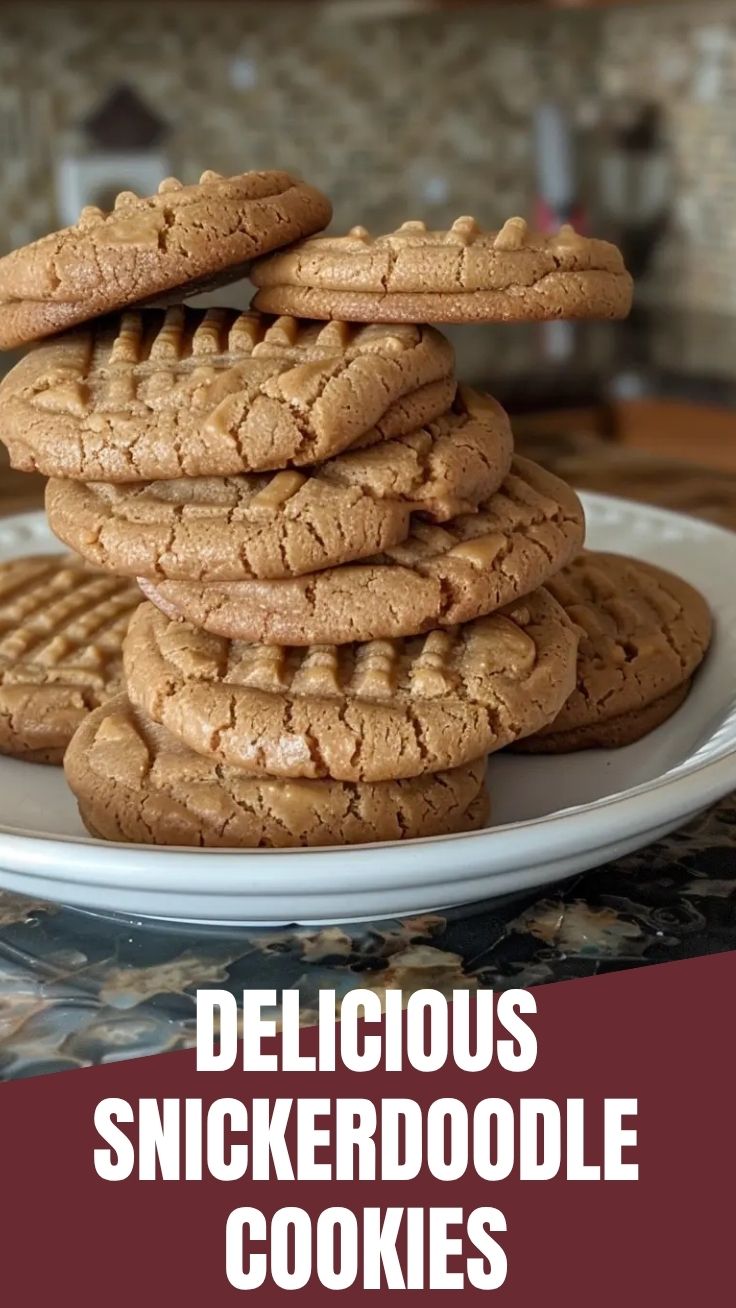
Planning is key for stress-free baking! These Snickerdoodle Cookies are relatively quick to prepare, making them perfect for a spontaneous baking session.
- Prep time: 15 minutes
- Chill time: 30 minutes (recommended for easier handling and better texture)
- Cook time: 8-10 minutes per batch
- Total time: Approximately 55-60 minutes
Allowing the dough to chill for at least 30 minutes prevents excessive spreading during baking, resulting in thicker, chewier cookies. If you’re short on time, you can skip the chill, but expect a slightly thinner cookie.
Step-by-Step Instructions
Follow these detailed steps to achieve perfect Snickerdoodle Cookies every time. Remember, precision is your friend in baking!
1. Preheat & Prep: Preheat your oven to 375°F (190°C). Line baking sheets with parchment paper or silicone baking mats.
2. Cream Wet Ingredients: In a large mixing bowl, using an electric mixer, cream together the softened butter and ¾ cup granulated sugar on medium speed until light and fluffy (2-3 minutes). Beat in the egg and vanilla extract until well combined, scraping down the sides of the bowl as needed.
3. Combine Dry Ingredients: In a separate medium bowl, whisk together the flour, cream of tartar, baking soda, and salt. This ensures even distribution of your leavening agents.
4. Gradually Add Dry to Wet: Gradually add the dry ingredients to the wet ingredients, mixing on low speed until just combined. Be careful not to overmix; overmixing can lead to tough cookies.
5. Chill (Optional but Recommended): Cover the dough and refrigerate for at least 30 minutes. This firms up the dough, making it easier to roll and helping the cookies hold their shape better.
6. Prepare Cinnamon-Sugar Coating: While the dough chills, combine 2 tablespoons granulated sugar and 1 ½ teaspoons ground cinnamon in a small shallow bowl.
7. Roll the Dough: Scoop rounded tablespoons of dough (or use a 1-inch cookie scoop) and roll them into smooth balls between your palms. Gently roll each dough ball in the cinnamon-sugar mixture until fully coated.
8. Bake: Place the coated dough balls 2 inches apart on the prepared baking sheets. Bake for 8-10 minutes, or until the edges are lightly golden and the centers are still slightly soft. They may appear underdone but will firm up as they cool. Do not overbake!
9. Cool: Let the cookies cool on the baking sheet for 2-3 minutes before transferring them to a wire rack to cool completely. This helps them set without breaking. Congratulations, you’ve just mastered the classic Snickerdoodle recipe!
Nutritional Benefits & Advantages
While Snickerdoodle Cookies are undeniably a treat, they offer some surprising advantages. Cinnamon, a star ingredient, is known for its powerful antioxidant properties and potential to help manage blood sugar levels. Cream of tartar, while primarily a leavening agent, naturally contains potassium. Plus, homemade cookies give you complete control over ingredient quality, allowing you to choose organic butter or free-range eggs for a slightly healthier edge compared to processed alternatives. Baking at home also allows you to enjoy freshly baked goods without artificial flavors or preservatives.
Tips, Variations & Cooking Advice
- Flavor Boost: Add ½ teaspoon of nutmeg or cardamom to the cinnamon-sugar coating for an extra layer of warmth.
- Chewier Cookies: For an even chewier texture, replace ½ cup of all-purpose flour with ½ cup of bread flour.
- Gluten-Free: Use a 1:1 gluten-free baking flour blend. You might need to add an extra tablespoon or two of milk if the dough seems too dry.
- Dairy-Free: Substitute unsalted butter with a high-quality dairy-free butter alternative.
- Portion Control: Use a smaller cookie scoop for mini snickerdoodles, adjusting baking time down by 1-2 minutes.
- Perfect Roundness: For perfectly round cookies, use a large circular cookie cutter or the rim of a glass to gently scoot the edges of the freshly baked (still warm) cookies inward.
Common Mistakes to Avoid
- Overmixing the Dough: This develops gluten too much, leading to tough, cake-like cookies instead of soft and chewy. Mix until just combined.
- Overbaking: Snickerdoodles should still look slightly underdone in the center when you pull them from the oven. They continue to cook on the hot baking sheet.
- Not Chilling the Dough: Skipping the chill can result in cookies that spread too much, becoming thin and crispy instead of thick and chewy.
- Old Cream of Tartar: Cream of tartar loses its potency over time. Ensure yours is fresh for the best rise and tangy flavor.
- Too Much Cinnamon in Coating: While delicious, excessive cinnamon can taste bitter. Stick to the recommended ratio.
Storage & Meal Prep Tips
These delightful cookies are easy to store, making them excellent for meal prepping or enjoying throughout the week.
- At Room Temperature: Store cooled Snickerdoodle Cookies in an airtight container at room temperature for up to 3-4 days. Placing a slice of bread in the container can help keep them soft.
- Freezing Baked Cookies: Once completely cooled, place cookies in a single layer on a baking sheet and freeze until solid. Transfer to a freezer-safe bag or container for up to 3 months. Thaw at room temperature.
- Freezing Dough: Roll dough balls as directed, coat in cinnamon-sugar, then freeze them on a baking sheet until solid. Transfer to a freezer-safe bag. When ready to bake, place frozen dough balls on a prepared baking sheet and bake for an extra 2-3 minutes, without thawing.
Conclusion
Baking homemade Snickerdoodle Cookies is a truly rewarding experience, transforming simple ingredients into a comforting classic that will delight friends and family alike. By following this detailed guide, you’re not just making cookies; you’re crafting memories and mastering a beloved treat. We hope you’ve found this comprehensive Snickerdoodle recipe inspiring! Don’t hesitate to experiment with the variations and certainly share your baking triumphs in the comments below. Happy baking!
FAQs
Q1: What is cream of tartar, and can I substitute it?
A1: Cream of tartar is an acidic salt that reacts with baking soda to create the unique tangy flavor and chewy texture of snickerdoodles. There isn’t a perfect substitute, but some recipes suggest a tiny bit of white vinegar or lemon juice, though it won’t yield the exact same results.
Q2: My cookies spread too much. What went wrong?
A2: Common culprits include using butter that’s too warm, not chilling the dough (if the recipe calls for it), or an oven temperature that’s too low. Make sure your butter is firm but pliable at room temperature, and consider a longer chill time.
Q3: How do I store leftover snickerdoodle dough?
A3: Unbaked snickerdoodle dough can be stored in an airtight container in the refrigerator for up to 3 days or frozen for up to 3 months. If frozen, you can bake from frozen, adding a few extra minutes to the baking time.
Q4: Can I use brown sugar instead of granulated sugar?
A4: While you can, using all brown sugar will result in a chewier, slightly less crisp cookie with a different flavor profile. The classic snickerdoodle relies on granulated sugar for its texture and the way the cinnamon-sugar coating adheres.
Q5: Why are my cookies tough?
A5: The most common reason for tough cookies is overmixing the dough. Once you add the flour, mix only until the ingredients are just combined. Overworking the gluten in the flour leads to a tougher texture.