Bake Perfect Shortbread Cookies: Your Ultimate Guide to Buttery Perfection
Ever wondered how to master the art of baking those melt-in-your-mouth, perfectly crumbly, and utterly addictive cookies that transport you straight to a cozy English tea room? You’re in luck! Today, we’re diving deep into the delightful world of Shortbread Cookies. Preparing these classic treats at home isn’t just about saving a few dollars; it’s about experiencing the pure joy of baking, controlling every wholesome ingredient, and filling your kitchen with an aroma that spells comfort. Forget store-bought imitations; once you taste homemade, rich butter shortbread, there’s no turning back. This comprehensive guide will equip you with everything you need to create shortbread that’s buttery, tender, and simply irresistible.
Ingredients & Kitchen Tools
To embark on your shortbread journey, gather these essential items:
- Unsalted Butter (1 cup/226g): Chilled and cut into cubes. Using high-quality butter is paramount for authentic flavor and texture. Unsalted gives you control over the salt content.
- All-Purpose Flour (2 cups/240g): Sifted. The backbone of our cookies, providing structure.
- Granulated Sugar (½ cup/100g): For sweetness and a delicate crispness.
- Salt (¼ teaspoon): Balances the sweetness and enhances the butter’s flavor.
- Vanilla Extract (1 teaspoon, optional): Adds a wonderful aromatic depth.
- Parchment Paper: Prevents sticking and aids in easy removal.
- Baking Sheet: A sturdy, light-colored sheet for even baking.
- Electric Mixer (stand or hand-held): For creaming butter and sugar effectively. A bowl and wooden spoon work too, but require more elbow grease.
- Rolling Pin: To achieve an even thickness.
- Cookie Cutters (optional): For festive shapes, or simply use a knife for classic fingers or squares.
- Wire Rack: For cooling your baked masterpieces.
Prep Time & Cooking Schedule
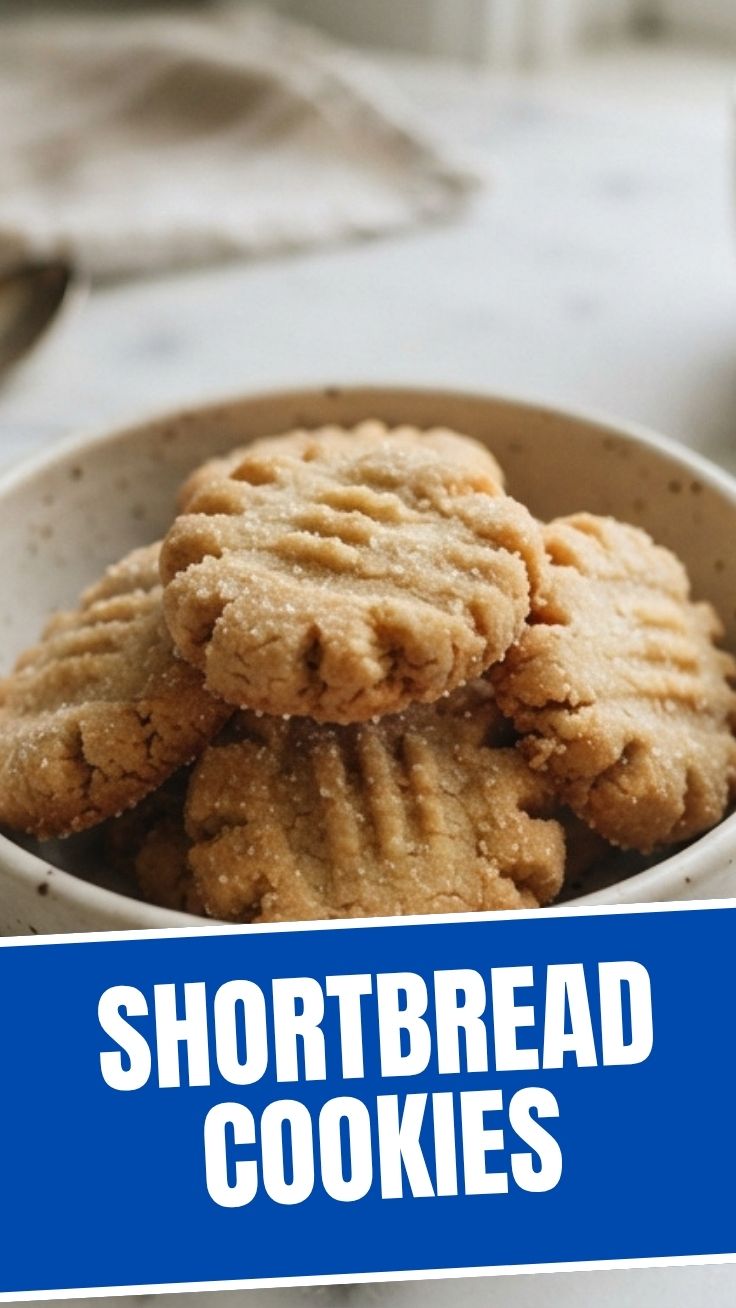
- Prep Time: 20 minutes
- Chilling Time: 30 minutes (minimum), ideally 1 hour or more. This is crucial for preventing spread and achieving that characteristic shortbread texture.
- Bake Time: 15-20 minutes
- Cooling Time: 15 minutes
Plan to start your shortbread a little in advance to account for the chilling period. This isn’t just about convenience; it fundamentally impacts the texture, allowing the butter to firm up and preventing the cookies from spreading excessively in the oven.
Step-by-Step Instructions
Follow these steps precisely for perfect Shortbread Cookies:
1. Cream Butter and Sugar: In a large bowl, using an electric mixer, cream together the chilled cubed butter and granulated sugar on medium speed until light and fluffy, about 3-5 minutes. Don’t rush this step; proper aeration is key to a tender cookie.
2. Add Flavoring (Optional): If using, beat in the vanilla extract until just combined.
3. Incorporate Dry Ingredients: In a separate bowl, whisk together the sifted all-purpose flour and salt. Gradually add the flour mixture to the butter mixture, beating on low speed until just combined. Be careful not to overmix, as this can develop the gluten and result in tough cookies. The dough will be crumbly at first but will come together.
4. Form the Dough: Gather the dough into a ball and lightly flatten it into a disc. Wrap tightly in plastic wrap.
5. Chill Thoroughly: Refrigerate the dough for at least 30 minutes, or up to an hour. This chilling process firmly sets the butter, which is vital for achieving that classic snappy texture of butter shortbread and preventing the cookies from spreading excessively during baking.
6. Preheat Oven & Prepare Pan: Preheat your oven to 325°F (160°C). Line a baking sheet with parchment paper.
7. Roll and Cut: On a lightly floured surface or between two sheets of parchment paper, roll out the chilled dough to about ¼ inch thickness. Cut into your desired shapes using cookie cutters or a knife for traditional fingers or squares.
8. Bake to Golden Perfection: Carefully transfer the cut dough to the prepared baking sheet. Bake for 15-20 minutes, or until the edges are lightly golden and the centers are firm. Avoid overbaking, as shortbread should remain pale.
9. Cool Completely: Remove from the oven and let the cookies cool on the baking sheet for 5 minutes before transferring them to a wire rack to cool completely.
Nutritional Benefits & Advantages
While Shortbread Cookies are certainly a treat, they offer the advantage of simple, wholesome ingredients. Homemade versions allow you to control sugar content compared to many processed snacks. The primary ingredient, butter, provides healthy fats (in moderation) and fat-soluble vitamins. These cookies, when enjoyed as an occasional indulgence, offer pure comfort and satisfaction without hidden additives often found in commercial alternatives.
Tips, Variations & Cooking Advice
- Flavor Boosts: Add lemon zest, orange zest, or a pinch of cardamom to the dough for an aromatic twist.
- Chocolate Dipped: Once cooled, dip half of your shortbread into melted dark or white chocolate for an elegant touch.
- Gluten-Free Option: Use a 1:1 gluten-free baking flour blend for a celiac-friendly version. The texture might be slightly different but still delicious.
- Dairy-Free: Substitute the butter with a high-quality plant-based butter stick for a comparable result.
- Even Baking: If your oven bakes unevenly, rotate the baking sheet halfway through the baking time.
- Don’t Overwork: Overmixing the dough develops gluten, leading to a tough cookie instead of the desired tender crumb. Mix until just combined.
Common Mistakes to Avoid
- Warm Butter: Using soft or melted butter will result in greasy, flat cookies. Always use chilled, firm butter.
- Overmixing the Dough: This is the most common culprit for tough shortbread. Mix only until the ingredients are just incorporated.
- Not Chilling the Dough: Skipping the chilling step leads to cookies that spread too much and lose their shape.
- Under or Over-Baking: Under-baked shortbread will be too soft; over-baked will be too hard. Look for lightly golden edges and a pale center.
Storage & Meal Prep Tips
Store your baked Shortbread Cookies in an airtight container at room temperature for up to 1 week. They maintain their crispness and flavor beautifully. For longer storage, shortbread freezes exceptionally well. Layer cooled cookies between sheets of parchment paper in a freezer-safe container or bag for up to 3 months. Thaw at room temperature before serving. Unbaked dough can also be wrapped tightly and refrigerated for up to 3 days or frozen for up to 1 month.
Conclusion
Baking perfect Shortbread Cookies is a truly rewarding experience, yielding a delightful treat that’s both elegant and comforting. With just a few simple ingredients and careful attention to technique, you can create a batch of these quintessential cookies that rival any bakery. Remember, the secret lies in high-quality butter, precise measurements, and proper chilling to achieve that desired melt-in-your-mouth texture. Dive into this recipe and discover the simple joy of baking luscious homemade butter shortbread. We’d love to hear about your baking adventures and see your beautiful creations in the comments below! Happy baking!
FAQs
Q1: Can I make shortbread without an electric mixer?
A1: Yes, you can. Use a sturdy wooden spoon and mix the butter and sugar thoroughly until combined and fluffy. Then, gradually add the flour. It will require more effort but is definitely achievable.
Q2: Why did my shortbread spread too much during baking?
A2: This usually happens if your butter was too soft or if you didn’t chill the dough long enough. Always use chilled butter and ensure the dough is firm before baking.
Q3: How can I prevent my shortbread from being too hard?
A3: Overmixing the dough develops gluten, leading to a tougher cookie. Also, overbaking can make them hard. Bake until just the edges are lightly golden, and the center is set but still pale.
Q4: Can I add other flavors to the dough?
A4: Absolutely! Citrus zests (lemon, orange), a pinch of ground ginger, or even finely chopped herbs like rosemary can add interesting flavor notes. Experiment with what you love!
Q5: What’s the difference between shortbread and sugar cookies?
A5: Shortbread typically contains just butter, flour, and sugar, resulting in a crumbly, tender texture due to the high butter-to-flour ratio and lack of leavening. Sugar cookies often include eggs and baking powder/soda, giving them a chewier texture and a slight rise.