From Garden to Table: Crafting the Perfect Homemade Pasta Primavera
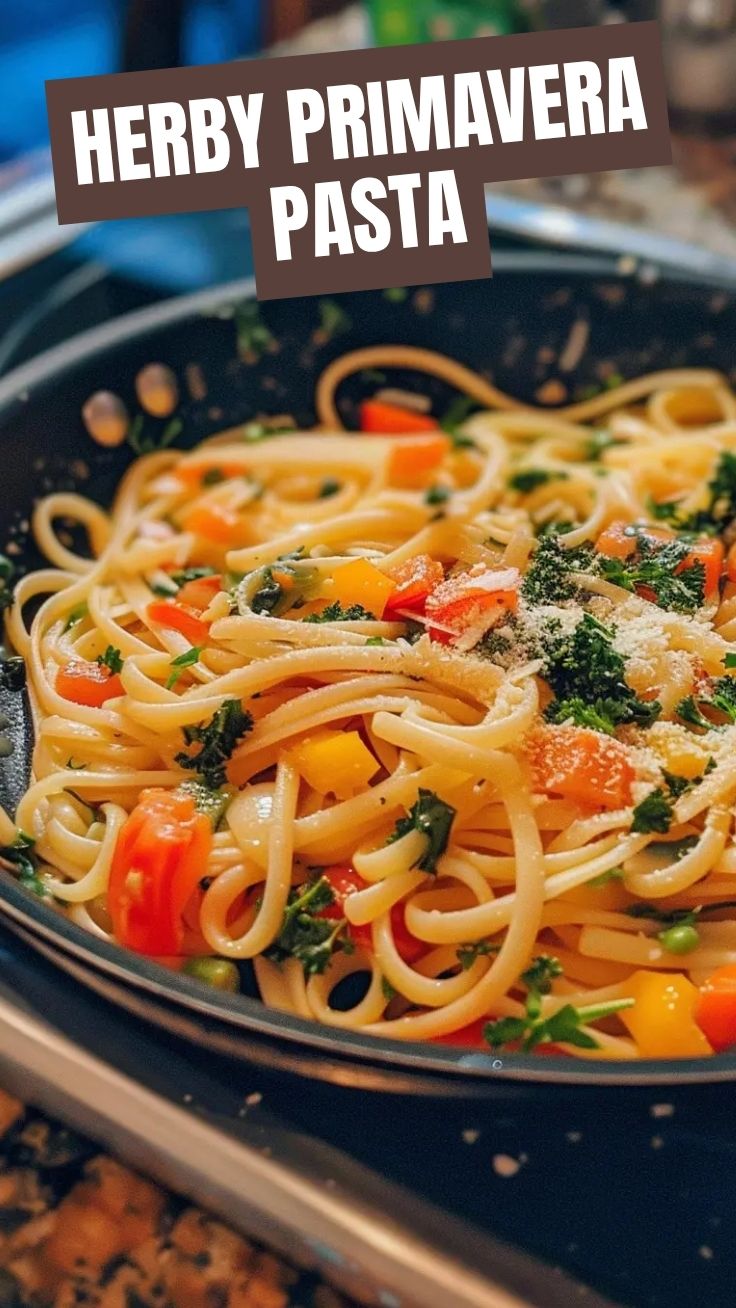
Ever wonder how to transform a bounty of fresh, seasonal vegetables into a dish that’s both vibrant and satisfying? Look no further than this delightful Pasta Primavera. This classic dish, meaning “spring pasta,” is a celebration of fresh produce, offering a light yet incredibly flavorful meal that’s perfect for any occasion. Preparing a Primavera pasta recipe at home isn’t just about cooking; it’s about embracing wholesome ingredients, customizing flavors to your liking, and enjoying the process of creating something truly delicious from scratch.
Ingredients & Kitchen Tools
- 1 lb short pasta (e.g., penne, rotini, farfalle): The canvas for our colorful creation.
- 2 tbsp olive oil: Provides a rich base for sautéing and a touch of healthy fat.
- 1 medium red onion, thinly sliced: Adds a sweet and pungent depth of flavor.
- 2 cloves garlic, minced: Essential aromatic for any savory dish.
- 1 red bell pepper, cored and sliced: Contributes sweetness, crunch, and vibrant color.
- 1 yellow bell pepper, cored and sliced: Similar to red bell pepper, adding more color and sweetness.
- 1 cup asparagus, tough ends trimmed and cut into 1-inch pieces: A quintessential spring vegetable, offering a slightly bitter crunch.
- 1 cup cherry tomatoes, halved: Bursts of juicy sweetness.
- 1 cup broccoli florets: Adds a tender-crisp texture and earthy notes.
- 1/2 cup frozen peas: Provides a pop of green and a touch of sweetness; no need to thaw.
- 1/2 cup vegetable broth: Helps create a light sauce and keeps vegetables tender.
- 1/4 cup grated Parmesan cheese, plus more for serving: Adds a salty, umami kick and creamy texture.
- 2 tbsp fresh lemon juice: Brightens all the flavors and adds a zesty finish.
- 1/4 cup fresh basil, chopped: Aromatic herb for a fresh, peppery note.
- Salt and freshly ground black pepper to taste: The essential seasonings.
- Optional: Zucchini or yellow squash, thinly sliced: Great additions for more vegetable variety.
- Large pot: For boiling pasta.
- Large skillet or Dutch oven: For sautéing vegetables.
- Colander: For draining pasta.
- Cutting board and sharp knife: For vegetable prep.
Prep Time & Cooking Schedule
- Prep Time: 20 minutes (for chopping vegetables)
- Cook Time: 25 minutes (pasta cooking + vegetable sauté)
- Total Time: 45 minutes
This recipe is designed for a quick weeknight meal but feels special enough for a weekend gathering. The key is to have all your vegetables prepped and ready before you start cooking, as the sautéing process is quite fast.
Step-by-Step Instructions
1. Cook the Pasta: Bring a large pot of salted water to a rolling boil. Add your chosen short pasta and cook according to package directions until al dente. Reserve about 1 cup of the pasta cooking water before draining. This starchy liquid will be your secret weapon for a luscious sauce—especially for this Pasta Primavera.
2. Sauté Aromatics: While the pasta cooks, heat the olive oil in a large skillet or Dutch oven over medium heat. Add the sliced red onion and cook for 3-4 minutes until softened and translucent. Stir in the minced garlic and cook for another minute until fragrant, being careful not to burn it.
3. Add Hardier Vegetables: Incorporate the red and yellow bell peppers and broccoli florets into the skillet. Sauté for 5-7 minutes, stirring occasionally, until they start to tenderize but still retain a slight crispness.
4. Introduce Spring Veggies: Add the asparagus pieces and cherry tomatoes to the skillet. Cook for another 3-4 minutes until the asparagus is bright green and tender-crisp, and the tomatoes have just begun to soften.
5. Simmer and Combine: Pour in the vegetable broth and bring to a gentle simmer. Stir in the frozen peas. Let it cook for 2 minutes. At this point, you’re building the foundation for your delicious Primavera pasta recipe.
6. Combine with Pasta: Add the drained cooked pasta to the skillet with the vegetables. Toss everything together to combine.
7. Finish the Sauce: Gradually add about half of the reserved pasta water, stirring well. The starch from the water will help bind the sauce. Stir in the grated Parmesan cheese and fresh lemon juice. Continue adding more pasta water, a tablespoon at a time, until the sauce reaches your desired consistency – it should lightly coat the pasta and vegetables.
8. Season and Serve: Remove from heat. Stir in the fresh chopped basil. Season generously with salt and freshly ground black pepper to taste. Serve immediately, garnished with additional Parmesan cheese if desired.
Nutritional Benefits & Advantages
This Pasta Primavera is a powerhouse of nutrition. It’s packed with vitamins, minerals, and dietary fiber from the abundant fresh vegetables. Bell peppers contribute Vitamin C and antioxidants, while broccoli offers Vitamin K and folate. Asparagus is a good source of fiber and prebiotics. The whole-grain pasta (if chosen) provides complex carbohydrates for sustained energy. It’s naturally low in saturated fat and can easily be made vegetarian or vegan, making it a highly adaptable and healthy meal option.
Tips, Variations & Cooking Advice
- Seasonal Swaps: Embrace seasonality! In summer, add corn, zucchini, or green beans. In fall, consider butternut squash or kale.
- Protein Boost: For a heartier meal, stir in grilled chicken, shrimp, or chickpeas.
- Creamier Sauce: For a richer sauce, stir in a dollop of cream cheese, a splash of heavy cream, or a tablespoon of Greek yogurt with the Parmesan.
- Spice It Up: Add a pinch of red pepper flakes with the garlic for a subtle kick.
- Herb Variations: Experiment with other fresh herbs like parsley, oregano, or thyme.
Common Mistakes to Avoid
- Overcooking Vegetables: The key to a good Pasta Primavera is tender-crisp vegetables. Don’t overcook them into a mushy consistency.
- Not Salting Pasta Water: Proper seasoning starts with the pasta. Salty water imbues flavor into the noodles.
- Discarding Pasta Water: That starchy water is crucial for creating a smooth, emulsified sauce.
- Overcrowding the Pan: Cook vegetables in batches if necessary to ensure they sauté rather than steam, resulting in better texture and flavor.
Storage & Meal Prep Tips
Leftover Pasta Primavera can be stored in an airtight container in the refrigerator for up to 3-4 days. To reheat, gently warm in a skillet over medium-low heat, adding a splash of vegetable broth or water to loosen the sauce and prevent drying out. It’s not ideal for freezing, as the vegetables can become watery and lose their texture upon thawing. For meal prep, you can chop all your vegetables ahead of time and store them in separate containers in the fridge for up to 2-3 days, making assembly on cooking day even faster.
Conclusion
Creating a vibrant and delicious Pasta Primavera at home is a truly rewarding experience. This recipe, brimming with fresh vegetables and bright flavors, proves that healthy eating can be incredibly satisfying and easy to achieve. We hope this guide inspires you to whip up your own homemade Primavera pasta recipe and discover the joy of garden-fresh cooking. Don’t hesitate to get creative with your seasonal produce! Share your culinary creations in the comments below or tag us on social media!
FAQs
Q: Can I use different types of pasta for Pasta Primavera?
A: Absolutely! Short pasta shapes like penne, rotini, or farfalle work best as they hold the vegetables and sauce well. You can also use long strands like fettuccine or linguine if preferred.
Q: How can I make this Pasta Primavera vegan?
A: To make it vegan, simply omit the Parmesan cheese and use a plant-based alternative or nutritional yeast for a cheesy flavor. Ensure your pasta and vegetable broth are also vegan.
Q: My vegetables are turning out watery. What am I doing wrong?
A: This usually happens if you overcrowd the pan. Cook vegetables in batches if your skillet isn’t large enough to give them space. High heat also helps evaporate moisture quickly.
Q: Can I use frozen mixed vegetables instead of fresh?
A: While fresh vegetables are preferred for the best flavor and texture in this Primavera pasta recipe, you can use frozen mixed vegetables in a pinch. Add them directly to the pan with the broth and simmer until tender-crisp.
Q: What’s the best way to ensure my pasta isn’t too dry?
A: The key is reserving and using the starchy pasta cooking water. Add it gradually at the end until the sauce is glossy and coats the pasta beautifully. Fresh lemon juice and olive oil also contribute to a moist finish.