Unlock the Secret to the Creamiest, Dreamiest Mashed Potatoes: A Culinary Journey
Ever wondered why some Mashed Potatoes taste like a cloud while others are, well, just potato? The secret lies not just in the ingredients, but in the technique. Preparing this quintessential comfort food at home offers unparalleled control over flavor, texture, and quality, transforming a simple side dish into a star. Forget bland, gluey potato messes; with our expertly crafted guide, you’ll be whipping up luscious, perfectly seasoned spuds that will have everyone asking for your secret. This recipe isn’t just about cooking; it’s about mastering the art of the potato, ensuring every bite is a delightful experience. We’ll also delve into broader potato recipes, uncovering versatility in this humble vegetable.
Our journey begins with understanding the nuances of the humble potato. By the end of this post, you’ll be able to create a dish that’s not only delicious but also a testament to your culinary prowess, elevating this classic to new heights.
Ingredients & Kitchen Tools
Here’s what you’ll need to create your culinary masterpiece:
- 2 lbs Russet Potatoes: Ideal for mashing due to their starchy, light, and fluffy texture. Avoid waxy varieties.
- ½ cup Unsalted Butter (good quality): Adds richness and flavor. Unsalted allows you to control the salt content.
- ½ cup Warm Milk (whole milk or half-and-half): Adds creaminess; warmth prevents cooling the potatoes.
- 1 tsp Sea Salt (or to taste): Enhances flavor. Start with a smaller amount and adjust.
- ¼ tsp Black Pepper (freshly ground): Aromatic and provides a subtle kick.
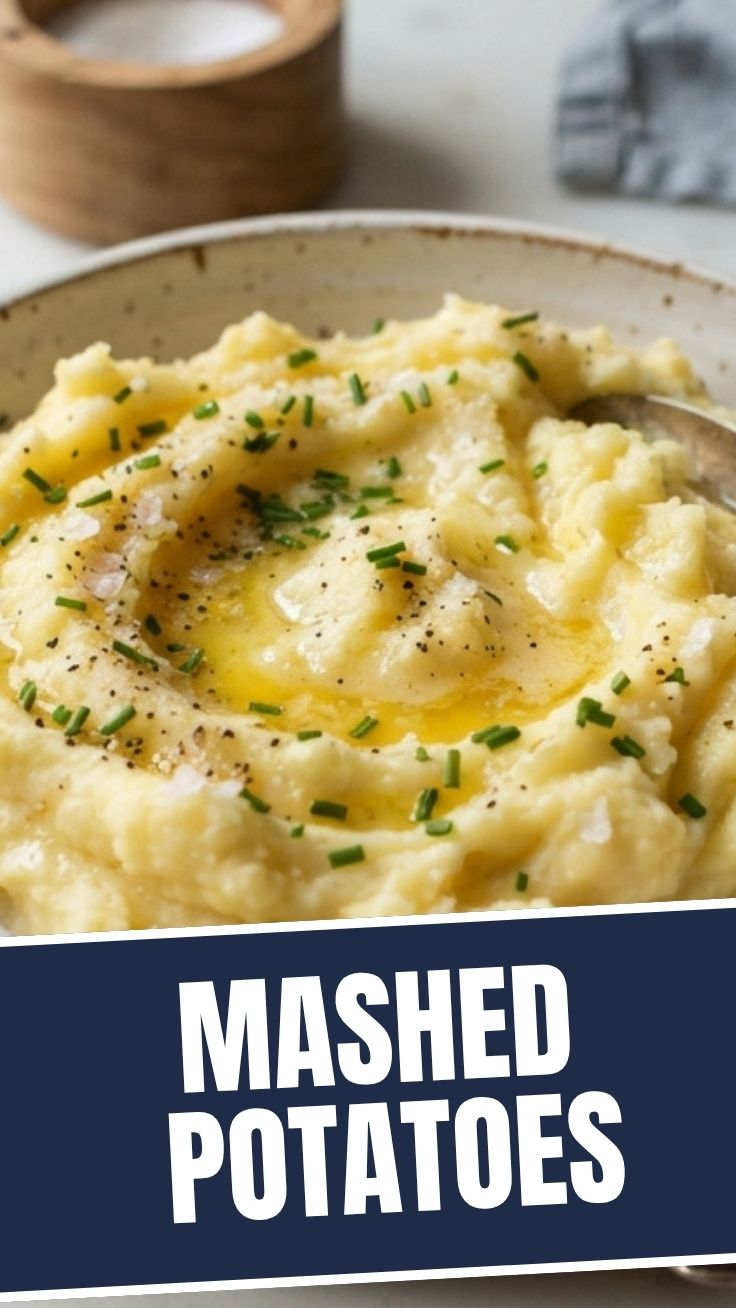
- Optional for Garnish: Fresh chives (finely chopped), a sprinkle of paprika, or a pat of butter.
Kitchen Tools:
- Large Pot with Lid: For boiling potatoes.
- Potato Masher or Ricer: A ricer yields the smoothest, fluffiest texture, while a masher provides a slightly chunkier consistency.
- Measuring Cups & Spoons: For accurate ingredient measurement.
- Large Mixing Bowl: For combining mashed potatoes with other ingredients.
- Rubber Spatula or Wooden Spoon: For folding and mixing.
- Colander: For draining boiled potatoes.
Prep Time & Cooking Schedule
- Prep Time: 15 minutes (peeling and chopping potatoes)
- Cook Time: 20-25 minutes (boiling potatoes)
- Resting Time: 5 minutes (after mashing, before serving)
Context: This recipe is perfect as a comforting side for weeknight dinners or a staple for holiday feasts. The prep can be done in advance (peeling and chopping can be done up to a day ahead if potatoes are submerged in cold water), allowing for a smoother cooking experience. The mashing and mixing should ideally be done just before serving to maintain optimal texture and warmth.
Step-by-Step Instructions
1. Prepare Potatoes: Peel the Russet potatoes and cut them into evenly sized 1-inch chunks. This ensures even cooking. Rinse them under cold water to remove excess starch, which helps prevent gumminess.
2. Boil Potatoes: Place the potato chunks in a large pot and cover with cold water by about an inch. Add a generous pinch of salt to the water (seasoning from within!). Bring to a boil over high heat, then reduce heat to medium and simmer, uncovered, for 20-25 minutes, or until the potatoes are fork-tender.
3. Drain Thoroughly: Once tender, drain the potatoes completely in a colander. This is crucial for fluffy mashed potatoes; excess water leads to a soggy result. Return the drained potatoes to the empty hot pot over low heat for 1-2 minutes to evaporate any remaining moisture.
4. Mash Potatoes: For the best texture, pass the hot potatoes through a ricer back into the large mixing bowl. If using a masher, mash until smooth, but be careful not to over-mash. Over-mashing develops gluten, making the Mashed Potatoes gluey.
5. Incorporate Dairy & Seasoning: Add the cubed unsalted butter, warm milk, sea salt, and black pepper to the mashed potatoes. Gently fold with a rubber spatula until just combined and creamy. Avoid vigorous mixing. For other delicious potato recipes, this step varies greatly depending on the desired outcome.
6. Taste and Adjust: Taste and adjust seasoning as needed, adding more salt or pepper if desired. Serve immediately, garnished as preferred.
Nutritional Benefits & Advantages
Potatoes, often unfairly maligned, are a surprisingly nutrient-dense vegetable. They are an excellent source of Vitamin C, which supports immune function, and Vitamin B6, crucial for brain health. They also provide a good amount of potassium, essential for blood pressure regulation, and dietary fiber, especially if you leave some skin on. When prepared with wholesome ingredients like real butter and milk, this dish offers sustained energy and satisfaction. Choosing to make them at home allows you to control fat and sodium content, making it a healthier alternative to many store-bought or restaurant versions.
Tips, Variations & Cooking Advice
- Garlic Mashed Potatoes: Add 2-3 cloves of minced garlic to the pot with the potatoes during the last 5 minutes of boiling, or roast whole garlic cloves and mash them in.
- Cheesy Mashed Potatoes: Fold in ½ cup of shredded cheddar, Parmesan, or gruyere cheese at step 5.
- Herbed Mashed Potatoes: Incorporate fresh herbs like rosemary, thyme, or chives for an aromatic boost.
- Dairy-Free Version: Use unsweetened plain almond milk or a plant-based cream, and vegan butter.
- Gravy Pairing: Always consider your gravy profile. A rich beef or mushroom gravy complements mashed potatoes beautifully.
Common Mistakes to Avoid
- Using Waxy Potatoes: Varieties like red bliss or Yukon golds are best for salads or roasting, not mashing, as they can become gluey.
- Over-Mashing: This is the cardinal sin! It releases too much starch, resulting in a gummy, unappetizing consistency. Gentle handling is key.
- Cold Dairy: Adding cold milk or butter can cool down your potatoes quickly, making them harder to incorporate and potentially affecting the texture. Always warm your dairy.
- Not Draining Thoroughly: Excess water leads to a runny, watery mash. Ensure potatoes are completely dry before mashing.
Storage & Meal Prep Tips
Leftover mashed potatoes can be stored in an airtight container in the refrigerator for up to 3-4 days. While they can be frozen (for up to 2 months), the texture might change slightly upon thawing. To reheat, gently warm in a saucepan over low heat, adding a splash of milk or broth to restore creaminess, or microwave in short bursts, stirring frequently. For meal prep, consider making larger batches and dividing into individual servings.
Conclusion
Mastering homemade Mashed Potatoes is a truly rewarding culinary achievement. By following these simple yet precise steps, you’ll unlock a world of creamy, flavorful perfection that will elevate any meal. From understanding potato varieties to the art of gentle mashing, each detail contributes to that ideal fluffy texture and rich taste. We encourage you to experiment with variations and make this classic truly your own, exploring the diverse world of potato recipes. Share your creations in the comments below or tag us in your culinary adventures!
FAQs
Q1: Can I make mashed potatoes ahead of time?
A1: You can prep (peel and chop) potatoes ahead and store them in cold water. Mashing and serving immediately yields the best texture, but you can technically make them an hour or two ahead and keep them warm in a slow cooker or a double boiler.
Q2: What’s the best way to prevent gummy mashed potatoes?
A2: Use starchy potatoes (Russets), cook them evenly, drain them thoroughly, and avoid over-mashing. A potato ricer is your best friend for achieving light and fluffy results.
Q3: Can I use water instead of milk for creaminess?
A3: While you can, milk or cream adds a richness and velvety texture that water cannot replicate. If you’re avoiding dairy, use a plant-based milk or even vegetable broth for some flavor.
Q4: My mashed potatoes are too thick/thin. How do I fix it?
A4: If too thick, gradually add more warm milk (a tablespoon at a time) until desired consistency is reached. If too thin, gently warm them over low heat to allow some moisture to evaporate, though this is harder to correct without altering texture.
Q5: How can I add more flavor to my mashed potatoes?
A5: Besides salt and pepper, consider garlic (roasted or minced), fresh herbs (chives, rosemary, thyme), a dash of nutmeg, or even a spoon of cream cheese or sour cream for an extra tang and richness.