Sweet & Spicy Delight: Mastering Homemade Mango Salsa with Pico de Gallo
Ever wondered how to elevate your next meal from mundane to magnificent with a burst of tropical freshness and a hint of zesty spice? The answer lies in the vibrant world of homemade Mango Salsa. This isn’t just any condiment; it’s a culinary masterpiece that brightens up tacos, grilled fish, or even a simple snack. Forget store-bought versions laden with preservatives – crafting your own at home guarantees unparalleled flavor, freshness, and the satisfaction of knowing exactly what goes into every deliciously chunky bite. Alongside its zesty cousin, Pico de Gallo, this recipe unlocks a world of fresh, bold flavors that are surprisingly easy to achieve.
Ingredients & Kitchen Tools
Gathering the right components is the first step to a sensational Mango Salsa. Here’s what you’ll need for this refreshing dish, along with its dynamic partner, Pico de Gallo:
Fresh Produce:
- 2 ripe mangoes: (Key ingredient for the salsa) Choose fragrant mangoes that yield slightly to gentle pressure.
- 1 large red bell pepper: Adds sweetness and crunch.
- 1/2 red onion: Provides a sharp, pungent kick.
- 1-2 jalapeños: For a customizable heat level; remove seeds and membranes for less spice.
- 1/2 cup fresh cilantro: Essential for its bright, herbaceous flavor, a staple in both salsas.
- 2 limes: For fresh juice, crucial for acidity and brightness.
- 3 ripe Roma tomatoes: (For Pico de Gallo) Firmer than other varieties, they hold their shape well.
- 1-2 serrano peppers (optional): For extra heat in the Pico de Gallo, spicier than jalapeños.
Pantry Staples:
- 1 tbsp olive oil: Provides a smooth texture and helps integrate flavors.
- Salt and freshly ground black pepper: To taste, enhancing all the natural flavors.
Kitchen Tools:
- Cutting board: Essential for safe and efficient chopping.
- Sharp chef’s knife: For precise dicing of all ingredients.
- Large mixing bowl: To combine and toss the salsa ingredients.
- Small bowl (for Pico de Gallo): To keep the two salsas separate.
- Measuring spoons and cups: For accurate ingredient quantities.
- Citrus juicer: To extract maximum juice from the limes.
Optional Substitutions:
- Pineapple or peaches: Can be used alongside or in place of mango for a different tropical fruit profile.
- Canned diced tomatoes (drained): If fresh Roma tomatoes are unavailable, for the Pico de Gallo.
- Green onions: Can replace red onion for a milder flavor.
Prep Time & Cooking Schedule
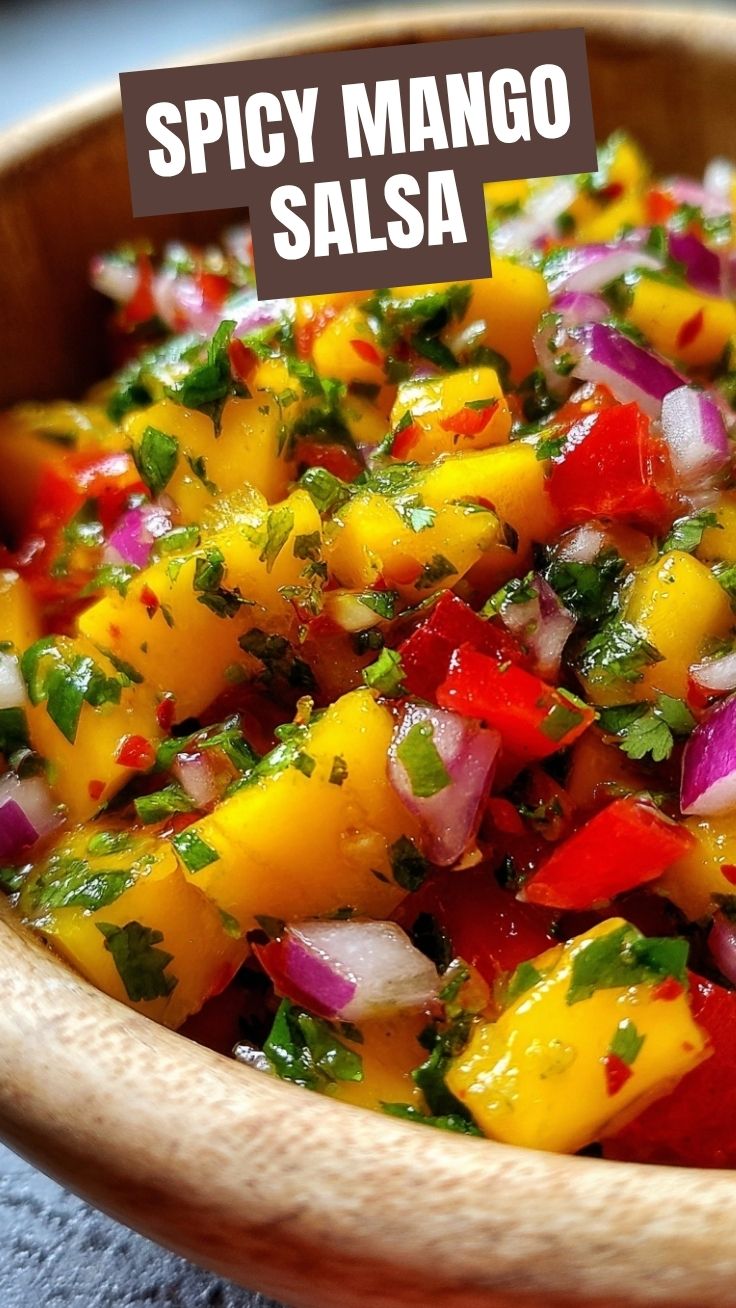
This recipe is all about fresh prep! There’s no cooking involved, making it a quick and satisfying kitchen project.
- Prep Time: 20-25 minutes (for both salsas)
- Marinating/Resting Time: 15-30 minutes (minimum, to allow flavors to meld beautifully)
Plan to prepare the salsa just before your meal or a few hours in advance. The brief resting time is crucial for the flavors to fully develop and meld, transforming individual ingredients into a harmonious blend.
Step-by-Step Instructions
Let’s get chopping! Here’s how to create your fresh and flavorful Mango Salsa and its traditional companion, Pico de Gallo.
1. Prepare the Mangoes: Peel the mangoes using a vegetable peeler or a sharp knife. Carefully slice the flesh away from the large, flat pit, then dice the mango into small, uniform cubes (about 1/4 to 1/2 inch). Place diced mango in your large mixing bowl.
2. Dice Vegetables for Mango Salsa: Dice the red bell pepper and red onion into similar-sized pieces as the mango. Mince the jalapeño (remove seeds and membranes for less heat). Add these to the bowl with the mango.
3. Chop Cilantro for Mango Salsa: Finely chop about half of the fresh cilantro and add it to the mango mixture.
4. Dress the Mango Salsa: Squeeze the juice from one lime over the salsa ingredients. Drizzle with a tablespoon of olive oil. Season with salt and pepper to taste. Gently stir all ingredients together until well combined.
5. Prepare Tomatoes for Pico de Gallo: Dice the Roma tomatoes into small, even pieces, similar to the mango for consistency. Place them in a separate small bowl.
6. Dice Remaining Vegetables for Pico de Gallo: Mince the remaining red onion (or use a fresh half if preferred for distinct flavor profiles) and the optional serrano pepper. Add these to the diced tomatoes.
7. Chop Remaining Cilantro: Finely chop the remaining cilantro and add it to the tomato mixture.
8. Dress the Pico de Gallo: Squeeze the juice from the second lime over the ingredients. Season generously with salt and fresh black pepper. Stir gently to combine.
9. Rest and Serve: Cover both the homemade Mango Salsa and the fresh Pico de Gallo and let them rest in the refrigerator for at least 15-30 minutes. This allows the flavors to deepen and meld beautifully. Taste and adjust seasoning before serving.
Nutritional Benefits & Advantages
Both Mango Salsa and Pico de Gallo are powerhouses of nutrition. Mangoes are rich in vitamins C and A, excellent for immunity and skin health, and provide dietary fiber for digestive well-being. Bell peppers are packed with antioxidants, especially vitamin C, while onions and jalapeños offer anti-inflammatory compounds. Tomatoes, the base of Pico de Gallo, are a fantastic source of lycopene, a potent antioxidant. The fresh lime juice adds another layer of vitamin C. This vibrant duo is naturally low in calories and fat, making them a healthy, flavorful addition to almost any diet.
Tips Variations & Cooking Advice
- Spice Level Control: For less heat, remove all seeds and membranes from the jalapeño and serrano. For more heat, leave some in, or add a pinch of cayenne pepper.
- Finer Dice: A finer dice on all ingredients creates a more integrated flavor profile and a smoother texture.
- Herbal Variations: Experiment with a touch of mint or basil in your Mango Salsa for an unexpected twist.
- Fruit Swaps: Instead of mango, try equal parts diced pineapple or stone fruits like peaches or nectarines for a seasonal variation.
- Serving Suggestions: Beyond tacos and grilled proteins, these salsas are fantastic with tortilla chips, as a topping for scrambled eggs, or even mixed into plain yogurt for a savory snack.
Common Mistakes to Avoid
- Overripe or Underripe Mangoes: An underripe mango will be tart and hard, while an overripe one will be mushy. Aim for firm but slightly yielding mangoes with a fragrant aroma.
- Uneven Dicing: Inconsistent piece sizes lead to an unbalanced texture and flavor in the final product. Take your time to dice all ingredients uniformly.
- Skipping the Rest Time: This is crucial! Rushing to serve denies the ingredients the opportunity to meld and deepen their flavors.
- Lack of Seasoning: Don’t be shy with salt and pepper. These are essential for bringing out the natural sweetness and tang of the ingredients. Always taste and adjust.
Storage & Meal Prep Tips
Both salsas are best enjoyed fresh, but they can be prepared ahead of time.
- Refrigeration: Store leftover Mango Salsa and Pico de Gallo in an airtight container in the refrigerator for up to 3-4 days. The flavors may intensify slightly over time.
- Appearance Change: The cilantro and avocado (if added) may brown slightly due to oxidation, but the salsa will generally remain safe to eat. A fresh squeeze of lime juice before serving can help revive its color.
- Freezing: Freezing is not recommended for these fresh salsas as the texture of the mango and tomatoes will become mushy upon thawing.
Conclusion
Crafting your own vibrant Mango Salsa and zesty Pico de Gallo is a surprisingly simple yet incredibly rewarding culinary experience. These fresh, flavorful condiments are not only delicious but also packed with nutrients, offering an easy way to brighten any meal. We encourage you to try this recipe and experience the joy of homemade freshness. Share your results and how you’ve used your delicious homemade Mango Salsa and Pico de Gallo in the comments below!
FAQs
Q1: How do I choose a ripe mango?
A1: A ripe mango will have a sweet, fragrant aroma near the stem and will give slightly when gently squeezed. Avoid mangoes with wrinkled skin or bruises.
Q2: Can I make these salsas ahead of time for a party?
A2: Absolutely! You can prepare them up to a day in advance. Store them in an airtight container in the refrigerator. The flavors often meld even better after a few hours.
Q3: What if I don’t like cilantro?
A3: If cilantro isn’t your preference, you can substitute it with fresh parsley or omit it entirely. The salsa will still be delicious, just with a slightly different flavor profile.
Q4: How can I make my mango salsa less watery?
A4: Ensure your mango and tomatoes are not overly ripe, as they can release more liquid. Also, finely dicing the ingredients can help, as larger chunks tend to release more juice. A small pinch of salt can also help draw out some moisture before serving.
Q5: What are some creative ways to use these salsas?
A5: Beyond the classic, try them on grilled chicken or fish, stirred into quinoa or rice bowls, as a topping for baked potatoes, or even mixed into a cream cheese spread for a delicious dip.