Beyond the Grill: Unlocking the Secrets to Perfectly Seared Salmon Every Time
Ever wonder how restaurants achieve that perfectly flaky, impossibly tender salmon with a crisp, golden skin? The truth is, it’s not as daunting as it seems, and mastering the art of searing salmon at home opens up a world of high protein grilled salmon recipes that are both delicious and incredibly healthy. Forget dry, overcooked fish; this guide will transform your kitchen into a gourmet seafood haven, making home-cooked healthy grilled salmon meals a regular and celebrated event. Preparing this at home not only guarantees fresh, high-quality ingredients but also allows for complete control over flavors and dietary needs, making it a valuable addition to any home cook’s repertoire.
Ingredients & Kitchen Tools
To embark on your journey to culinary salmon perfection, gather these essentials:
- Salmon Fillets (2, 6-8 oz each): Opt for skin-on, center-cut fillets for best results, as the skin adds flavor and helps prevent sticking. Wild-caught sockeye or Atlantic salmon are excellent choices.
- Olive Oil (2 tbsp): A good quality extra virgin olive oil for searing and a lighter olive oil for seasoning.
- Lemon (1, medium): Fresh lemon juice brightens the flavors and helps cut through the richness of the salmon. Zest is also a welcome addition.
- Garlic (2 cloves): Minced finely, garlic infuses aroma and a subtle savory note.
- Fresh Herbs (e.g., Dill, Parsley, Chives, 2 tbsp, chopped): Adds fresh, aromatic flair. Dill is a classic pairing with salmon.
- Salt (to taste): Kosher or sea salt for seasoning.
- Black Pepper (to taste): Freshly ground black pepper enhances the flavor.
- Optional Substitutions: Experiment with paprika, onion powder, or a touch of cayenne for a kick.
Kitchen Tools:
- Cast Iron Skillet or Heavy-Bottomed Pan: Essential for achieving a perfect sear and even heat distribution.
- Tongs: For handling the salmon gently without tearing.
- Spatula: Preferably a thin, sturdy metal spatula for easy flipping.
- Small Bowl: For mixing seasonings.
- Cutting Board & Knife: For prepping ingredients.
Prep Time & Cooking Schedule
- Prep Time: 10 minutes
- Cook Time: 8-12 minutes (depending on thickness and desired doneness)
- No Marinating Time Required: This recipe focuses on quick searing for immediate gratification.
This recipe is designed for efficiency, making it perfect for a weeknight dinner when time is at a premium. The brief prep time means you can go from fridge to fork in under 25 minutes, effortlessly fitting delightful, healthy meals into your busy schedule.
Step-by-Step Instructions
1. Pat Dry & Season: Remove salmon from the refrigerator and pat both sides thoroughly dry with paper towels. This is crucial for a crispy skin! In a small bowl, combine olive oil, minced garlic, a squeeze of lemon juice, salt, pepper, and your chosen fresh herbs. Rub this mixture evenly over both sides of thesalmon fillets. This preparation is a foundational step for all exemplary high protein grilled salmon recipes.
2. Preheat Pan: Place your cast iron skillet or heavy-bottomed pan over medium-high heat. Allow it to preheat for 3-5 minutes until it’s very hot but not smoking. A well-heated pan is key to preventing sticking and achieving that beautiful sear, contributing to truly healthy grilled salmon meals.
3. Sear Skin-Side Down: Add a tablespoon of olive oil to the hot pan. Carefully place the salmon fillets, skin-side down, in the pan. Press down gently with a spatula for the first 30 seconds to ensure full contact with the pan.
4. Cook Skin-Side: Let the salmon cook undisturbed for 4-6 minutes, or until the skin is golden brown and crispy, and the flesh has turned opaque about two-thirds of the way up the fillet. Reduce heat to medium if the skin is browning too quickly.
5. Flip & Finish: Carefully flip the salmon fillets over. Cook for another 2-4 minutes, or until the salmon reaches your desired doneness. For medium-rare, aim for an internal temperature of 125-130°F (52-54°C). For medium, 135-140°F (57-60°C).
6. Rest: Remove the salmon from the pan and let it rest on a plate for a few minutes. This allows the juices to redistribute, resulting in a more tender and flavorful fillet.
7. Serve: Garnish with fresh lemon wedges and your favorite side dishes.
Nutritional Benefits & Advantages
Salmon is a nutritional powerhouse, packed with:
- Omega-3 Fatty Acids: Essential for heart health, brain function, and reducing inflammation.
- High-Quality Protein: Crucial for muscle repair, growth, and satiety.
- Vitamin D: Important for bone health and immune function.
- Vitamin B12: Supports nerve function and red blood cell production.
- Selenium: An antioxidant that helps protect cells from damage.
Regularly incorporating salmon into your diet can contribute to a healthier lifestyle, supporting overall well-being and providing sustained energy.
Tips, Variations & Cooking Advice
- Flavor Variations: For an Asian twist, marinate with soy sauce, ginger, and sesame oil. For a spicy kick, add a pinch of chili flakes or a drizzle of sriracha.
- Ingredient Swaps: No fresh herbs? Dried herbs can work, but use a smaller amount (e.g., 1 tsp dried dill).
- Alternative Cooking Methods: While searing offers the best crisp, you can bake salmon at 400°F (200°C) for 12-15 minutes or grill it over medium-high heat for 4-5 minutes per side.
- Portion Control: A standard serving of salmon is around 6 ounces. Adjust based on your dietary needs.
- Dietary Adaptations: Naturally gluten-free and dairy-free, this recipe is incredibly versatile for various dietary preferences.
Common Mistakes to Avoid
- Not Patting Dry: The biggest culprit for soggy skin. Moisture creates steam, preventing a crisp sear.
- Cold Pan: Placing salmon in a cold pan will cause it to stick and result in uneven cooking.
- Overcrowding the Pan: Cook in batches if necessary. An overcrowded pan lowers the temperature and steams the fish instead of searing it.
- Overcooking: Salmon cooks quickly. Remove it from the heat when it’s slightly under your desired doneness, as it will continue to cook a bit while resting.
Storage & Meal Prep Tips
Leftover salmon can be a delicious addition to future meals.
- Refrigeration: Store cooked salmon in an airtight container in the refrigerator for up to 3 days.
- Freezing: For longer storage, freeze individual portions in airtight freezer bags for up to 3 months. Thaw overnight in the refrigerator before reheating.
- Reheating: Gently reheat in a preheated oven at 275°F (135°C) for 10-15 minutes, or in a pan over low heat with a splash of water or broth to prevent drying out. Avoid microwaving if possible, as it can make the salmon rubbery. Leftover salmon is also excellent cold in salads or sandwiches.
Conclusion
Mastering the art of searing salmon is a game-changer for any home cook, unlocking a world of culinary possibilities. With this guide, you now have the tools and knowledge to consistently prepare perfectly flaky, incredibly flavorful salmon that rivals any restaurant dish. Dive into the delicious world of high protein grilled salmon recipes and discover the joy of creating truly extraordinary healthy grilled salmon meals. We encourage you to try this recipe, experiment with the variations, and share your delightful creations!
FAQs
Q1: How do I know when my salmon is cooked through?
A1: The easiest way is to check the internal temperature with a meat thermometer. For medium-rare, aim for 125-130°F (52-54°C); for medium, 135-140°F (57-60°C). Alternatively, the flesh should flake easily with a fork and appear opaque throughout.
Q2: Can I use skinless salmon fillets?
A2: Yes, absolutely! Skinless fillets will cook slightly faster and may not achieve the same crispy exterior, but they will still be delicious. Reduce cooking time on each side by 1-2 minutes.
Q3: What are some good side dishes to pair with seared salmon?
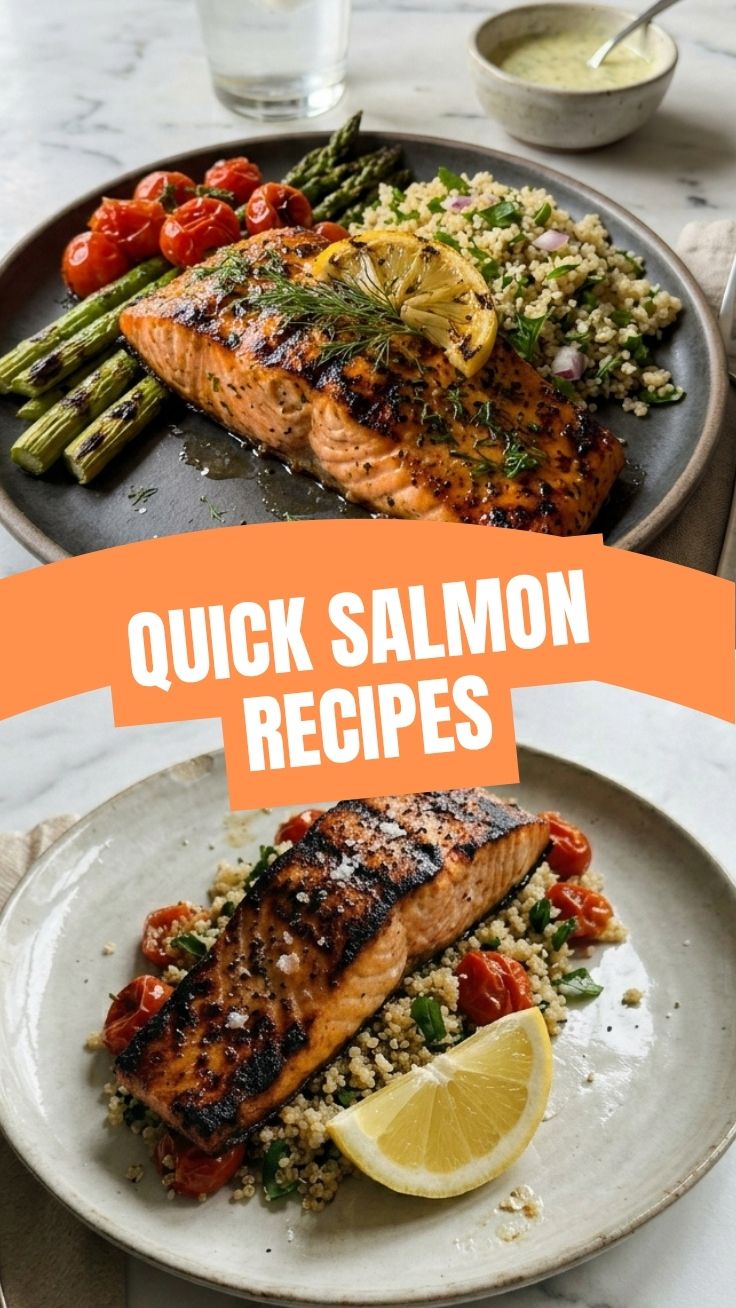
A3: Seared salmon pairs wonderfully with roasted asparagus, steamed broccolini, a light quinoa salad, mashed potatoes, or a simple green salad with a vinaigrette dressing.
Q4: My salmon always ends up sticking to the pan. What am I doing wrong?
A4: This often happens if the pan isn’t hot enough or if you haven’t used enough oil. Ensure your pan is very hot before adding the fish and don’t overcrowd it. A cast iron skillet is less prone to sticking.
Q5: Can I marinate the salmon for longer than specified?
A5: While this recipe is designed for a quick sear, you can marinate salmon for up to 30 minutes to an hour at room temperature or up to 2-3 hours in the refrigerator for deeper flavor infusion. Avoid marinating for too long, as acidic marinades can start to “cook” the fish (like ceviche).