Unlock the Flavors of the Mediterranean: Your Ultimate Guide to a Perfect Greek Salad
Are you ready to elevate your culinary game and bring the vibrant tastes of the Aegean directly to your kitchen? Imagine biting into a crisp, refreshing, and utterly delicious salad bursting with sun-drenched flavors. Preparing a phenomenal Greek Salad at home isn’t just about mixing ingredients; it’s about crafting an experience, a journey to the heart of Mediterranean cuisine. This guide will empower you to create a salad that rivals any restaurant, offering fresh, wholesome ingredients and an unforgettable taste that celebrates simplicity and quality. Let’s dive into mastering this iconic dish, a truly healthy and delightful addition to any meal.
Ingredients & Kitchen Tools
Crafting the perfect Greek Salad requires a thoughtful selection of fresh ingredients and a few basic kitchen tools.
Ingredients:
- Ripe Tomatoes (2-3 medium): Opt for firm, red tomatoes like vine-ripened or beefsteak for maximum juiciness and flavor.
- English Cucumber (1 large): Less seedy and with thinner skin than regular cucumbers, ensuring a pleasant crunch.
- Red Onion (1/2 medium): Adds a sharp, piquant flavor. Slice thinly for better dispersal.
- Bell Pepper (1, preferably green): Provides a sweet crunch and traditional color.
- Kalamata Olives (1/2 cup, pitted): Essential for that distinctive salty, briny Mediterranean taste. Look for unpitted if you prefer, but pitting saves time.
- Feta Cheese (4 oz block): Crucial for its tangy, creamy texture. A block is preferred over crumbles for authenticity and better flavor.
- Extra Virgin Olive Oil (1/4 cup): High-quality oil is key for the dressing; it carries the flavors.
- Red Wine Vinegar (2 tbsp): Provides the necessary acidity to balance the richness.
- Dried Oregano (1 tsp): Authentic Greek herb, adds aromatic depth.
- Salt and Freshly Ground Black Pepper (to taste): Seasoning is paramount for bringing out the flavors.
Kitchen Tools:
- Large Mixing Bowl: For combining all your salad ingredients.
- Sharp Chef’s Knife: For precise chopping and slicing.
- Cutting Board: A stable surface for all your prep work.
- Whisk or Fork: For emulsifying the dressing.
- Measuring Spoons and Cups: For accurate ingredient ratios.
- Serving Tongs: For easy tossing and serving.
Prep Time & Cooking Schedule
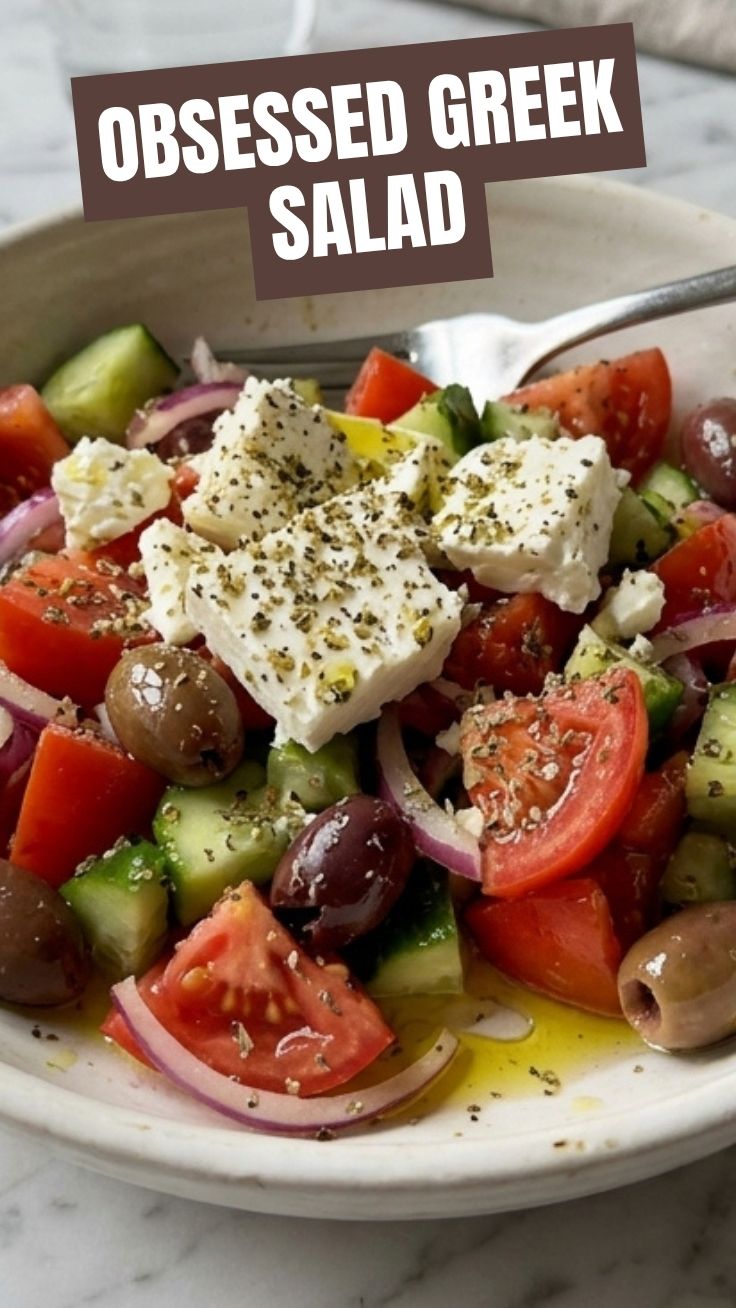
One of the beauties of a Greek Salad is its quick preparation. There’s no cooking involved, making it an ideal choice for a fast, healthy meal.
- Prep Time: 15-20 minutes
- Resting Time (Optional): 5-10 minutes. Allowing the salad to rest briefly after dressing lets the flavors meld beautifully. This is especially good for enhancing the Mediterranean essence.
You can easily prepare this salad just before serving, but for optimal flavor integration, a short resting period in the refrigerator can work wonders.
Step-by-Step Instructions
Follow these simple steps to create a show-stopping Greek Salad that will transport your taste buds to the sun-drenched shores of the Mediterranean.
1. Prepare the Vegetables: Wash all fresh produce thoroughly. Dice the tomatoes into bite-sized pieces. Slice the cucumber into half-moons or dice it. Thinly slice the red onion. Core and seed the bell pepper, then cut it into strips or chunks. Place all prepared vegetables into your large mixing bowl.
2. Add Olives and Feta: Gently add the pitted Kalamata olives to the bowl. If using a block of feta, either crumble it directly over the vegetables or cut it into larger cubes. Traditionally, the feta is placed as a whole slab on top, allowing guests to break off pieces.
3. Make the Dressing: In a small bowl, whisk together the extra virgin olive oil, red wine vinegar, dried oregano, salt, and black pepper until well combined and slightly emulsified. Taste and adjust seasonings as needed.
4. Dress the Salad: Pour the prepared dressing over the vegetables, olives, and feta.
5. Toss and Serve: Gently toss the salad to ensure all ingredients are evenly coated with the dressing. Be careful not to over-toss, especially with the feta, to maintain its shape. Serve immediately, or let it rest for a few minutes to allow the flavors to deepen. This authentic Greek Salad is now ready to impress!
Nutritional Benefits & Advantages
The Greek Salad is a powerhouse of nutrition, embodying the healthy principles of the Mediterranean diet. Rich in fresh vegetables, it provides a high intake of vitamins (A, C, K), minerals (potassium), and dietary fiber, promoting digestive health and satiety. Olive oil, a cornerstone of the dressing, is packed with monounsaturated fats, known for their heart-healthy benefits. Feta cheese offers calcium and protein, while olives contribute healthy fats and antioxidants. This salad is naturally gluten-free and can easily be made vegetarian or vegan by omitting the feta or using a plant-based alternative. It’s a fantastic low-carb option that doesn’t compromise on flavor or nutritional value.
Tips, Variations & Cooking Advice
- Make it a Meal: Add grilled chicken, shrimp, or chickpeas to transform your Greek Salad into a hearty main course.
- Herb Variations: While oregano is classic, a pinch of fresh mint or parsley can add a refreshing twist.
- Vinegar Swap: If you don’t have red wine vinegar, apple cider vinegar can be a suitable substitute, though the flavor profile will be slightly different.
- Onion Mellowing: If you find red onion too strong, soak the sliced onion in cold water for 10-15 minutes before adding it to the salad. This mellows its pungency.
- Presentation: For an authentic touch, prepare the salad with larger chunks of vegetables, and place the feta block whole on top, drizzling with extra olive oil and a sprinkle of oregano.
Common Mistakes to Avoid
- Over-dressing: Start with less dressing and add more if needed. A soggy salad is never appealing. The goal is to lightly coat, not drown, the ingredients.
- Using Pre-crumbled Feta: Block feta is generally superior in flavor and texture, lacking the additives often found in pre-crumbled varieties.
- Poor Quality Ingredients: This simple salad shines when made with the freshest, highest-quality produce and olive oil. Compromising on quality will significantly impact the final taste.
- Tossing Too Vigorously: Be gentle when tossing, especially with feta, to prevent it from breaking down too much.
Storage & Meal Prep Tips
For best results, consume your Greek Salad fresh. However, if you have leftovers or want to prep ahead:
- Storage: Store any undressed components (chopped vegetables, olives) separately in airtight containers in the refrigerator for up to 3-4 days. Store the dressing in a separate container.
- Assembly: When ready to eat, combine the desired amount of ingredients and dress fresh.
- Dressed Salad: A dressed salad will keep for about 1-2 days in the refrigerator, but the vegetables may soften, and the dressing might separate. It’s still edible but past its peak crispness. Freezing is not recommended as it will alter the texture of the fresh vegetables.
Conclusion
Mastering the art of the Greek Salad is a delightful achievement that brings the essence of the Mediterranean to your table. By focusing on fresh, high-quality ingredients and following these straightforward steps, you can create a vibrant, healthy, and incredibly flavorful dish that is perfect as a side, a light lunch, or even an appetizer. We encourage you to try this recipe, experiment with the suggested variations, and share your delicious results! Explore the joy of simple, authentic flavors, and let this classic side dish become a staple in your home.
FAQs
Q1: Can I make this Greek Salad vegan?
A1: Absolutely! Simply omit the feta cheese or substitute it with a plant-based feta alternative.
Q2: What’s the best type of olive oil to use for the dressing?
A2: Always opt for a good quality extra virgin olive oil. Its rich, fruity flavor is essential for an authentic Mediterranean dressing.
Q3: How can I prevent the red onion from being too strong?
A3: Thinly slice the red onion and then soak it in a bowl of cold water for 10-15 minutes. This helps to reduce its sharp, pungent flavor.
Q4: Can I add other vegetables to this salad?
A4: While the traditional Greek Salad calls for specific ingredients, feel free to add other fresh vegetables like cherry tomatoes, capers, or even some thinly sliced radishes if you want to experiment.
Q5: How long does the dressing last?
A5: The homemade dressing can be stored in an airtight container in the refrigerator for up to a week. Shake well before each use, as the oil and vinegar may separate.