Unlock the Secret to the Perfect Greek Salad: Freshness, Flavor, and Mediterranean Magic!
Ever wonder how those vibrant, refreshing salads from your favorite Mediterranean restaurant achieve such an explosion of flavor? The secret lies in simple, fresh ingredients and a passionate approach to cooking. Today, we’re diving deep into crafting the quintessential Greek Salad right in your own kitchen – a culinary masterpiece that’s not just a dish, but a sun-drenched, herbaceous experience. Forget limp lettuce and bland dressings; preparing this classic at home means you control the quality, freshness, and ultimately, the unforgettable taste. And if you’re a fan of the broader culinary landscape, this particular Mediterranean Salad recipe is poised to become your new go-to for healthy, delicious eating.
Ingredients & Kitchen Tools
Crafting the perfect Greek Salad is all about quality ingredients and the right tools.
- Ripe Tomatoes (2-3 medium): Opt for vibrant red, firm-yet-yielding tomatoes like Roma or beefsteak for maximum sweetness and juiciness.
- Cucumber (1 large English or 2 small field): English cucumbers are seedless and less watery, but any fresh, firm cucumber will do.
- Red Onion (1/2 small): Adds a sharp, pungent bite. Slice it very thinly for better integration.
- Kalamata Olives (1/2 cup, pitted): Essential for their briny, fruity flavor. Look for good quality, oil-packed olives.
- Feta Cheese (4 oz block, not pre-crumbled): The cornerstone of the Greek Salad! Crumbled freshly for a creamy, tangy texture and superior taste.
- Green Bell Pepper (1 small): Adds a subtle crispness and a hint of fresh, vibrant flavor.
- Extra Virgin Olive Oil (1/4 cup): A high-quality oil is crucial for the dressing and overall flavor.
- Red Wine Vinegar (2 tablespoons): Provides the necessary tang and acidity.
- Dried Oregano (1 teaspoon): The quintessential herb for an authentic Greek taste.
- Salt and Freshly Ground Black Pepper (to taste): Season generously but taste first, especially with salty feta and olives.
- Kitchen Tools: Large mixing bowl, sharp chef’s knife, cutting board, measuring spoons/cups, small whisk for dressing.
- Optional Substitutions: Cherry tomatoes for a sweeter bite, capers for an extra briny kick, or a pinch of fresh mint for a unique twist. For a dairy-free option, marinated artichoke hearts can stand in for feta in a Mediterranean Salad.
Prep Time & Cooking Schedule
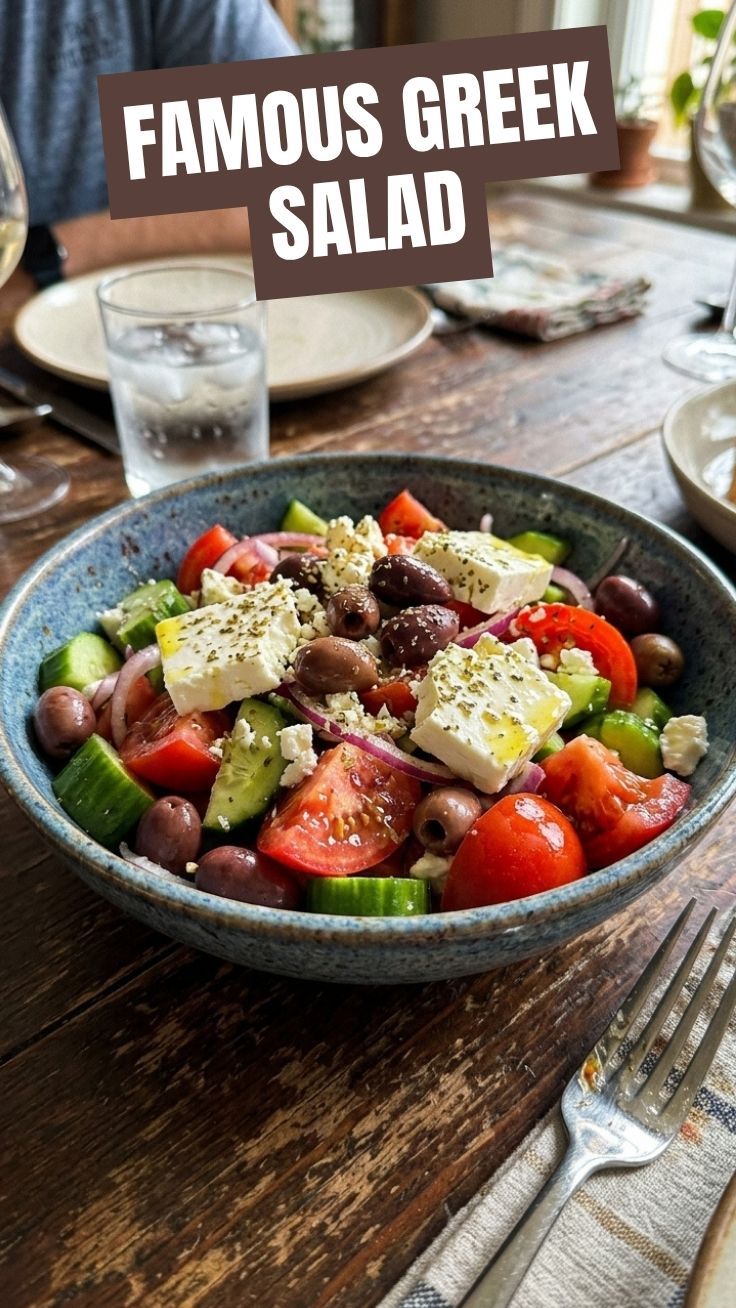
This Greek Salad is a marvel of efficiency!
- Prep Time: 15-20 minutes
- Cook Time: 0 minutes
- Resting/Marinating Time: 10 minutes (optional, but highly recommended for flavors to meld)
The beauty of this recipe is its swift preparation. You can chop all your vegetables in advance and store them separately in the refrigerator. Assemble and dress the salad just before serving for optimal freshness and texture. A 10-minute rest after dressing allows the flavors to truly infuse, elevating your Greek Salad from good to extraordinary.
Step-by-Step Instructions
Follow these simple steps for a perfectly balanced and flavorful experience:
1. Prepare the Vegetables: Wash and thoroughly dry all your produce. Dice the tomatoes, cucumber, and green bell pepper into roughly 1-inch pieces. Halve the red onion, then slice it very thinly using a sharp knife or mandoline. Aim for uniform pieces to ensure even distribution of flavor in your Mediterranean Salad.
2. Combine Ingredients: In a large mixing bowl, gently combine the diced tomatoes, cucumber, green bell pepper, thinly sliced red onion, and pitted Kalamata olives. Don’t overmix at this stage; we want distinct components.
3. Prepare the Dressing: In a small bowl or jar, whisk together the extra virgin olive oil, red wine vinegar, dried oregano, salt, and black pepper until emulsified. Taste and adjust seasoning as needed.
4. Dress the Salad: Pour the dressing over the vegetables in the large bowl. Toss gently to coat all the ingredients evenly.
5. Add Feta: Crumble the block of feta cheese directly over the dressed vegetables. You can also cube it for a more rustic presentation.
6. Serve: For best results, let the Greek Salad rest for 10 minutes to allow the flavors to marry. Serve immediately as a side dish or a light, refreshing main course.
Nutritional Benefits & Advantages
The Greek Salad is a powerhouse of nutrition. Tomatoes are rich in lycopene, a powerful antioxidant, while cucumbers provide hydration and vitamins K and C. Olives offer healthy monounsaturated fats and antioxidants, and red onions contain quercetin, an anti-inflammatory compound. Feta cheese contributes calcium and protein. The extra virgin olive oil is full of heart-healthy fats, making this salad a delightful and nourishing component of any balanced diet. It’s naturally gluten-free and can easily be made vegetarian (which it is!) or vegan with a feta alternative, making it incredibly versatile.
Tips, Variations & Cooking Advice
- Marinade the Onions: For a less pungent onion flavor, soak thinly sliced red onion in ice water for 10-15 minutes before adding to the salad.
- Herb Power: Don’t limit yourself to just oregano! Fresh parsley or a sprinkle of dill can add another dimension of flavor.
- Add Protein: Transform this into a more substantial meal by adding grilled chicken, shrimp, or a can of drained chickpeas for a heartier Mediterranean Salad.
- Spice it up: A pinch of red pepper flakes in the dressing can add a subtle kick.
- Don’t skimp on quality: The simple ingredients truly shine here, so invest in good extra virgin olive oil and authentic Kalamata olives.
Common Mistakes to Avoid
- Pre-Dressing Too Early: Dressing the salad too far in advance can make the vegetables watery and soggy. Always dress just before serving or allow for a brief resting period (10-15 minutes max).
- Using Pre-Crumbled Feta: These often contain anti-caking agents that affect flavor and texture. A block of feta is worth the extra minute to crumble.
- Over-Salting: Feta cheese and Kalamata olives are already salty. Taste your salad before adding extra salt to avoid an overly briny experience.
- Large Vegetable Chunks: While “rustic” can be charming, overly large pieces can make the salad difficult to eat and prevent flavors from melding properly. Aim for bite-sized pieces.
Storage & Meal Prep Tips
This Greek Salad is best enjoyed fresh. However, if you have leftovers, store the dressed salad in an airtight container in the refrigerator for up to 1-2 days. The vegetables may soften slightly, but the flavors will still be delicious. For meal prep, chop all vegetables and prepare the dressing separately. Store them in individual containers in the fridge. When ready to eat, combine and dress. This keeps your salad crisp and vibrant. Do not freeze the salad, as the high water content of the vegetables will lead to a mushy texture upon thawing.
Conclusion
There you have it – the ultimate guide to creating a dazzling Greek Salad that transports your taste buds straight to the sunny shores of the Mediterranean. With its vibrant colors, refreshing crunch, and savory tang, this classic dish is more than just a side; it’s a celebration of fresh, simple ingredients and timeless flavor. Whether you’re seeking a light lunch, a vibrant side, or a healthy addition to your meal plan, this Mediterranean Salad promises satisfaction. Give this recipe a try, share your delightful creations, and let us know your favorite variations in the comments below!
FAQs
Q1: Can I make this Greek Salad vegan?
A1: Absolutely! Simply omit the feta cheese. For added richness, consider adding marinated artichoke hearts or a sprinkle of nutritional yeast for a cheesy flavor.
Q2: What’s the best type of cucumber to use?
A2: English cucumbers are preferred due to their thin skin and minimal seeds, reducing the need for peeling or de-seeding. However, standard field cucumbers work perfectly; you might just want to peel them and scoop out any large seeds.
Q3: How long can I store the dressing?
A3: The homemade dressing, if stored in an airtight container in the refrigerator, can last for up to a week. Give it a good shake or whisk before each use as the oil and vinegar may separate.
Q4: Can I add other vegetables to this Greek Salad?
A4: While the traditional Greek Salad sticks to specific ingredients, feel free to experiment! Cherry tomatoes, thinly sliced radishes, or even some fresh spinach can be wonderful additions to a broader Mediterranean Salad without losing its core essence.
Q5: My red onion flavor is too strong. What can I do?
A5: To mellow the sharpness of raw red onion, slice it thinly and soak it in a bowl of ice water for 10-15 minutes. Drain thoroughly and pat dry before adding to the salad. This technique significantly reduces the pungent bite.