Mastering Homemade Gnocchi: Your Guide to Pillowy Perfection
Are you ready to transform humble ingredients into a culinary masterpiece that will delight your family and friends? Forget store-bought pasta! Preparing homemade Gnocchi from scratch is a rewarding experience, offering unparalleled freshness and flavor that you simply can’t achieve with pre-packaged alternatives. This comprehensive guide will walk you through every step of creating exquisite Potato gnocchi, ensuring a truly authentic and delicious outcome. From selecting the right potatoes to the perfect simmering technique, we’ll cover it all, empowering you to create these delightful Italian dumplings right in your own kitchen.
Ingredients & Kitchen Tools
Crafting the perfect Gnocchi requires a few essential items. Here’s what you’ll need:
- Russet or Yukon Gold Potatoes (2 lbs): Ideal for Potato gnocchi due to their high starch content and low moisture, which yields a light and fluffy texture. Avoid waxy varieties.
- All-Purpose Flour (1 to 1.5 cups): The binding agent. Start with 1 cup and add more only if necessary.
- Egg Yolk (1 large): Adds richness and helps bind the dough.
- Salt (1 teaspoon): Enhances the overall flavor.
- Nutmeg (pinch): A traditional seasoning that complements potato dishes beautifully.
- Large Pot: For boiling potatoes and later, the gnocchi.
- Potato Ricer or Food Mill: Essential for creating fine, lump-free potato mash. A fork can be used as a last resort, but a ricer is highly recommended for optimal texture.
- Large Mixing Bowl: For combining ingredients.
- Dough Scraper or Bench Scraper: Helps handle the sticky dough and cut gnocchi.
- Fork or Gnocchi Board: For shaping gnocchi (optional, but adds a traditional touch).
- Baking Sheet lined with Parchment Paper: For resting shaped gnocchi to prevent sticking.
- Slotted Spoon: For removing cooked gnocchi from the boiling water.
Prep Time & Cooking Schedule
- Prep Time: 30 minutes
- Cook Time: 20-25 minutes (for potatoes), 2-3 minutes per batch (for gnocchi)
- Resting Time: 15-20 minutes (for shaped gnocchi before cooking)
It’s best to prepare the gnocchi dough and shape it shortly before cooking to prevent it from becoming too sticky. You can also make the dough a few hours ahead and keep it covered in the refrigerator, but let it come to room temperature slightly before shaping.
Step-by-Step Instructions
1. Cook the Potatoes: Wash and peel the potatoes. Cut them into 1-inch pieces to ensure even cooking. Place them in a large pot, cover with cold, salted water, and bring to a boil. Reduce heat and simmer until fork-tender, about 15-20 minutes.
2. Mash the Potatoes: Drain the cooked potatoes thoroughly. Pass them through a potato ricer or food mill directly into a large mixing bowl. It’s crucial to do this while the potatoes are hot to avoid lumps and excess moisture. Avoid over-mashing, as this can lead to gummy Gnocchi.
3. Combine Ingredients: Spread the still-warm mashed potatoes on your work surface or in the bowl to cool slightly for a few minutes. Create a well in the center. Add the egg yolk, salt, and a pinch of nutmeg to the well. Gradually sprinkle in about 1 cup of flour around the edges.
4. Form the Dough: Using a dough scraper or your hands, gently fold the flour into the potato mixture until just combined. Avoid overworking the dough, which develops gluten and makes gnocchi tough. If the dough is too sticky to handle, add a little more flour, one tablespoon at a time, until it’s pliable but still soft. The ideal Potato gnocchi dough should be somewhat sticky but manageable.
5. Shape the Gnocchi: Divide the dough into four-six portions. On a lightly floured surface, roll each portion into a long rope, about 1/2 to 3/4 inch in diameter. Cut the ropes into 3/4 to 1-inch pieces. For traditional ridges, gently roll each piece over the back of a fork or a gnocchi board, pressing lightly with your thumb to create a slight indentation. This helps the sauce adhere better.
6. Rest and Cook: Arrange the shaped gnocchi on a parchment-lined baking sheet, ensuring they don’t touch. Let them rest for 15-20 minutes. Bring a large pot of heavily salted water to a rolling boil. Drop the gnocchi in small batches (about 20-30 at a time) to avoid overcrowding.
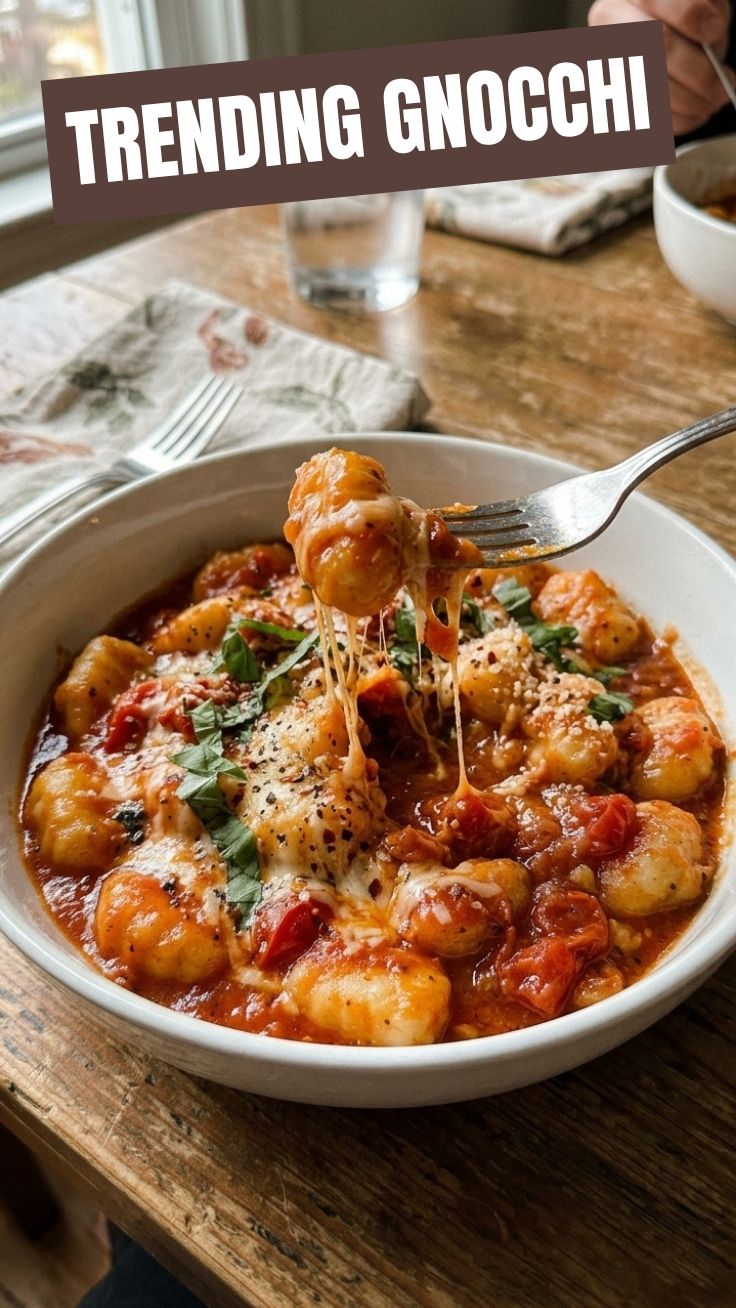
7. Serve: The gnocchi will float to the surface when cooked, usually within 2-3 minutes. Use a slotted spoon to transfer them directly to your warmed sauce. Serve immediately with your favorite sauce, such as pesto, marinara, or a brown butter sage sauce.
Nutritional Benefits & Advantages
Homemade Gnocchi, particularly those made with potatoes, offers several nutritional advantages. Potatoes are a good source of complex carbohydrates, providing sustained energy, and are rich in Vitamin C, Vitamin B6, and potassium. When made at home, you have complete control over the ingredients, allowing you to avoid artificial additives and preservatives often found in store-bought versions. This makes your Potato gnocchi a wholesome and comforting meal.
Tips Variations & Cooking Advice
- Flour wisely: The amount of flour needed can vary based on potato moisture. Add little by little until the dough is just manageable. Too much flour makes gnocchi dense.
- Flavor Boost: For a richer flavor, roast the potatoes instead of boiling them. This reduces moisture and intensifies their potato flavor.
- Herbaceous Gnocchi: Incorporate finely chopped fresh herbs like parsley, chives, or rosemary into the dough.
- Sweet Potato Gnocchi: For a unique twist, substitute regular potatoes with sweet potatoes. Adjust flour as needed.
- Gluten-Free Option: Use a gluten-free all-purpose flour blend specifically designed for baking. Be mindful that the texture might be slightly different.
- Serve creatively: While delicious with classic sauces, try tossing your freshly cooked gnocchi with roasted vegetables, a light cream sauce, or even a simple drizzle of olive oil and Parmesan cheese.
Common Mistakes to Avoid
- Using Waxy Potatoes: Waxy potatoes have high moisture content, leading to a gluey gnocchi texture. Stick to starchy varieties.
- Over-boiling Potatoes: Waterlogged potatoes result in excessively wet dough, requiring too much flour and yielding heavy gnocchi.
- Mashing with a Blender/Food Processor: This overworks the starch, making the gnocchi gummy. A ricer or food mill is crucial.
- Overworking the Dough: Excessive kneading develops gluten, making the gnocchi tough and chewy. Handle the dough as little as possible.
- Overcrowding the Pot: Cooking too many gnocchi at once lowers the water temperature, leading to undercooked or sticky gnocchi.
- Under-salting Water: Just like pasta, Gnocchi absorbs flavor from the cooking water, so make sure it’s generously seasoned.
Storage & Meal Prep Tips
Cooked Gnocchi are best eaten immediately, but leftovers can be stored in an airtight container in the refrigerator for up to 2-3 days. Reheat gently in a pan with a little butter or your preferred sauce.
For meal prep, you can freeze uncooked gnocchi. After shaping, arrange them in a single layer on a parchment-lined baking sheet and freeze until solid. Once frozen, transfer them to a freezer-safe bag or container and store for up to 2-3 months. Cook directly from frozen in boiling water; they may take a minute or two longer to cook.
Conclusion
Creating homemade Gnocchi is a truly rewarding culinary journey that promises tender, flavorful results far superior to their store-bought counterparts. By following these detailed steps and paying attention to key techniques, you’ll master the art of crafting perfect Potato gnocchi every time. Don’t be intimidated; embrace the process, and soon you’ll be enjoying these delightful dumplings with family and friends. We encourage you to try this recipe, experiment with different sauces, and share your delicious creations with us!
FAQs
Q: Can I use different types of potatoes for gnocchi?
A: While Russet or Yukon Gold are highly recommended for their starchiness, you can experiment with other starchy varieties. Avoid waxy potatoes like red bliss or new potatoes, as they result in a gummy texture.
Q: How do I know if my gnocchi dough has too much flour?
A: If your dough feels stiff, dense, or hard to roll, it likely has too much flour. It should be soft, slightly tacky, but still manageable.
Q: What’s the best way to reheat leftover gnocchi?
A: Sautéing in a pan with a little butter or olive oil until lightly golden is a great way to reheat gnocchi, giving them a slightly crispy exterior. You can also warm them gently in your favorite sauce.
Q: Can I make gnocchi without a potato ricer?
A: While a ricer is highly recommended for the silkiest texture, you can use a food mill or even mash the potatoes thoroughly with a fork. Just ensure there are no lumps for the best result.
Q: My gnocchi are falling apart when cooked. What went wrong?
A: This usually means there isn’t enough flour or binder (egg yolk) in the dough, or the dough was overhydrated. Ensure you’ve followed the flour measurements carefully and didn’t over-boil your potatoes.