The Ultimate Guide to Crafting the Perfect Fruit Salad: A Journey to Culinary Delight
Ever wondered how to transform simple fruits into a vibrant, refreshing, and truly spectacular dish that tantalizes the taste buds and nourishes the body? Learning how to prepare a delicious Fruit Salad at home isn’t just about mixing ingredients; it’s about embracing fresh flavors, enhancing your culinary skills, and making conscious choices for a truly healthy fruit salad. In this comprehensive guide, we’ll dive deep into the art and science of crafting a fruit salad that is as aesthetically pleasing as it is wholesome. From selecting the freshest produce to expert preparation techniques, get ready to elevate your fruit salad game to a whole new level.
Ingredients & Kitchen Tools
- Mixed Seasonal Fruits (4-5 cups): Choose a vibrant array such as berries (strawberries, blueberries, raspberries), melon (cantaloupe, honeydew), grapes, kiwi, oranges, apples, and bananas. These offer diverse colors, textures, and nutrients.
- Citrus Juice (2 tbsp): Freshly squeezed orange, lime, or lemon juice. Prevents browning and adds a zesty brightness.
- Honey or Maple Syrup (1-2 tbsp, optional): For a touch of natural sweetness, if desired.
- Fresh Mint Leaves (1/4 cup, optional): Roughly chopped. Adds a refreshing aromatic note.
- Small Paring Knife: Essential for precise fruit cutting and peeling.
- Large Mixing Bowl: For tossing the fruits gently.
- Serving Bowl: To present your beautiful creation.
- Whisk (optional): If preparing a light dressing.
- Cutting Board: A stable surface for safe fruit preparation.
Prep Time & Cooking Schedule
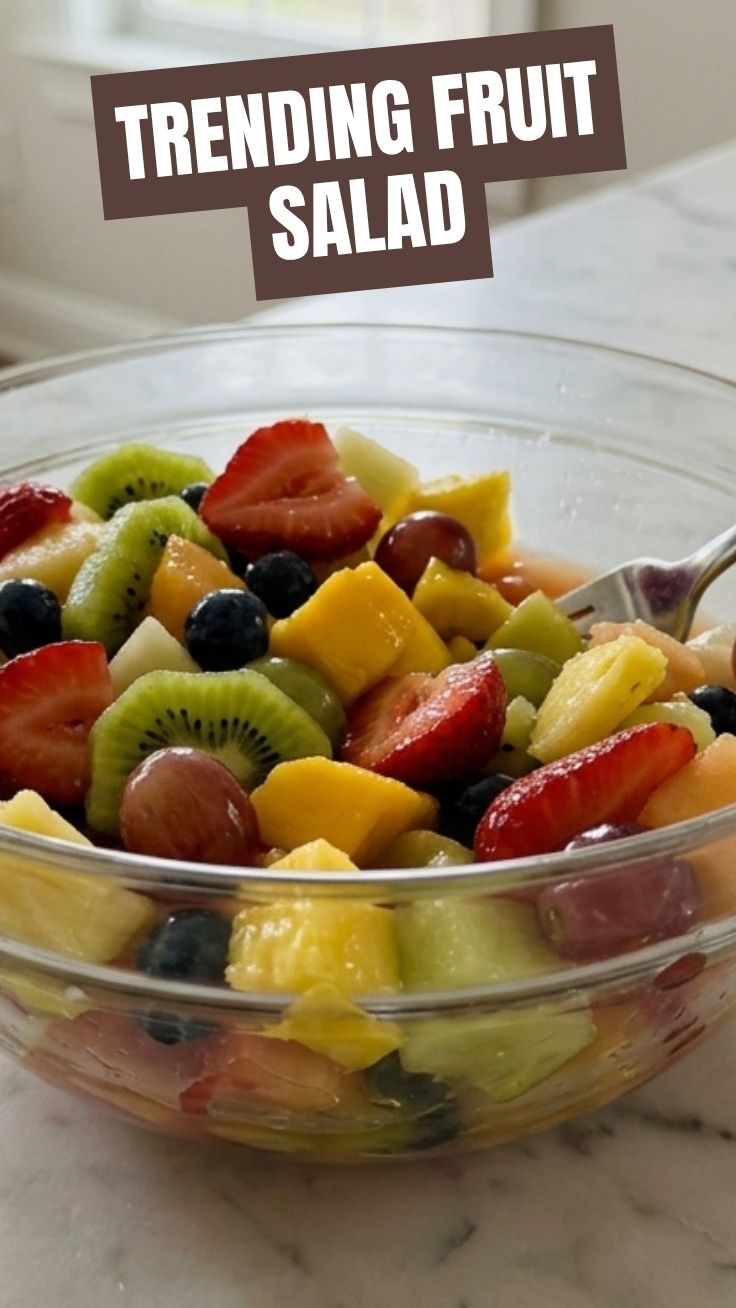
Crafting the perfect fruit salad is all about promptness and freshness. There’s no cooking involved, making this an ideal quick and nutritious option!
- Prep Time: 20-25 minutes (depending on fruit selection and slicing complexity).
- Cook Time: 0 minutes
- Resting Time: 15-30 minutes (optional, allows flavors to meld).
For optimal enjoyment, plan to prepare your fruit salad about 30 minutes before serving. This allows the flavors to truly sing and the fruits to chill slightly, enhancing their refreshing qualities.
Step-by-Step Instructions
1. Wash and Dry All Fruits Thoroughly: This crucial first step removes any dirt or residues. Ensure they are completely dry to prevent a watery fruit salad.
2. Prepare Each Fruit Individually:
* Berries: Gently rinse and pat dry. Hull strawberries.
* Melons: Slice in half, scoop out seeds, then peel and dice into bite-sized cubes.
* Grapes: Wash thoroughly and leave whole or halve larger ones.
* Kiwi: Peel and slice into rounds or half-moons.
* Oranges: Peel, segment, and remove any pith.
* Apples: Core and dice.
* Bananas: Slice just before mixing to prevent browning.
3. Combine in a Large Bowl: Gently place all prepared fruits into a spacious mixing bowl.
4. Add Citrus Juice: Drizzle the citrus juice over the fruits. This not only brightens the flavors but also acts as a natural antioxidant, preventing fruits like apples and bananas from browning prematurely.
5. Sweeten (Optional): If using, drizzle honey or maple syrup over the fruits. Start with a smaller amount and add more to taste.
6. Gently Toss: Using a large spoon or your hands, gently toss the fruits to ensure they are evenly coated with the citrus juice and sweetener. The goal is to mix without bruising the delicate fruits.
7. Add Mint (Optional): Fold in the fresh chopped mint leaves for an extra burst of freshness.
8. Chill and Serve: For the best taste experience, cover the bowl and chill the Fruit Salad in the refrigerator for at least 15-30 minutes before serving. This allows the flavors to meld beautifully, creating a truly healthy fruit salad.
Nutritional Benefits & Advantages
This vibrant fruit salad is a powerhouse of nutrition. It’s packed with essential vitamins (like C and A), minerals, and dietary fiber, which aids digestion and promotes satiety. The natural sugars provide a healthy energy boost without the crash often associated with refined sugars. Being naturally low in calories and fat, it’s an excellent choice for weight management and overall well-being. The diverse array of fruits also contributes a wide spectrum of antioxidants, critical for combating oxidative stress and supporting cellular health.
Tips, Variations, & Cooking Advice
- Flavor Variations: Experiment with a sprinkle of shredded coconut, a handful of chopped nuts (almonds, walnuts) for crunch, or a pinch of cinnamon for warmth.
- Alternative Dressings: Instead of a simple citrus dressing, try a light yogurt-based dressing, a balsamic glaze, or a poppy seed dressing for an elevated touch.
- Dietary Adaptations: This recipe is naturally gluten-free and dairy-free. For a vegan option, ensure you use maple syrup instead of honey.
- Portion Changes: Easily scale the recipe up or down depending on the number of servings needed.
- Presentation: Serve in individual parfait glasses with layers of yogurt for a beautiful breakfast or dessert.
Common Mistakes to Avoid
- Over-mixing: This can bruise delicate fruits and make the salad look unappetizing. Always toss gently.
- Cutting Too Early: Fruits like bananas and apples oxidize quickly. Cut them just before assembling the salad or immediately coat with citrus juice.
- Using Overripe Fruits: While sweet, overly ripe fruits can become mushy and compromise the texture of your salad. Aim for firm, fresh produce.
- Forgetting to Dry Fruits: Excess water can dilute flavors and make your salad watery.
- Ignoring Seasonality: Choosing fruits that are in season ensures the best flavor and quality.
Storage & Meal Prep Tips
Store leftover fruit salad in an airtight container in the refrigerator for up to 2-3 days. Fruits like bananas and apples might brown slightly, but will still be safe to eat. Avoid freezing, as it compromises the texture of most fruits, making them mushy upon thawing. For meal prep, you can pre-cut firmer fruits like melons and grapes, storing them separately. Add softer fruits and the dressing just before serving.
Conclusion
Crafting a delightful Fruit Salad is more than just combining ingredients; it’s about creating a symphony of flavors, textures, and colors that nourish and delight. With fresh, seasonal ingredients and a few simple techniques, you can easily prepare a truly refreshing and incredibly healthy fruit salad that’s perfect for any occasion. We encourage you to try this recipe, experiment with your favorite fruit combinations, and share your delicious results with us! Happy chopping!
FAQs
1. What’s the best way to keep my fruit salad from browning?
* Always add a splash of citrus juice (lemon, lime, or orange) immediately after cutting fruits like apples, bananas, and pears. Its acidity prevents oxidation.
2. Can I make fruit salad a day in advance?
* While best consumed fresh, you can prepare it a day ahead, particularly if using firmer fruits (melons, grapes, oranges). Avoid adding very soft fruits like berries or bananas until just before serving to maintain optimal texture.
3. What fruits should I avoid in a fruit salad?
* While personal preference plays a role, overly watery fruits (like some varieties of watermelon) can make the salad soupy, and very fibrous fruits without proper preparation can be less pleasant. Balance is key.
4. How can I make my fruit salad more interesting for kids?
* Cut fruits into fun shapes using cookie cutters. Add a dollop of whipped cream or a sprinkle of mini chocolate chips for an occasional treat.
5. How do I choose the best fruits for my salad?
* Always select fruits that are ripe but firm. Look for vibrant colors, a pleasant aroma, and avoid any blemishes or soft spots. Seasonal fruits generally offer the best flavor and value.