Unlocking Culinary Elegance: Your Guide to the Perfect French Onion Soup at Home
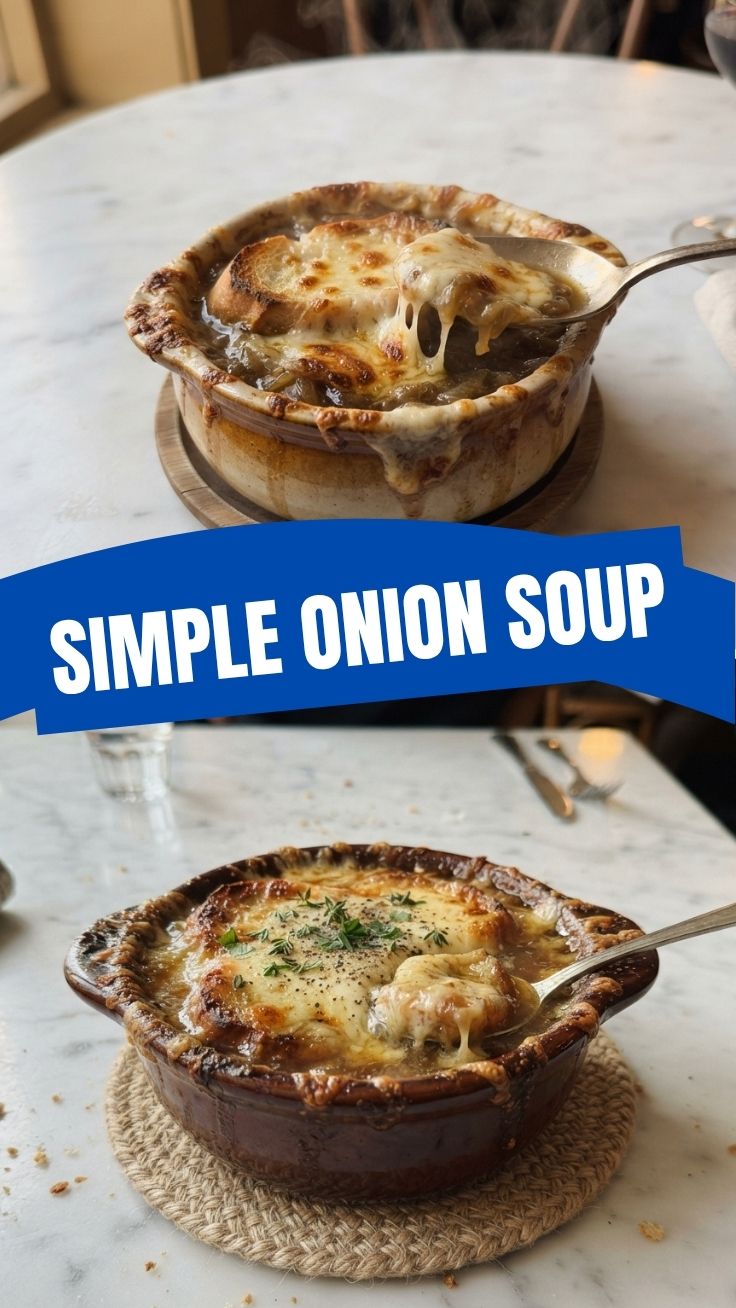
Ever wondered if you could recreate that restaurant-quality, soul-warming bowl of French Onion Soup right in your own kitchen? The answer is a resounding yes! This classic, beloved for its rich, savory broth, deeply caramelized onions, and the glorious cap of melted, bubbly cheese, might seem intimidating, but with the right guidance, it’s surprisingly achievable. Preparing this iconic dish at home not only saves you a trip to a fancy bistro but also allows you to control the quality of ingredients, customize flavors to your preference, and truly savor the process. We’re about to embark on a culinary journey that will demystify the art of caramelizing onions and perfecting that golden-brown Gruyère cheese crust.
Ingredients & Kitchen Tools
Here’s everything you’ll need to bring this culinary masterpiece to life:
- Ingredients:
* 6 large yellow onions (about 3 lbs): The star of the show. Yellow onions caramelize beautifully, developing deep sweetness.
* 4 tbsp unsalted butter: Essential for sautéing and building flavor.
* 1 tsp granulated sugar (optional): Helps jumpstart caramelization.
* 1 tsp salt, ½ tsp black pepper: Seasoning for the onions and broth.
* ¼ cup all-purpose flour: Thickens the broth slightly, creating a silky texture. (Gluten-free option: use 2 tbsp cornstarch mixed with 2 tbsp cold water, added at the end.)
* 1 cup dry white wine (e.g., Sauvignon Blanc or Pinot Grigio): Deglazes the pan and adds depth. (Alcohol-free option: use non-alcoholic white wine or more broth.)
* 8 cups beef broth or stock (low sodium preferred): The base of our flavorful soup. High-quality broth makes a big difference.
* 2 sprigs fresh thyme: Aromatic herb for classic French flavor.
* 1 bay leaf: Another essential aromatic.
* ½ cup brandy or sherry (optional): Adds a complex, rich finish.
* 1 baguette or crusty bread: For the all-important croutons. Stale bread works best.
* 8 oz Gruyère cheese, shredded: The traditional and best cheese for melting into a gooey, savory topping. (Substitution: Emmental, Comté, or even provolone can work.)
- Kitchen Tools:
* Large heavy-bottomed pot or Dutch oven: Crucial for even heat distribution during caramelization.
* Sharp chef’s knife: For slicing onions thinly and uniformly.
* Cutting board: A stable surface for safe slicing.
* Wooden spoon or heat-resistant spatula: For stirring onions.
* Ladle: For serving.
* Oven-safe bowls or crocks (4-6): Essential for broiling the cheese topping.
* Baking sheet: To place crocks on for stability in the oven.
* Box grater: For shredding cheese.
Prep Time & Cooking Schedule
- Prep Time: 25 minutes
* Mainly dedicated to slicing onions. Uniformity is key!
- Cook Time: 2 hours
* Caramelizing Onions: 45-60 minutes (this is where the magic happens and requires patience!)
* Simmering Soup: 30-45 minutes
* Broiling Crocks: 5-10 minutes per batch
- Resting Time: None required, but allowing the soup to sit for 10-15 minutes after simmering can deepen flavors. This is a dish that truly benefits from slow cooking. Plan for at least 2.5-3 hours from start to finish for best results.
Step-by-Step Instructions
1. Prepare the Onions: Slice all onions thinly and uniformly. Aim for about 1/8-inch thickness. This ensures they cook evenly.
2. Caramelize the Onions: In your large heavy-bottomed pot or Dutch oven, melt the butter over medium-low heat. Add the sliced onions, salt, pepper, and optional sugar. Cook, stirring frequently, for 45-60 minutes, or until the onions are a deep golden brown, soft, and very sweet. This stage requires patience; don’t rush it! The goal is a rich, jammy consistency, crucial for an authentic French Onion Soup.
3. Build the Broth Base: Sprinkle the flour over the caramelized onions and stir for 2-3 minutes, cooking out the raw flour taste.
4. Deglaze and Simmer: Pour in the white wine, scraping up any browned bits from the bottom of the pot. Cook for 5 minutes until reduced. Add the beef broth, thyme sprigs, and bay leaf. Bring to a simmer, then reduce heat to low, cover, and cook for at least 30 minutes (or up to an hour) to allow flavors to meld. Stir in brandy or sherry now if using. Remove thyme sprigs and bay leaf before serving.
5. Prepare Croutons: Preheat your broiler. Slice baguette into 1-inch thick rounds. Arrange on a baking sheet and toast lightly until golden brown.
6. Assemble and Broil: Ladle the hot French Onion Soup into oven-safe crocks. Float a toasted baguette slice on top of each bowl, then generously pile shredded Gruyère cheese over the bread.
7. Melt and Serve: Carefully place the crocks on a baking sheet and broil for 3-5 minutes, or until the cheese is bubbly, golden brown, and delightfully gooey. Watch carefully to prevent burning! Serve immediately.
Nutritional Benefits & Advantages
This hearty soup offers surprising nutritional benefits. Onions are packed with antioxidants, particularly quercetin, which has anti-inflammatory properties. The slow caramelization process enhances their natural sweetness and nutritional availability. Beef broth provides collagen and amino acids beneficial for gut health. While the Gruyère adds richness and calories, it also contributes calcium and protein. Enjoyed in moderation, this soup can be a comforting and nourishing meal.
Tips, Variations & Cooking Advice
- Vegan/Vegetarian Version: Use vegetable broth and omit butter (use olive oil). For the cheese, use a plant-based Gruyère alternative or a mix of nutritional yeast and vegan parmesan.
- Faster Caramelization: While patience is key, adding a pinch of baking soda (about ¼ tsp) with the onions can slightly speed up the process by breaking down pectin.
- Flavor Boosts: A splash of Worcestershire sauce or a teaspoon of Dijon mustard can add an extra layer of umami to the broth.
- Make Ahead: The soup base (before adding croutons and cheese) can be made a day or two in advance. Reheat gently before serving.
- Different Cheeses: While Gruyère is traditional, you can experiment with Comté, Emmental, Provolone, or even a good quality mozzarella.
Common Mistakes to Avoid
- Rushing Caramelization: This is the biggest mistake! Under-caramelized onions will result in a bland, watery soup. Don’t increase the heat; low and slow is the way to go.
- Not Enough Salt: Onions need salt to release their moisture and deepen flavor during cooking. Don’t be shy with the initial seasoning.
- Overcrowding the Pot: If your pot is too small, the onions will steam instead of caramelize. Use a large, wide pot.
- Thin Broth: Use a good quality, flavorful beef stock. If your broth is weak, the soup will lack depth. You can reduce it slightly for more intensity.
- Burning the Cheese: Broilers are powerful! Keep a close eye on your crocks to prevent a beautiful golden crust from turning into a charred mess.
Storage & Meal Prep Tips
Leftover French Onion Soup (without the bread and cheese topping) can be stored in an airtight container in the refrigerator for up to 3-4 days. It actually tastes even better the next day as the flavors deepen!
- Reheating: Reheat gently on the stovetop over medium-low heat until warmed through.
- Freezing: The soup base freezes beautifully for up to 3 months. Thaw overnight in the refrigerator and reheat.
- Meal Prep: Prepare a large batch of caramelized onions and freeze them in portions. This significantly cuts down on prep time for future soup endeavors.
Conclusion
Mastering the art of French Onion Soup at home is a rewarding culinary achievement that brings a touch of bistro elegance to your table. From the patient caramelization of onions to the perfectly bubbly and golden crust of Gruyère cheese, every step contributes to a symphony of flavors that is both comforting and sophisticated. We encourage you to try this recipe and experience the joy of creating such a classic dish from scratch. Share your culinary triumphs with us, and let’s celebrate the warmth of homemade goodness!
FAQs
1. Can I use a different type of onion?
While yellow onions are best for their balance of sweetness and savory notes, you can use a mix of yellow and red onions for added color, or Vidalia onions for an even sweeter soup.
2. How do I prevent the cheese from sliding off the bread?
Ensure your baguette slices are sturdy and large enough to cover most of the soup’s surface. Press them down slightly into the hot soup before adding the cheese.
3. My onions aren’t caramelizing, they’re just steaming. What’s wrong?
This usually happens if the heat is too high, causing them to release water rapidly, or if the pot is overcrowded. Lower the heat, increase cooking time, and ensure you’re using a wide enough pot.
4. Can I make this soup gluten-free?
Absolutely! Substitute the all-purpose flour with 2 tablespoons of cornstarch mixed with 2 tablespoons of cold water. Add this slurry at the end of the simmering stage, stirring until slightly thickened. Ensure your beef broth is also gluten-free.
5. What if I don’t have oven-safe crocks?
You can toast your bread and melt the cheese separately on a baking sheet, then float the cheesy toast on top of the soup in regular bowls just before serving. It won’t have the same presentation but will still taste delicious!