Unlock Italian-American Comfort: Crafting the Perfect Eggplant Parmesan at Home
Ever wondered how to bring that authentic taste of Italy right into your kitchen? Mastering a classic Eggplant Parmesan isn’t just about following a recipe; it’s about embracing a culinary tradition that transforms humble ingredients into a symphony of flavors. This dish, often celebrated alongside other Italian mainstays like lasagna, offers a deeply satisfying experience, showcasing the rich versatility of eggplant when prepared with care and passion. Today, we’ll guide you through crafting a delectable version that rivals your favorite Italian eatery, proving that homemade truly is the best.
Ingredients & Kitchen Tools
- Eggplant (2 medium-sized): Look for firm, shiny eggplants with no blemishes. These are the stars of our show!
- Crushed Tomatoes (28 oz can): Opt for high-quality San Marzano for a sweeter, less acidic sauce.
- Fresh Mozzarella (1 lb): Shredded or sliced; choose a low-moisture variety for less watery results.
- Parmesan Cheese (1 cup, freshly grated): Essential for that sharp, salty kick.
- Fresh Basil (1/2 cup, chopped): Adds a bright, aromatic freshness.
- Garlic (3 cloves, minced): The foundational flavor booster for our sauce.
- Onion (1 small, finely diced): Provides depth and sweetness to the sauce.
- All-Purpose Flour (1/2 cup): For dredging the eggplant slices.
- Eggs (2 large, lightly beaten): The binding agent for our breading.
- Breadcrumbs (1 cup, seasoned Italian): Gives the eggplant that irresistible crispy coating.
- Olive Oil (for frying and sautéing): A good quality extra virgin olive oil makes a difference.
- Salt and Black Pepper (to taste): Season generously throughout the cooking process.
- Optional: Red Pepper Flakes (1/2 tsp): For a subtle hint of heat.
Kitchen Tools:
- Large Baking Dish (9×13 inch): For assembling and baking your masterpiece.
- Large Skillet or Deep Fryer: For pan-frying the eggplant.
- Cutting Board and Sharp Knife: For prepping all ingredients.
- Shallow Bowls (3): For your breading station (flour, eggs, breadcrumbs).
- Spatula or Tongs: For handling eggplant during frying.
- Wire Rack: For draining fried eggplant and maintaining crispiness.
Prep Time & Cooking Schedule
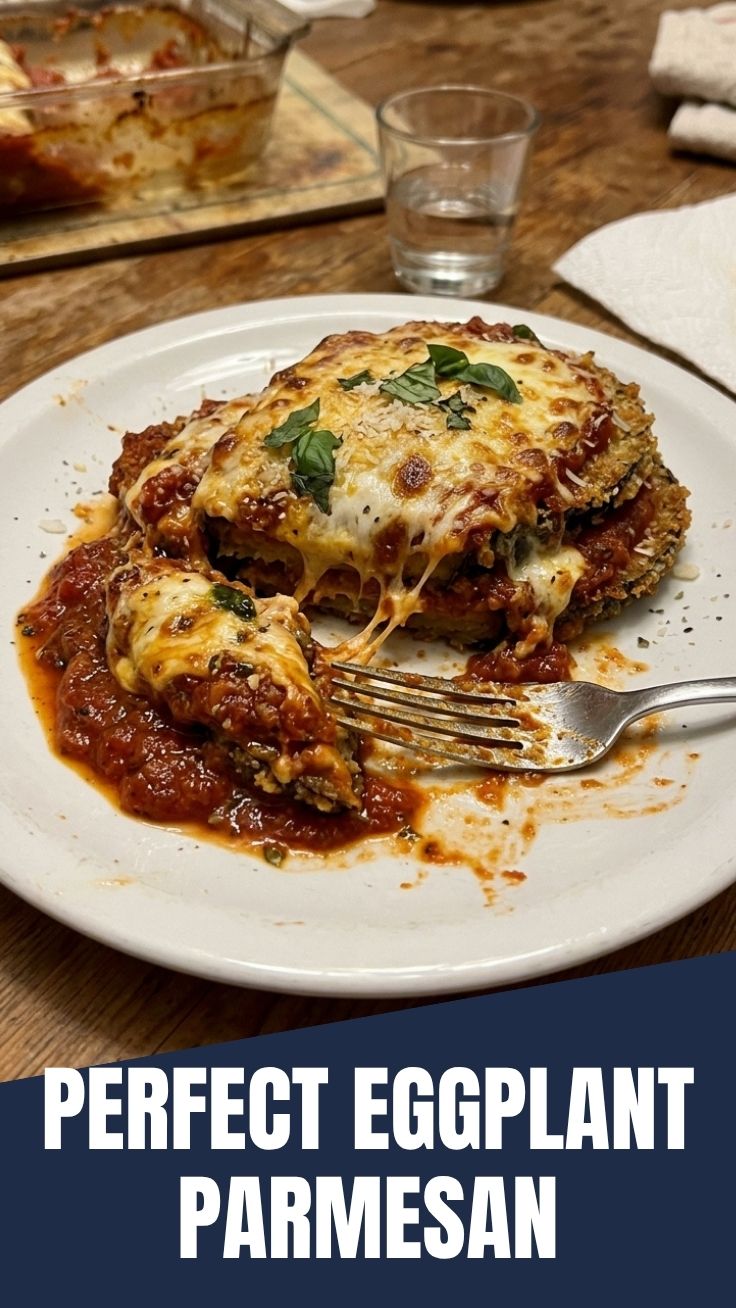
- Prep Time: 45 minutes (includes salting eggplant time)
- Cook Time: 35-45 minutes
- Resting Time (after baking): 10-15 minutes
Plan to start by salting the eggplant slices at least 30 minutes before you begin the full cooking process. This crucial step draws out excess moisture, preventing a soggy final dish and enhancing its texture. While the eggplant rests, you can prepare your sauce and breading station. The entire process, from start to finish, can be completed in under two hours, making it a perfect weekend project or a special weeknight meal.
Step-by-Step Instructions
1. Prepare the Eggplant: Wash and slice eggplants into 1/4-inch thick rounds. Lay them on paper towels, sprinkle generously with salt, and let them sit for 30 minutes. This draws out bitter moisture. Pat them thoroughly dry.
2. Set Up Breading Station: Prepare three shallow bowls: one with flour, one with beaten eggs, and one with seasoned breadcrumbs.
3. Bread the Eggplant: Dredge each eggplant slice first in flour (shaking off excess), then dip in egg, and finally coat evenly with breadcrumbs.
4. Pan-Fry Eggplant: Heat about 1/2 inch of olive oil in a large skillet over medium-high heat. Fry eggplant slices in batches until golden brown and tender, about 2-3 minutes per side. Transfer to a wire rack to drain excess oil. This crispy exterior is key to a remarkable Eggplant Parmesan, much like the perfectly al dente pasta in a good lasagna.
5. Make the Marinara Sauce: In a separate pot, sauté diced onion in olive oil until softened. Add minced garlic and cook for another minute until fragrant. Pour in crushed tomatoes, fresh basil, and season with salt, pepper, and optional red pepper flakes. Simmer gently for 15-20 minutes to allow flavors to meld.
6. Assemble the Dish: Preheat your oven to 375°F (190°C). Spread a thin layer of marinara sauce on the bottom of your baking dish. Arrange a single layer of fried eggplant slices over the sauce. Top with shredded mozzarella and a sprinkle of Parmesan.
7. Layer and Repeat: Continue layering sauce, eggplant, mozzarella, and Parmesan until all ingredients are used, ending with a generous top layer of cheese.
8. Bake: Cover the baking dish with foil and bake for 20-25 minutes. Remove foil and bake for another 15-20 minutes, or until the cheese is bubbly and golden brown.
9. Rest and Serve: Let the Eggplant Parmesan rest for 10-15 minutes before slicing and serving. This allows the layers to set and prevents it from falling apart.
Nutritional Benefits & Advantages
Eggplant is a fantastic source of dietary fiber, which aids digestion and promotes satiety. It’s also rich in vitamins B1 and B6, potassium, and manganese. The lycopene in tomatoes offers powerful antioxidant benefits, while the protein from mozzarella and Parmesan provides sustained energy. This dish, when prepared with sensible oil usage, can be a nutrient-dense and satisfying vegetarian meal.
Tips, Variations & Cooking Advice
- Roast Instead of Fry: For a lighter version, roast eggplant slices in the oven at 400°F (200°C) with a drizzle of olive oil until tender and slightly browned, skipping the breading.
- Add Vegetables: Incorporate sautéed spinach, mushrooms, or bell peppers into the sauce for extra flavor and nutrients.
- Spice It Up: A pinch of dried oregano or Italian seasoning in the breadcrumbs adds another layer of flavor.
- Gluten-Free: Use gluten-free flour and breadcrumbs for a coeliac-friendly option.
- Dairy-Free: Substitute dairy cheese with plant-based mozzarella and Parmesan alternatives.
Common Mistakes to Avoid
- Not Salting Eggplant: Skipping this step leads to watery, bland results. Always salt and drain your eggplant!
- Overcrowding the Pan: This lowers the oil temperature, resulting in greasy, un-crispy eggplant. Fry in batches.
- Not Resting After Baking: Cutting into the dish immediately will cause it to collapse and turn messy. Patience is key!
- Too Much Sauce: While delicious, excessive sauce can make the dish soupy. Use just enough to coat each layer.
Storage & Meal Prep Tips
Leftover Eggplant Parmesan can be stored in an airtight container in the refrigerator for up to 3-4 days. It actually tastes even better the next day as the flavors meld further! For longer storage, you can freeze individual portions for up to 2-3 months. Thaw overnight in the refrigerator and reheat in the oven at 350°F (175°C) until warmed through, often covered with foil to prevent drying out. You can also assemble the dish entirely, cover it, and refrigerate it before baking for up to 24 hours, making it perfect for entertaining.
Conclusion
Crafting a homemade Eggplant Parmesan is a rewarding culinary journey that brings the warmth and flavors of Italian comfort food straight to your table. From the perfectly fried eggplant to the rich marinara and melted cheese, every bite is a celebration. Remember, patience with the eggplant preparation is key to a truly outstanding dish that stands proudly alongside any lasagna. We encourage you to try this recipe and share your delicious creations!
FAQs
Q1: Do I have to salt the eggplant?
A1: Yes, salting is highly recommended. It draws out bitterness and excess moisture, ensuring your eggplant isn’t soggy and tastes better.
Q2: Can I use pre-made marinara sauce?
A2: Absolutely! While homemade is best, a good quality jarred marinara can save time without sacrificing too much flavor.
Q3: How can I make this dish spicier?
A3: Add more red pepper flakes to your marinara sauce or sprinkle some over the assembled layers before baking.
Q4: My eggplant is getting soggy after frying. What am I doing wrong?
A4: Ensure your oil is hot enough before frying (medium-high heat) and don’t overcrowd the pan. Drain the fried slices on a wire rack, not paper towels, to allow air circulation and prevent steaming.
Q5: Can I substitute other cheeses?
A5: While mozzarella and Parmesan are classic, you can experiment with provolone, fontina, or even a dash of ricotta in layers for a different texture.