Unleash Your Inner Baker: Crafting the Perfect Homemade Cinnamon Rolls
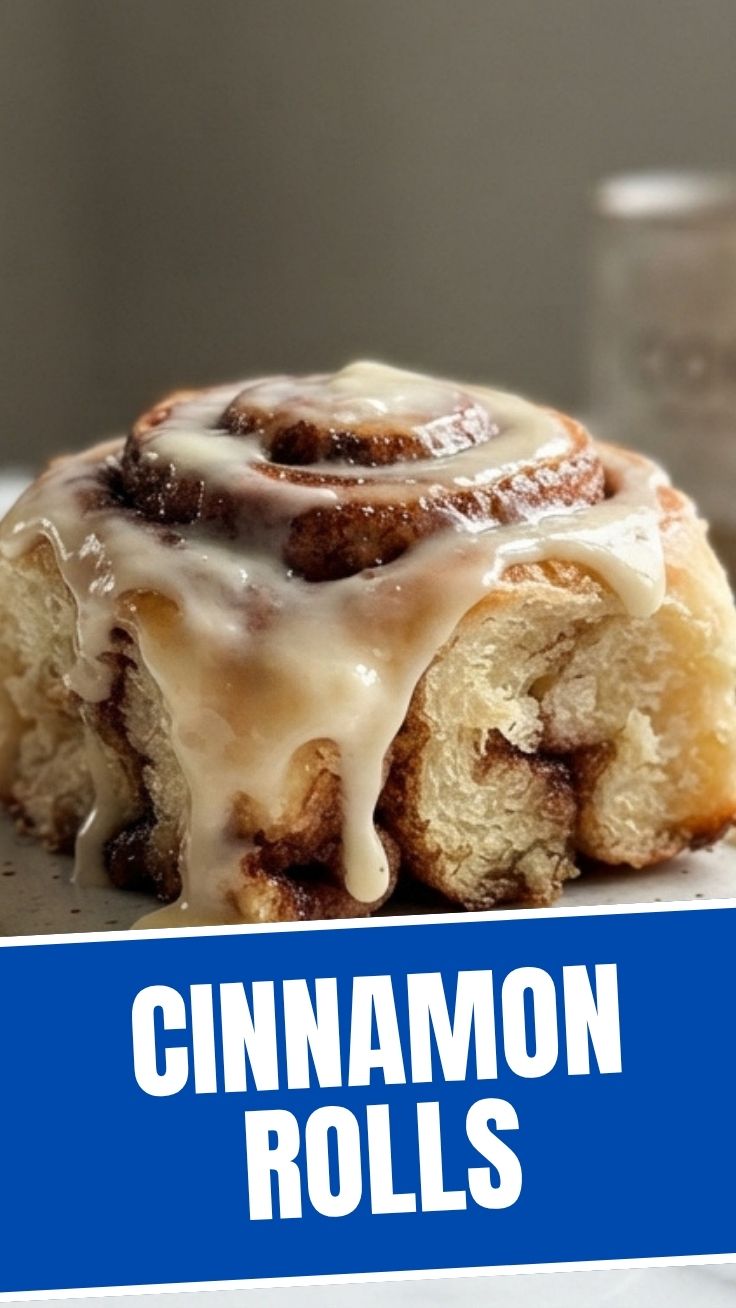
Ever dreamt of waking up to the irresistible aroma of freshly baked Cinnamon Rolls filling your home? Forget store-bought imitations; preparing this classic confection at home is a truly rewarding experience, transforming simple ingredients into a masterpiece of warmth and comfort. Beyond the delightful taste, mastering a homemade Cinnamon Roll Recipe empowers you to control the quality of your ingredients, customize flavors, and create unforgettable memories in your kitchen. This comprehensive guide will walk you through every step, ensuring your first batch – and every batch thereafter – is nothing short of perfection.
Ingredients & Kitchen Tools
To embark on your delectable journey, gather these essential items:
For the Dough:
- 1 cup warm milk (105-115°F/40-46°C): Activates the yeast; not too hot to kill it, not too cold to slow it down.
- 2 ¼ teaspoons active dry yeast: The magic behind the rise, giving the rolls their signature fluffiness.
- ¼ cup granulated sugar: Feeds the yeast and adds subtle sweetness to the dough.
- 1 large egg (room temperature): Adds richness and helps bind the dough.
- ¼ cup unsalted butter, melted: Enhances flavor and tenderizes the dough.
- ½ teaspoon salt: Balances the sweetness and strengthens the gluten structure.
- 3-3 ½ cups all-purpose flour: The foundational ingredient; start with 3 cups and add more as needed.
For the Filling:
- ½ cup unsalted butter, softened: Spreads easily and creates a luscious, buttery layer.
- ¾ cup packed light brown sugar: Provides a deep, caramelly sweetness.
- 2 tablespoons ground cinnamon: The star of the show; don’t skimp on quality!
For the Cream Cheese Frosting:
- 4 oz cream cheese, softened: The tangy, creamy base for our irresistible frosting.
- ¼ cup unsalted butter, softened: Adds richness and smooth texture.
- 1 ½ cups powdered sugar: For sweetness and consistency.
- ½ teaspoon vanilla extract: Enhances the overall flavor profile.
- 1-2 tablespoons milk or cream: To achieve desired frosting consistency.
Kitchen Tools:
- Large mixing bowl: For dough preparation.
- Stand mixer with dough hook (optional but recommended): Makes kneading effortless.
- Measuring cups and spoons: For precise ingredient measurement.
- Rolling pin: To achieve an even dough thickness.
- 9×13 inch baking pan: The perfect size for a dozen rolls.
- Sharp knife or unflavored dental floss: For clean slicing of the rolled dough.
- Whisk or electric hand mixer: For frosting preparation.
Prep Time & Cooking Schedule
- Active Prep Time: 30 minutes
- First Rise (Proofing): 1-1.5 hours
- Rolling & Shaping: 15 minutes
- Second Rise (Proofing): 30-45 minutes
- Bake Time: 20-25 minutes
- Cooling & Frosting: 10 minutes
Total Time: Approximately 3-4 hours
This schedule accounts for two crucial rising periods, allowing the yeast to develop and the dough to become light and airy. Plan your baking accordingly, perhaps starting in the morning for a delicious afternoon treat or preparing the dough the night before for an early breakfast delight.
Step-by-Step Instructions
Follow these detailed steps to create your magnificent Cinnamon Rolls:
1. Activate the Yeast: In a large mixing bowl, combine warm milk, granulated sugar, and yeast. Stir gently and let sit for 5-10 minutes until foamy. This confirms your yeast is active and ready to work wonders in your Cinnamon Roll Recipe.
2. Combine Wet Ingredients: Add the egg, melted butter, and salt to the yeast mixture. Whisk until well combined.
3. Form the Dough: Gradually add the flour, one cup at a time, mixing until a shaggy dough forms. If using a stand mixer, attach the dough hook and knead on low speed for 5-7 minutes until the dough is smooth and elastic. By hand, knead on a lightly floured surface for 8-10 minutes. The dough should be soft and slightly sticky, but not tacky.
4. First Rise: Lightly grease the mixing bowl, place the dough in it, turning once to coat. Cover with plastic wrap or a clean kitchen towel and let rise in a warm place for 1-1.5 hours, or until doubled in size.
5. Prepare the Filling: While the dough rises, combine softened butter, brown sugar, and ground cinnamon in a small bowl. Mix until well combined and spreadable.
6. Roll and Spread: Once the dough has doubled, punch it down gently to release air. Turn it out onto a lightly floured surface and roll into a large rectangle, approximately 12×18 inches and ¼ inch thick. Evenly spread the cinnamon filling over the entire surface of the dough, leaving a small border on one long edge.
7. Roll and Slice: Tightly roll the dough from one long edge to the other. Pinch the seam closed to seal. Using a sharp knife or unflavored dental floss, cut the log into 12 even slices, approximately 1.5 inches thick.
8. Second Rise: Arrange the slices in your greased 9×13 inch baking pan. Cover again and let rise in a warm place for 30-45 minutes, or until puffy and almost doubled.
9. Bake: Preheat your oven to 375°F (190°C). Bake for 20-25 minutes, or until golden brown and cooked through. If the tops brown too quickly, you can loosely tent with aluminum foil.
10. Prepare Frosting: While the rolls bake, beat softened cream cheese and butter together until smooth. Gradually add powdered sugar, vanilla extract, and milk/cream until light, fluffy, and spreadable.
11. Frost and Serve: Once the rolls are out of the oven, let them cool for 5-10 minutes before generously spreading with the cream cheese frosting. Serve warm and enjoy!
Nutritional Benefits & Advantages
Beyond their undeniable deliciousness, homemade Cinnamon Rolls offer subtle advantages. The whole milk provides calcium and vitamin D, while eggs contribute protein and essential vitamins. Cinnamon itself is known for its antioxidant and anti-inflammatory properties. By making them at home, you control sugar levels and avoid artificial preservatives often found in store-bought options, ensuring a fresher and potentially more wholesome treat.
Tips Variations & Cooking Advice
- Overnight Rolls: For convenience, prepare the rolled and sliced dough (step 8), cover tightly, and refrigerate overnight. In the morning, let them come to room temperature for 30-60 minutes before the second rise and baking.
- Flavor Boosts: Add a pinch of nutmeg or cardamom to the filling for extra warmth. A dash of orange zest in the dough or frosting also adds a bright, complementary note.
- Gluten-Free Version: Substitute an equal amount of good quality gluten-free all-purpose flour blend (like King Arthur GF Measure for Measure) for the regular flour. You may need to adjust liquid slightly as GF flours absorb differently.
- Vegan Option: Use plant-based milk, vegan butter, and egg replacers (like flax egg) for a delicious dairy-free and egg-free version.
- Sticky Buns: Instead of plain frosting, create a caramel base by pouring a mixture of melted butter, brown sugar, and a touch of corn syrup into the bottom of the pan before adding the rolls.
- Perfectly Sliced Rolls: If you struggle with slicing, use unflavored dental floss. Slide it under the log, cross the ends over the top, and pull to create a clean, even cut.
Common Mistakes to Avoid
- Killing the Yeast: Ensure your milk is at the correct temperature (105-115°F). Too hot, and your yeast dies; too cold, and it won’t activate.
- Over-flouring the Dough: A dry dough will result in tough, dense rolls. The dough should be soft and slightly sticky, not dry and stiff.
- Under-kneading: Proper kneading develops gluten, which gives the rolls their structure and chewiness. Don’t rush this step.
- Not Letting Dough Rise Enough: Patience is key! Inadequate rise time leads to smaller, tougher rolls.
- Over-baking: Dry, hard rolls are a common result of baking for too long. Keep an eye on them and remove as soon as they’re golden brown.
Storage & Meal Prep Tips
Leftover Cinnamon Rolls are a rare occurrence, but if you have them, store them in an airtight container at room temperature for up to 2 days, or in the refrigerator for up to 5 days. To reheat, microwave for 15-30 seconds, or warm in a preheated oven at 300°F (150°C) for 5-7 minutes until soft and warm again. You can also freeze unbaked rolls after the second rise, then thaw overnight in the fridge and bake as usual, or freeze baked rolls for up to 2-3 months. Thaw and reheat as desired.
Conclusion
There’s truly nothing quite like the comforting embrace of a warm, homemade Cinnamon Roll. By following this detailed guide, you’ve not only mastered a classic but also gained confidence in your baking abilities. This Cinnamon Roll Recipe is more than just a list of steps; it’s a doorway to creating delightful culinary memories and a perfect treat for any occasion. Don’t hesitate – gather your ingredients and start baking today! Share your creations with us using #MyPerfectCinnamonRolls.
FAQs
Q1: My dough didn’t rise. What went wrong?
A: The most common culprit is inactive yeast. Ensure your milk is at the correct temperature (105-115°F) and that your yeast isn’t expired. Also, make sure your rising environment is warm enough.
Q2: Can I reduce the sugar in the recipe?
A: Yes, you can slightly reduce the sugar in both the dough and the filling, but be mindful that sugar also contributes to the texture and browning. For the frosting, you can also adjust the powdered sugar to your preference.
Q3: How do I know when the rolls are fully baked?
A: They should be golden brown on top and firm to the touch. An internal temperature of 200°F (93°C) is a good indicator, but the visual cues are often sufficient.
Q4: My frosting is too thick/thin. How can I fix it?
A: If it’s too thick, add milk or cream one teaspoon at a time until you reach the desired consistency. If it’s too thin, add more powdered sugar a tablespoon at a time.