Unlock the Secret to the Perfect Carrot Cake: A Journey from Scratch to Savor!
Ever wondered if you could bake a Carrot Cake that rivals your favorite bakery’s, yet feels uniquely yours? The answer is a resounding yes! There’s an unparalleled joy in creating something delicious from scratch, especially when it comes to the moist, spiced perfection of a homemade carrot cake. This comprehensive guide will not only lead you through every delightful step but also empower you with the insights of a professional baker. Forget dry, over-spiced, or lackluster versions; we’re diving deep into crafting an extraordinary Carrot Cake Recipe that will become your go-to for celebrations and everyday indulgences alike. Preparing this classic at home offers the invaluable benefits of controlling ingredients, customizing flavors, and enjoying that fresh-baked aroma that fills your kitchen with warmth.
Ingredients & Kitchen Tools
Crafting the perfect carrot cake requires a thoughtful selection of ingredients and the right tools at your disposal.
- All-Purpose Flour (2 cups): The structural backbone of our cake. Sifted to ensure a light, airy crumb.
- Granulated Sugar (1 ¾ cups): Provides sweetness and moisture.
- Light Brown Sugar (½ cup, packed): Adds depth of flavor and extra moisture.
- Baking Soda (2 teaspoons): A leavening agent that helps the cake rise.
- Salt (1 teaspoon): Balances flavors and enhances sweetness.
- Ground Cinnamon (2 teaspoons): The signature warm spice for carrot cake.
- Ground Nutmeg (½ teaspoon): Complements the cinnamon with its earthy, sweet notes.
- Large Eggs (4, room temperature): Binds the ingredients and adds richness. Room temperature eggs emulsify better.
- Vegetable Oil (1 ½ cups): Contributes to the cake’s exceptional moisture and tenderness.
- Vanilla Extract (2 teaspoons): Enhances all the other flavors.
- Carrots (3 cups, grated): The star ingredient! Freshly grated for best flavor and texture.
- Chopped Pecans or Walnuts (1 cup, optional): Adds a delightful crunch and nutty flavor.
- Cream Cheese Frosting:
* Cream Cheese (8 oz, softened): The essential base for tangy, rich frosting.
* Unsalted Butter (½ cup, softened): Adds richness and smoothness.
* Powdered Sugar (4 cups, sifted): For sweetness and structure in the frosting. Sifting prevents lumps.
* Vanilla Extract (1 teaspoon): For flavor.
Kitchen Tools:
- Two 9-inch round cake pans: For even baking.
- Large mixing bowls (2): One for dry, one for wet ingredients.
- Whisk: For combining dry ingredients and light mixing.
- Electric mixer (stand or hand-held): Essential for creaming and frosting.
- Rubber spatula: For scraping bowls and folding.
- Fine-mesh sieve (optional): For sifting flour and powdered sugar.
- Box grater or food processor: For grating carrots.
- Parchment paper: For lining cake pans to prevent sticking.
Prep Time & Cooking Schedule
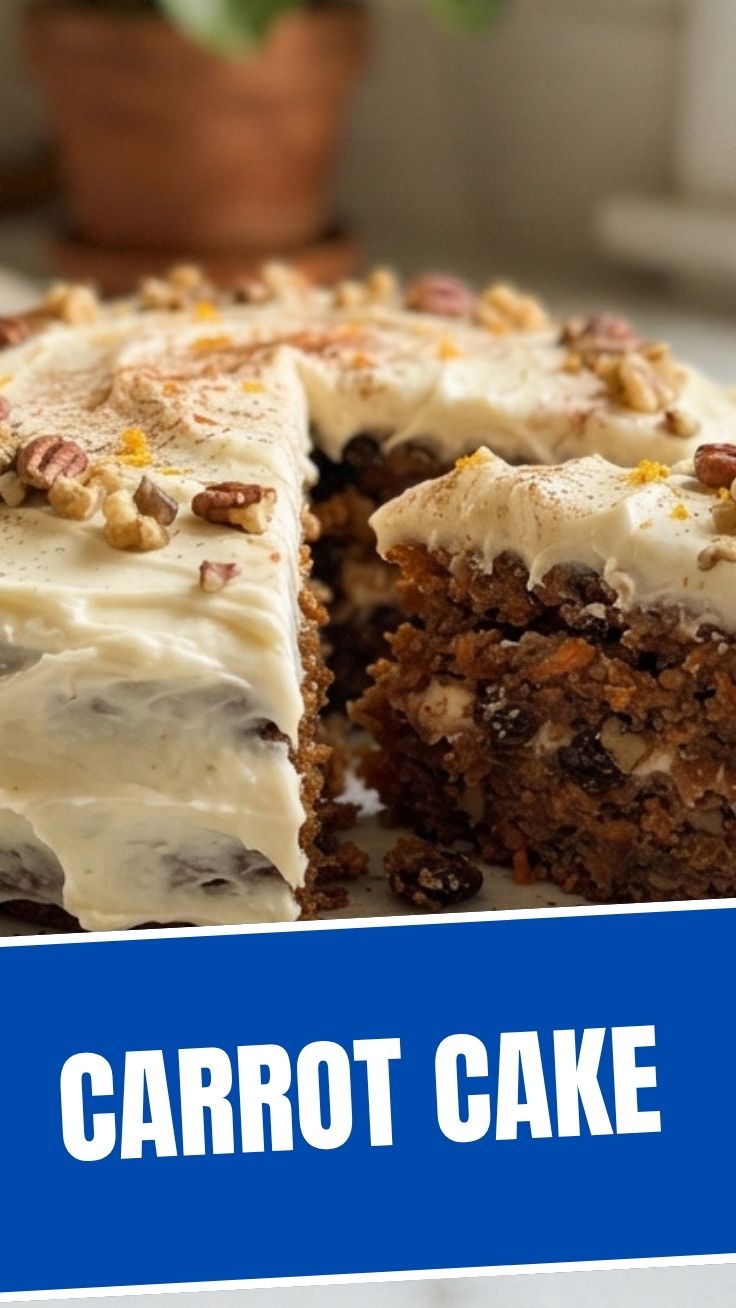
- Prep Time: 30 minutes
* This includes grating carrots, measuring ingredients, and preparing your cake pans. Grating fresh carrots takes the most time but is crucial for texture.
- Cook Time: 30-35 minutes per cake layer
* Baking time may vary depending on your oven; always use the skewer test for doneness.
- Cooling Time (in pans): 15 minutes
* Allows the cake to set slightly before removal.
- Cooling Time (on wire rack): 1-2 hours or until completely cool
* Crucial before frosting to prevent melting.
- Resting Time (after frosting, optional): 30 minutes in the refrigerator
* Helps the frosting set, making the cake easier to slice.
Plan to dedicate a focused morning or afternoon to this project. The active prep and baking are manageable, but allowing ample cooling time is key to a successful, beautifully frosted cake.
Step-by-Step Instructions
Embark on this culinary adventure to create an unforgettable Carrot Cake:
1. Preparation is Key: Preheat your oven to 350°F (175°C). Grease and flour two 9-inch round cake pans, then line the bottoms with parchment paper. This ensures your cakes won’t stick.
2. Combine Dry Ingredients: In a large bowl, whisk together the sifted all-purpose flour, granulated sugar, light brown sugar, baking soda, salt, ground cinnamon, and ground nutmeg. Whisk thoroughly to ensure all leavening and spices are evenly distributed.
3. Mix Wet Ingredients: In a separate large bowl, using an electric mixer or by hand, beat the eggs until light and fluffy. Gradually whisk in the vegetable oil and vanilla extract until well combined.
4. Marry Wet and Dry: Pour the wet ingredients into the dry ingredients. Mix on low speed with an electric mixer or gently with a spatula until just combined. Be careful not to overmix, as this can lead to a tough cake.
5. Fold in the Flavor: Gently fold in the grated carrots and, if using, the chopped pecans or walnuts with a rubber spatula. Ensure the carrots are evenly distributed throughout the batter. This step is where the essence of our magnificent Carrot Cake Recipe truly takes shape.
6. Bake to Perfection: Divide the batter evenly between the two prepared cake pans. Bake for 30-35 minutes, or until a wooden skewer inserted into the center comes out clean.
7. Cooling Down: Let the cake layers cool in their pans on a wire rack for 15 minutes before inverting them onto the wire racks to cool completely. This prevents breakage and ensures proper setting.
8. Prepare the Frosting: While the cakes cool, make your cream cheese frosting. In a large bowl, beat the softened cream cheese and unsalted butter with an electric mixer until smooth and creamy. Gradually add the sifted powdered sugar, one cup at a time, beating until smooth after each addition. Stir in the vanilla extract.
9. Assemble and Frost: Once the cake layers are completely cool (this is critical!), place one layer on your serving plate or cake stand. Spread about half of the frosting evenly over the top. Carefully place the second cake layer on top and spread the remaining frosting over the top and sides of the cake.
10. Chill and Serve: For best results, chill the frosted cake in the refrigerator for at least 30 minutes to allow the frosting to set.
Nutritional Benefits & Advantages
Beyond its irresistible taste, this carrot cake offers some surprising nutritional advantages. Carrots are packed with beta-carotene, an antioxidant that the body converts to Vitamin A, essential for vision, immune function, and skin health. The inclusion of spices like cinnamon and nutmeg also brings anti-inflammatory properties. Using oil instead of butter in the cake batter often results in a moister cake with unsaturated fats being a primary component. While it’s a treat, incorporating whole food ingredients like fresh carrots and nuts adds fiber and beneficial micronutrients not found in processed desserts.
Tips, Variations & Cooking Advice
- Spice it Up: For a more complex flavor, add a pinch of ground ginger or allspice to the dry ingredients.
- Pineapple Perk: For an even moister cake with a tangy twist, add ½ cup of well-drained crushed pineapple to the batter along with the carrots.
- Raisin Inclusion: If you’re a fan, fold in ½ cup of golden or dark raisins with the carrots and nuts. Soak them in warm water for 10 minutes beforehand to plump them up.
- Dietary Adaptations:
* Gluten-Free: Substitute the all-purpose flour with a 1:1 gluten-free baking blend that contains xanthan gum.
* Dairy-Free Frosting: Use dairy-free cream cheese and dairy-free butter alternatives for the frosting.
- Temperature Control: Ensure all cold ingredients (eggs, cream cheese, butter) are at room temperature for optimal mixing and emulsion. This is particularly important for the frosting’s smooth consistency.
- Don’t Overbake: An overbaked carrot cake will be dry. Start checking for doneness at the lower end of the baking time.
Common Mistakes to Avoid
- Overmixing the Batter: This develops the gluten in the flour too much, leading to a tough and chewy cake. Mix until just combined.
- Using Pre-Grated Carrots: Pre-packaged grated carrots are often drier and thicker, affecting the cake’s moisture and texture. Always grate your own for the best results.
- Frosting Warm Cakes: This is a cardinal sin! The frosting will melt and slide off, creating a messy situation. Patience is key; wait until the cakes are completely cool.
- Under-Greasing Pans: Leads to cakes sticking and breaking when trying to remove them. Be generous with your greasing and flouring, and don’t skip the parchment paper.
- Skipping Sifting: For powdered sugar especially, sifting is vital to prevent lumps in your frosting.
Storage & Meal Prep Tips
Your freshly baked Carrot Cake tastes best when enjoyed fresh, but it stores beautifully.
- Refrigeration: Due to the cream cheese frosting, the cake must be refrigerated. Store it in an airtight container for up to 5 days.
- Freezing (Frosted): For longer storage, freeze individual slices or the entire cake (unfrosted is best, but frosted can work carefully). Place the cake in the freezer uncovered for 1-2 hours until the frosting is firm. Then, wrap tightly in plastic wrap followed by aluminum foil. It can be frozen for up to 1 month. Thaw in the refrigerator overnight before serving.
- Reheating: Let refrigerated slices come to room temperature for about 15-30 minutes for the best flavor and texture. Freezing can alter the texture slightly, but it will still be delicious.
Conclusion
There you have it—a definitive guide to baking a truly exceptional Carrot Cake that will delight your senses and impress your guests. From the careful blending of spices to the luscious cream cheese frosting, every step contributes to a masterpiece of flavor and texture. We hope this detailed Carrot Cake Recipe empowers you to embrace the joy of homemade baking. Don’t hesitate—gather your ingredients, preheat that oven, and embark on this delicious journey. Share your incredible results with us in the comments below! We can’t wait to hear how your homemade carrot cake turns out.
FAQs
Q1: Can I make this cake into cupcakes?
A1: Absolutely! Line a muffin tin with paper liners and fill each about two-thirds full. Bake for 18-22 minutes, or until a skewer comes out clean. Adjust frosting accordingly.
Q2: My frosting is too runny/too stiff. What went wrong?
A2: If too runny, add more sifted powdered sugar, one tablespoon at a time, beating until desired consistency. If too stiff, add a tiny splash of milk or heavy cream (½ teaspoon at a time) and beat until smooth. Temperature is often the culprit: ensure butter and cream cheese are softened but not melted.
Q3: Can I substitute applesauce for some of the oil?
A3: Yes, you can substitute up to half of the oil with unsweetened applesauce for a slightly lighter cake. Be aware it might slightly alter the texture and add a subtle apple flavor.
Q4: How important is it to use freshly grated carrots?
A4: Very important! Freshly grated carrots contain more moisture and provide a better texture to the cake. Pre-packaged shredded carrots tend to be drier and coarser, affecting the overall quality.
Q5: Can I prepare the cake layers in advance?
A5: Yes, you can bake the cake layers up to 2 days in advance. Once completely cooled, wrap them tightly in plastic wrap and store at room temperature. For longer storage, freeze them, wrapped as described above, for up to a month. Thaw before frosting.