Fuel Your Day the Delicious Way: Mastering the Avocado Egg Toast (High Protein)
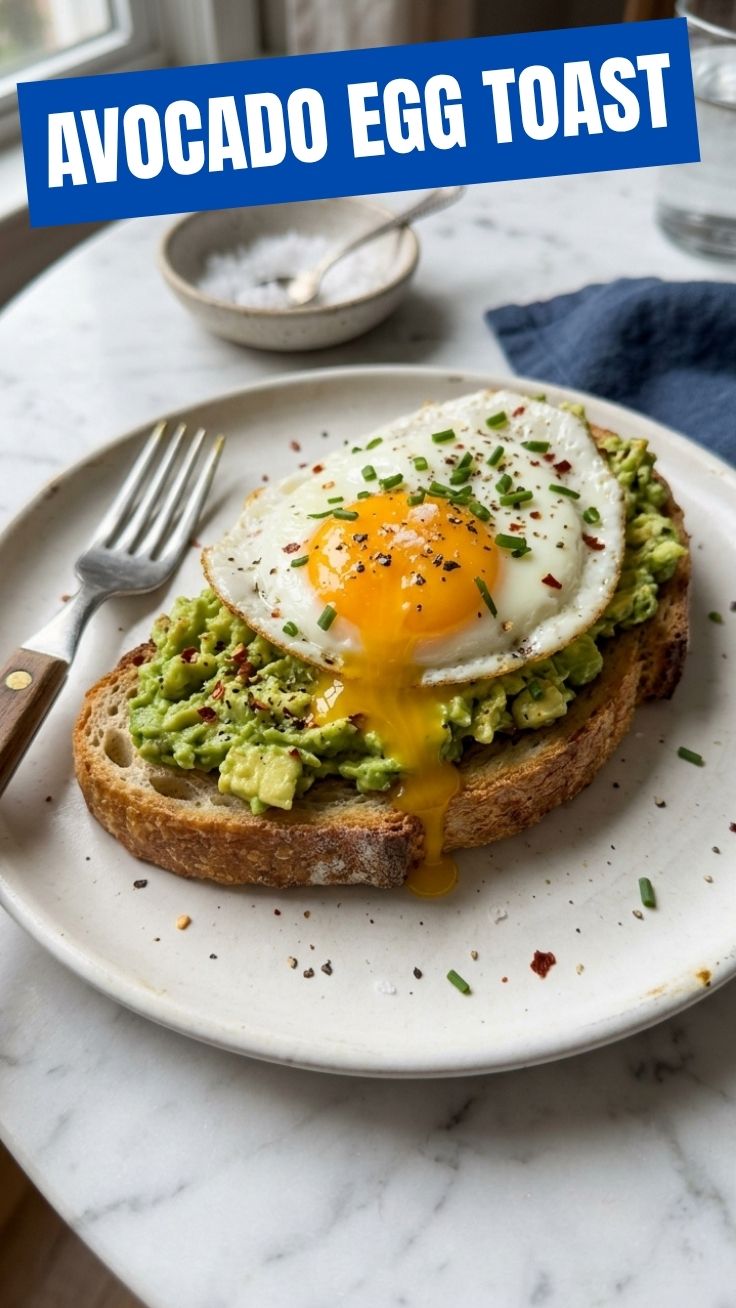
Are you tired of breakfast options that leave you feeling hungry an hour later? Do you crave a meal that’s both nourishing and incredibly satisfying? Then get ready to transform your morning routine with our ultimate guide to crafting the perfect Avocado Egg Toast (High Protein). This isn’t just another breakfast trend; it’s a culinary masterpiece that delivers a powerful punch of protein and healthy fats, setting you up for a productive day. We’ll delve into everything you need to know, from selecting the freshest ingredients to mastering the perfect poach, ensuring your homemade version surpasses any cafe creation. Forget the ordinary; it’s time to elevate your breakfast game with this incredible Avocado Toast Recipe.
Ingredients & Kitchen Tools
Crafting the perfect Avocado Egg Toast (High Protein) requires a few key ingredients and essential kitchen tools.
Ingredients:
- 2 slices whole-grain bread: Opt for sturdy, artisanal bread that can hold up to the toppings without getting soggy.
- 1 ripe avocado: Look for an avocado that yields slightly to gentle pressure; this ensures creamy texture.
- 2 large eggs: Fresh, high-quality eggs are best for poaching.
- 1 tablespoon white vinegar (for poaching): Helps the egg whites coagulate and maintain their shape.
- Salt and freshly ground black pepper: To taste, enhancing all the flavors.
- Optional toppings: Red pepper flakes (for a little kick), everything bagel seasoning (for added texture and flavor), chopped fresh chives or cilantro (for freshness), a squeeze of lime or lemon juice (to brighten the avocado).
Kitchen Tools:
- Toaster or a skillet/pan: For perfectly crisping your bread.
- Small saucepan: Essential for poaching eggs.
- Slotted spoon: To carefully remove poached eggs from the water.
- Fork or potato masher: For mashing the avocado.
- Sharp knife: For slicing and dicing.
- Cutting board: For safe and efficient food preparation.
Prep Time & Cooking Schedule
This recipe is designed for efficiency, making it perfect for busy mornings.
- Prep Time: 5 minutes
- Cook Time: 8-10 minutes (includes toasting bread and poaching eggs)
- Total Time: 13-15 minutes
Context: The beauty of this dish lies in its quick preparation. While your bread is toasting, you can start mashing the avocado. The eggs can be poached simultaneously, ensuring everything comes together warm and fresh.
Step-by-Step Instructions
Follow these simple steps to create your ideal Avocado Egg Toast (High Protein):
1. Prepare the Toast: Toast your whole-grain bread to your desired level of crispiness. We recommend a medium toast for good structural integrity.
2. Mash the Avocado: While the bread is toasting, halve the avocado, remove the pit, and scoop the flesh into a small bowl. Using a fork, mash the avocado to your preferred consistency – some prefer it chunky, others smooth. Season with salt, pepper, and a squeeze of lime or lemon juice if using.
3. Poach the Eggs: Fill a small saucepan with about 3-4 inches of water and bring it to a gentle simmer (not a rolling boil). Add the white vinegar. Crack each egg separately into a small ramekin or bowl. Gently slide one egg at a time into the simmering water. Cook for 3-4 minutes for a runny yolk, or longer for a firmer yolk. Use a slotted spoon to carefully remove the eggs and drain off excess water.
* Practical Tip: Don’t overcrowd the pan when poaching eggs. Cook them one or two at a time to maintain water temperature and prevent them from sticking.
4. Assemble Your Toast: Once the toast is ready, spread an even layer of the mashed avocado on each slice.
5. Top with Eggs: Carefully place a poached egg on top of each avocado-topped slice.
6. Season and Serve: Season the eggs with an additional sprinkle of salt, pepper, and any optional toppings like red pepper flakes or everything bagel seasoning. Serve immediately and savor your homemade Avocado Toast Recipe!
Nutritional Benefits & Advantages
The Avocado Egg Toast (High Protein) is a nutritional powerhouse. Eggs are an excellent source of high-quality protein, essential amino acids, and choline, which supports brain health. Avocados are packed with healthy monounsaturated fats (great for heart health), fiber, and numerous vitamins and minerals like potassium and Vitamin K. Whole-grain bread provides complex carbohydrates for sustained energy and additional fiber. This combination keeps you feeling full and energized for hours, preventing those mid-morning slumps and unhealthy snacking.
Tips, Variations & Cooking Advice
- Flavor Variations: Experiment with different seasonings! Try a sprinkle of sumac for a tangy taste, a dash of hot sauce for heat, or even a drizzle of balsamic glaze for a gourmet touch.
- Ingredient Swaps: If you’re not a fan of poached eggs, feel free to use fried or scrambled eggs. For a gluten-free option, use your favorite gluten-free bread.
- Alternative Cooking Methods: Instead of poaching, you can achieve similar results with an air fryer for your toast (crispier!) or by steaming your eggs.
- Dietary Adaptations: For a dairy-free option, this recipe is already naturally dairy-free!
- Meal Prep: While best enjoyed fresh, you can pre-mash your avocado (add a squeeze of lime/lemon to prevent browning) and toast your bread the night before if you’re in a real rush. Poach the eggs right before serving.
Common Mistakes to Avoid
- Overcooking the Eggs: A common mistake with poaching. Keep the water at a gentle simmer, not a vigorous boil, and stick to the 3-4 minute mark for a perfectly runny yolk.
- Soggy Toast: Ensure your bread is adequately toasted. If it’s too soft, the avocado and egg will make it soggy.
- Under-seasoning: Don’t shy away from salt and pepper. They bring out the rich flavors of the avocado and egg.
- Using Unripe Avocado: An unripe avocado will be hard and flavorless. A ripe one is key for the creamy texture.
Storage & Meal Prep Tips
The Avocado Egg Toast (High Protein) is truly best enjoyed fresh. The texture of the toast and the warm, runny yolk of the poached egg are paramount to its appeal.
- Leftovers: If you have leftover mashed avocado, store it in an airtight container with a piece of plastic wrap pressed directly onto its surface to prevent browning. It will last for up to 1-2 days in the refrigerator. Poached eggs can be refrigerated for a day, but their texture will change when reheated.
- Reheating: We don’t recommend reheating assembled avocado toast as the toast will become soggy. For individual components: reheat pre-toasted bread in a toaster or oven. Reheat poached eggs gently in a bowl of hot water for a minute or two, or briefly in a microwave.
Conclusion
Mastering the Avocado Egg Toast (High Protein) is an investment in delicious and nutritious mornings. This recipe is a testament to how simple, quality ingredients can come together to create something truly extraordinary. By following these steps and incorporating our tips, you’ll be well on your way to crafting a breakfast that not only satisfies your hunger but also fuels your body and mind for the day ahead. Don’t hesitate – give this incredible Avocado Toast Recipe a try, and share your culinary creations with us! We’d love to hear how you make this high-protein delight your own.
FAQs
Q1: Can I make this recipe vegan?
A1: You can adapt the toast and avocado components to be vegan by using a plant-based egg substitute or by simply omitting the egg and focusing on other plant-based protein toppings like nutritional yeast, toasted seeds, or black beans.
Q2: How do I choose a perfectly ripe avocado?
A2: A ripe avocado will have a slightly darker skin tone and yield gently to pressure when squeezed in your palm. Avoid avocados that are too soft or have large indentations.
Q3: My poached eggs keep falling apart. What am I doing wrong?
A3: Ensure your water is at a gentle simmer, not a rolling boil. Adding a tablespoon of white vinegar helps keep the egg whites together, and cracking the egg into a small ramekin before gently sliding it into the water also helps maintain its shape.
Q4: Can I use different types of bread?
A4: Absolutely! While whole-grain is recommended for its nutritional benefits and sturdiness, you can use sourdough, multi-grain, or even a good quality gluten-free bread depending on your preference.
Q5: What are some good additions for extra flavor and nutrients?
A5: Consider adding thinly sliced radishes, cherry tomatoes, crumbled feta cheese (if not dairy-free), or a sprinkle of hemp seeds for additional health benefits and texture.