Mastering the Art of Perfect Garlic Shrimp Linguine with Spinach
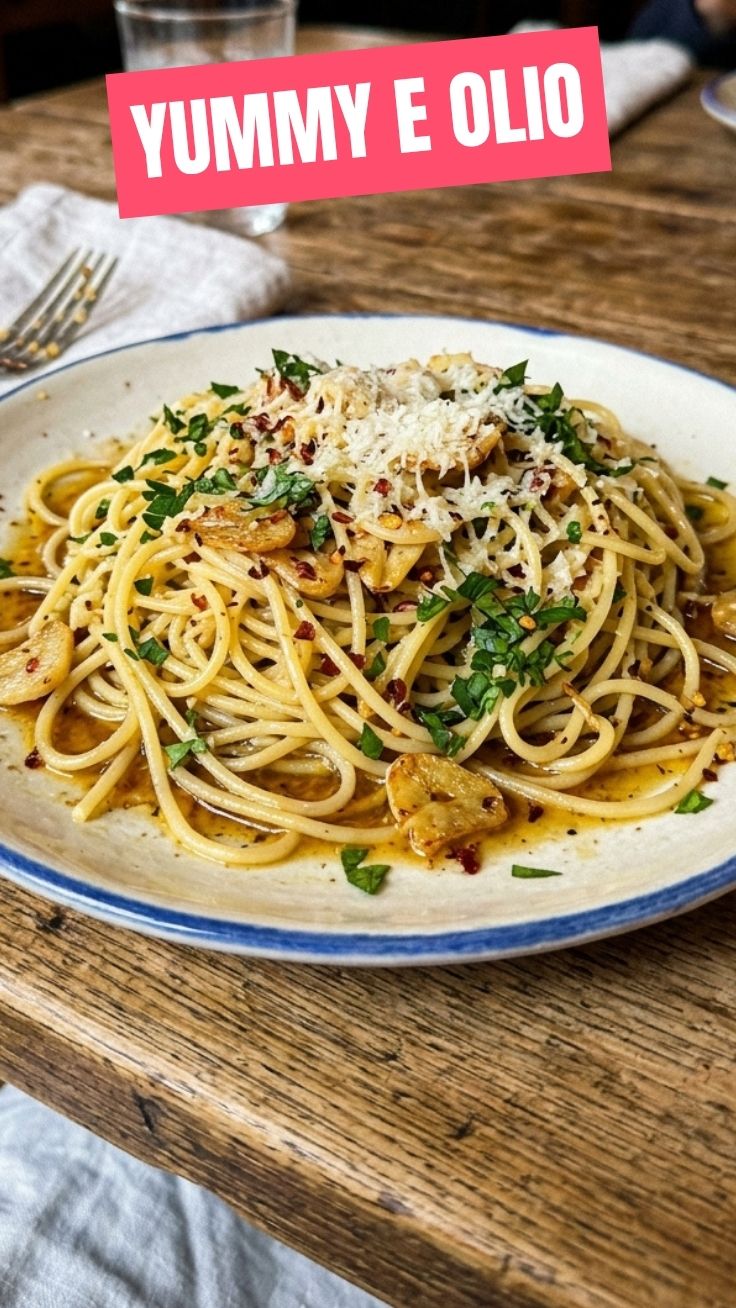
Ever wondered if you could recreate that restaurant-quality garlic shrimp linguine with spinach right in your own kitchen? The answer is a resounding yes! This classic Italian-inspired dish, often mistaken for a more elaborate creation, is remarkably simple to prepare, incredibly flavorful, and packed with wholesome goodness. Forget expensive takeout – mastering this recipe at home not only empowers your culinary skills but also ensures you’re enjoying fresh, high-quality ingredients. Whether you’re a seasoned chef or a kitchen novice, this comprehensive guide will equip you to craft an unforgettable meal. And for those who adore the simplicity and elegance of Aglio e Olio, you’ll find the foundational principles here. This recipe is a fantastic addition to your repertoire of delicious Pasta Recipes.
Ingredients & Kitchen Tools
To embark on your culinary journey, gather these essential items. Clarifications are provided to ensure you pick the best.
- 1 lb Linguine Pasta: Choose high-quality durum wheat pasta for best texture.
- 1 lb Large Shrimp (peeled & deveined, tails on or off): Fresh or frozen (thawed) work wonderfully. Large shrimp hold up well to cooking.
- 4-6 cloves Garlic (finely minced): The star of the show! Use fresh garlic for maximum flavor.
- 1/2 cup Extra Virgin Olive Oil: A good quality olive oil elevates the dish.
- 1/2 cup Dry White Wine (e.g., Pinot Grigio or Sauvignon Blanc): Adds acidity and depth. Substitution: Use chicken or vegetable broth for a non-alcoholic version.
- 4 cups Fresh Spinach: Washed and roughly chopped. Adds vibrant color and nutrition.
- 1/4 cup Fresh Parsley (chopped): For freshness and garnish.
- 1 Lemon: Juice of half, wedges for serving. Brightens all the flavors.
- 1/2 teaspoon Red Pepper Flakes (optional): For a gentle kick.
- Salt & Freshly Ground Black Pepper: To taste.
- Optional Garnishes: Grated Parmesan cheese, extra parsley.
Kitchen Tools:
- Large Pot: For cooking pasta.
- Large Skillet or Sauté Pan: For the sauce and shrimp.
- Colander: For draining pasta.
- Whisk: For emulsifying the sauce.
- Tongs: For tossing pasta.
- Cutting Board & Chef’s Knife: For prep.
Prep Time & Cooking Schedule
This recipe is designed for efficiency, making it perfect for weeknights!
- Prep Time: 15 minutes (mincing garlic, chopping spinach, prepping shrimp)
- Cook Time: 20-25 minutes (pasta cooking, sauce creation, shrimp sauté)
- Total Time: Approximately 35-40 minutes
The key is to multitask. While your pasta water comes to a boil, you can prep all your ingredients. Once the pasta is cooking, you can begin the sauce, ensuring everything finishes around the same time for a perfectly hot and cohesive dish.
Step-by-Step Instructions
Follow these detailed steps to achieve culinary perfection.
1. Boil Pasta Water: Fill your large pot with generously salted water and bring it to a rolling boil.
2. Cook Linguine: Add the linguine to the boiling water and cook according to package directions until al dente (firm to the bite). Before draining, reserve 1 cup of pasta water – this starchy water is crucial for the sauce!
3. Prepare Shrimp: While pasta cooks, pat the shrimp dry with paper towels. Season lightly with salt and pepper.
4. Sauté Garlic & Red Pepper Flakes: Heat the extra virgin olive oil in your large skillet over medium heat. Add the minced garlic and red pepper flakes (if using). Sauté for 1-2 minutes until fragrant, being careful not to burn the garlic – burnt garlic is bitter! This aromatic base is reminiscent of a well-executed Aglio e Olio.
5. Cook Shrimp: Increase heat to medium-high. Add the seasoned shrimp to the skillet in a single layer. Cook for 2-3 minutes per side, or until pink and opaque. Do not overcook, or the shrimp will become rubbery. Remove shrimp from the pan and set aside.
6. Deglaze & Create Sauce: Pour the white wine (or broth) into the hot skillet. Scrape up any browned bits from the bottom of the pan with a wooden spoon – this adds immense flavor. Let it simmer for 2-3 minutes, allowing the alcohol to cook off and the liquid to reduce slightly.
7. Add Spinach & Pasta Water: Stir in the fresh spinach. It will seem like a lot, but it wilts down quickly. Once wilted, add about half of your reserved pasta water. Bring to a gentle simmer.
8. Combine & Finish: Add the cooked linguine and the cooked shrimp back into the skillet. Toss everything together, adding more pasta water as needed to create a light, silky sauce that coats the pasta beautifully. Stir in the lemon juice and chopped parsley. Season with more salt and pepper to taste. For those looking for more delicious Pasta Recipes, ensure the balance of flavors is just right.
9. Serve Immediately: Garnish with extra parsley and lemon wedges if desired.
Nutritional Benefits & Advantages
This garlic shrimp linguine with spinach isn’t just delicious; it’s also a powerhouse of nutrition. Shrimp are an excellent source of lean protein, low in calories, and rich in selenium, vitamin B12, and phosphorus. Spinach is loaded with vitamins K, A, and C, as well as folate, iron, and potassium, all essential for bone health, vision, and immune function. Garlic offers potent antioxidant and anti-inflammatory properties, while olive oil provides healthy monounsaturated fats. This meal is balanced, providing complex carbohydrates from the linguine, lean protein, and a generous serving of vegetables, making it a satisfying and health-conscious choice.
Tips, Variations & Cooking Advice
- Spicy Kick: Increase the red pepper flakes for a spicier dish, or add a dash of cayenne pepper.
- Herb Variations: Experiment with other fresh herbs like basil or oregano for different flavor profiles.
- Vegetable Boost: Feel free to add cherry tomatoes, sautéed mushrooms, or artichoke hearts for extra texture and nutrients.
- Creamy Version: For a richer sauce, stir in a touch of heavy cream or a spoonful of mascarpone cheese at the very end.
- Gluten-Free: Easily swap linguine for your favorite gluten-free pasta.
- Protein Alternatives: If shrimp isn’t your preference, consider chicken breast, scallops, or even white beans for a vegetarian option.
- Perfect Al Dente: Always taste your pasta! It should have a slight bite to it, not be mushy.
Common Mistakes to Avoid
- Burning the Garlic: This is a cardinal sin! Garlic burns quickly and turns bitter. Keep the heat medium and watch it closely.
- Overcooking Shrimp: Overcooked shrimp become tough and rubbery. Cook just until they turn pink and opaque.
- Forgetting Pasta Water: That starchy liquid is your secret weapon for creating a silky, emulsified sauce. Don’t drain it all away!
- Underseasoning: Taste as you go! Salt and pepper are crucial for bringing out all the flavors.
- Piling too Many Shrimp: Cook shrimp in batches if your pan isn’t large enough to avoid overcrowding, which steams them instead of searing.
Storage & Meal Prep Tips
This dish is best enjoyed fresh, but leftovers can be stored.
- Refrigeration: Store any leftover garlic shrimp linguine with spinach in an airtight container in the refrigerator for up to 2-3 days.
- Freezing: This dish is generally not recommended for freezing, as pasta can become mushy and shrimp can change texture upon thawing.
- Reheating: Gently reheat in a skillet over low heat, adding a splash of chicken broth or water to loosen the sauce and prevent drying out. You can also microwave, stirring occasionally.
Conclusion
You now possess all the knowledge and techniques to master this exquisite garlic shrimp linguine with spinach. It’s a dish that beautifully marries simplicity with gourmet flair, a true testament to the power of fresh ingredients and balanced flavors. Whether you’re aiming for a quick weeknight meal or impressing dinner guests, this recipe is a reliable winner. Its foundational elements echo the elegant simplicity found in Aglio e Olio, making it a must-try for any pasta enthusiast. We encourage you to try this delightful recipe tonight and explore more incredible Pasta Recipes to further expand your culinary horizons. Share your creations and let us know what you think in the comments below! Happy cooking!
FAQs
Q1: Can I use pre-cooked shrimp for this recipe?
A1: While you can, fresh or frozen raw shrimp are highly recommended for the best flavor and texture. Pre-cooked shrimp can easily become rubbery when reheated. If you must use pre-cooked, add them in the last minute of cooking just to warm through.
Q2: What if I don’t have white wine?
A2: You can substitute the white wine with an equal amount of chicken or vegetable broth. The broth will still deglaze the pan and add liquid to the sauce, though you’ll miss the subtle acidity and complexity that wine provides.
Q3: How can I make this dish spicier?
A3: To increase the heat, add more red pepper flakes along with the garlic. For an even more intense kick, consider adding a pinch of cayenne pepper or a chopped jalapeño (remove seeds for less heat) at the beginning of the cooking process.
Q4: Can I use different types of pasta?
A4: Absolutely! While linguine is traditional, feel free to use spaghetti, fettuccine, or even a shorter pasta like penne or fusilli. Adjust cooking times according to the package directions for your chosen pasta.
Q5: My sauce isn’t as silky as I’d like. What went wrong?
A5: The key to a silky sauce is often the reserved pasta water. Ensure you’re adding enough of it gradually, while tossing the pasta. The starch from the pasta water helps to emulsify the olive oil and other liquids, creating that desirable glossy texture. If still too thin, simmer for an extra minute; if too thick, add a bit more pasta water.