Grill Your Way to Gains: The Ultimate Guide to Perfect High-Protein Grilled Chicken
Tired of bland, boring chicken dinners that leave you feeling hungry? Imagine sinking your teeth into perfectly seared, juicy chicken, bursting with flavor and packed with the protein your body craves. Preparing delicious high protein grilled chicken recipes at home isn’t just about nutrition; it’s about control, customization, and culinary satisfaction. In this comprehensive guide, we’ll unlock the secrets to achieving restaurant-quality grilled chicken every time, from mastering the perfect char to infusing incredible flavor with expert strategies for grilled chicken marinades. Get ready to elevate your weeknight meals and impress your taste buds!
Ingredients & Kitchen Tools
To embark on your grilled chicken journey, a well-stocked pantry and a few essential tools are key.
- Boneless, Skinless Chicken Breasts or Thighs (4-6 pieces): Opt for organic or free-range for best flavor and texture. Thighs offer more fat and moisture, while breasts are leaner.
- Olive Oil (2-3 tablespoons): Provides a good base for marinades and prevents sticking.
- Lemon Juice (2-3 tablespoons): Adds brightness and helps tenderize the meat.
- Garlic (3-4 cloves, minced): Essential for a pungent, aromatic flavor.
- Dried Herbs (1 tablespoon, e.g., oregano, thyme, rosemary): A classic blend for Mediterranean-inspired profiles.
- Smoked Paprika (1 teaspoon): Adds a smoky depth and beautiful color.
- Salt & Freshly Ground Black Pepper (to taste): Crucial for seasoning.
- Optional Flavor Boosters: Honey, Dijon mustard, soy sauce, hot sauce (for spicy kick), fresh herbs (parsley, cilantro).
- Grill (Gas or Charcoal): The star of the show. Ensure it’s clean and well-maintained.
- Tongs: For safely handling hot chicken.
- Meat Thermometer: Non-negotiable for ensuring proper doneness and food safety.
- Cutting Board & Chef’s Knife: For prepping chicken and garnishes.
- Mixing Bowls: For preparing marinades.
- Zip-top Bags or Shallow Dish: For marinating.
Prep Time & Cooking Schedule
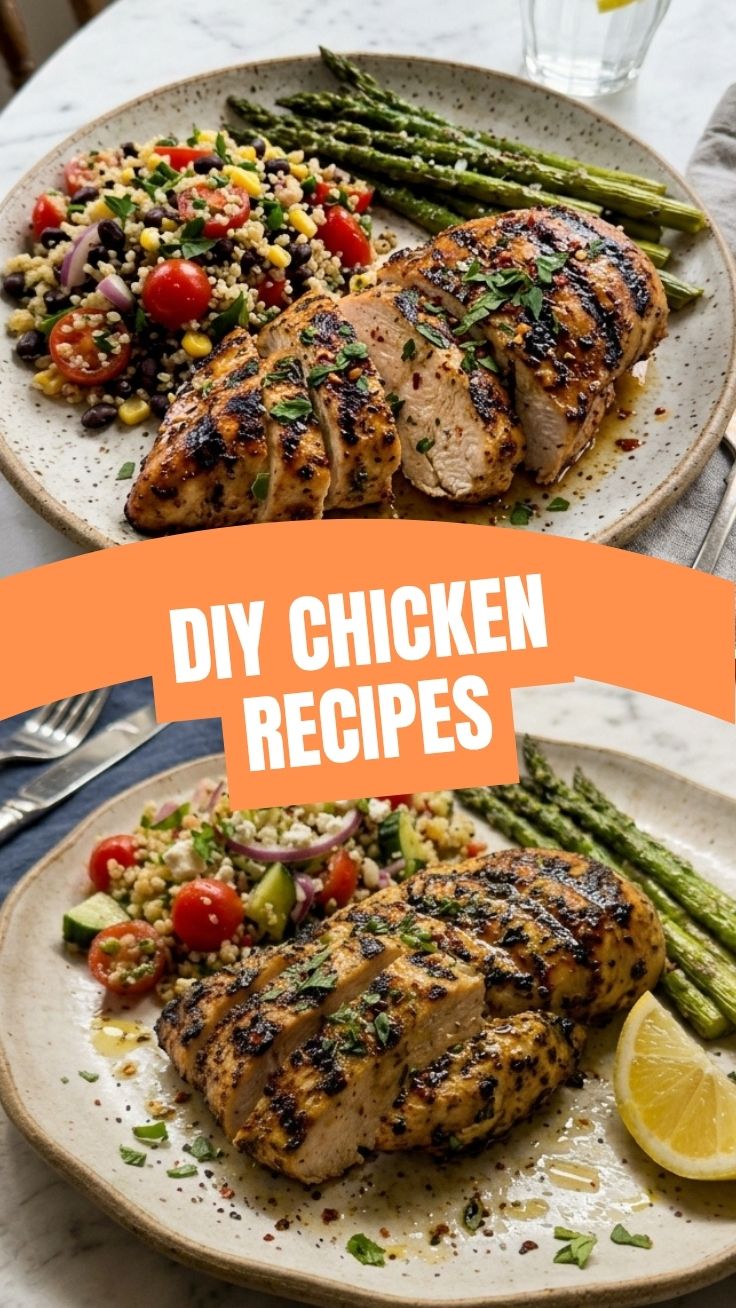
Planning is paramount for perfectly grilled chicken.
- Prep Time: 15 minutes (active preparation)
- Marinating Time: 30 minutes to 4 hours (minimum for flavor, overnight for maximum tenderness). This is where the magic of grilled chicken marinades truly shines, allowing the flavors to penetrate the meat.
- Cook Time: 6-10 minutes per side, depending on thickness and grill temperature.
- Resting Time: 5-10 minutes (critical for juicy results).
Step-by-Step Instructions
1. Prepare the Chicken: Pat dry chicken breasts or thighs with paper towels. If using breasts, you can butterfly them or pound them to an even ¼-inch thickness for quicker, more consistent cooking.
2. Whisk the Marinade: In a large bowl or zip-top bag, combine olive oil, lemon juice, minced garlic, dried herbs, smoked paprika, salt, and pepper. Incorporate any optional flavor boosters.
3. Marinate the Chicken: Add the prepared chicken to the marinade, ensuring it’s fully coated. Seal the bag or cover the dish and refrigerate for at least 30 minutes, or up to 4 hours. For truly flavorful high protein grilled chicken recipes, don’t skimp on this step.
4. Preheat the Grill: Preheat your grill to medium-high heat (around 400-450°F or 200-230°C). Clean the grates thoroughly with a wire brush.
5. Grill the Chicken: Lightly oil the grill grates. Place the marinated chicken on the hot grill. Close the lid and cook for 6-8 minutes per side, or until internal temperature reaches 165°F (74°C) with a meat thermometer. Avoid pressing down on the chicken, which squeezes out juices.
6. Rest the Chicken: Once cooked, transfer the chicken to a clean cutting board and tent loosely with foil. Let it rest for 5-10 minutes. This allows the juices to redistribute, resulting in incredibly tender and moist chicken.
7. Serve: Slice, dice, or serve whole. Enjoy!
Nutritional Benefits & Advantages
Grilled chicken offers a fantastic nutritional profile. It’s an excellent source of lean protein, essential for muscle growth, repair, and satiety. Grilling also minimizes added fats, making it a healthier cooking method compared to frying. Chicken is rich in B vitamins (niacin, B6), phosphorus, and selenium, all crucial for energy metabolism and overall well-being. Coupled with a diverse marinade, you can load your chicken with antioxidants and anti-inflammatory compounds from herbs and spices.
Tips, Variations & Cooking Advice
- Flavor Variations:
* Spicy: Add a pinch of cayenne pepper or a dash of hot sauce to the marinade.
* Asian-Inspired: Use soy sauce, ginger, and sesame oil in your marinade.
* Herbaceous: Experiment with fresh herbs like rosemary, thyme, or oregano.
* Sweet & Tangy: Incorporate a tablespoon of honey or maple syrup with balsamic vinegar.
- Ingredient Swaps:
* Yogurt Marinade: Greek yogurt with lemon juice and spices makes for an incredibly tenderizing marinade.
* Vinegar Alternatives: Red wine vinegar or apple cider vinegar can substitute lemon juice for different tangs.
- Alternative Cooking Methods: No grill? No problem! Cook in a grill pan on the stovetop or bake at 400°F (200°C) for 20-25 minutes.
- Dietary Adaptations: Naturally gluten-free if using gluten-free soy sauce. Dairy-free if yogurt isn’t used.
Common Mistakes to Avoid
- Not Pounding Chicken: Uneven thickness leads to uneven cooking—some parts dry, others undercooked.
- Skipping the Marinade: A good marinade is crucial for flavor and tenderness in grilled chicken.
- Grilling Cold Chicken: Always let chicken come to room temperature for 15-20 minutes before grilling for more even cooking.
- Overcrowding the Grill: This lowers the grill temperature and steams the chicken instead of searing it, preventing a good crust.
- Flipping Too Soon/Too Often: Let the chicken cook undisturbed to develop a good sear before flipping.
- Not Using a Meat Thermometer: Guessing doneness is dangerous and often leads to dry chicken.
- Skipping the Rest: This is the most common mistake! Resting is vital for juicy results.
Storage & Meal Prep Tips
Cooked grilled chicken can be a fantastic meal prep component. Store leftovers in an airtight container in the refrigerator for up to 3-4 days. For longer storage, freeze in a freezer-safe bag or container for up to 2-3 months. Thaw frozen chicken in the refrigerator overnight. Reheat gently in the microwave, oven, or a skillet with a splash of water or broth to prevent drying out. It’s excellent in salads, sandwiches, wraps, or grain bowls.
Conclusion
Mastering high protein grilled chicken recipes is a culinary game-changer, transforming simple ingredients into a meal that is both satisfying and incredibly healthy. By understanding the nuances of temperature, timing, and most importantly, the transformative power of well-chosen grilled chicken marinades, you’re well on your way to becoming a grill master. We encourage you to try this recipe, experiment with different flavors, and share your delicious creations. Happy grilling!
FAQs
Q1: How do I prevent my chicken from sticking to the grill?
A: Ensure your grill grates are clean and preheated to the correct temperature. Lightly oil the grates just before placing the chicken on them.
Q2: Can I use frozen chicken for this recipe?
A: Yes, but make sure it’s fully thawed before marinating and grilling. Thawing ensures even cooking and allows the marinade to penetrate properly.
Q3: What’s the best way to get those perfect grill marks?
A: Preheat your grill to a high temperature, ensuring the grates are very hot. Place the chicken on the grates, don’t move it for a few minutes, then rotate it 45 degrees for crosshatched marks before flipping.
Q4: How long should chicken marinate for?
A: A minimum of 30 minutes for flavor, but 2-4 hours is ideal. You can marinate overnight (up to 12 hours) for maximum tenderness and flavor, especially for leaner cuts like chicken breast.
Q5: Can I make this ahead for meal prep?
A: Absolutely! Grilled chicken is excellent for meal prep. Cooked chicken can be stored in the refrigerator for 3-4 days and reheated for various meals.