The Ultimate Homemade Guide to Crafting the Perfect Bolognese
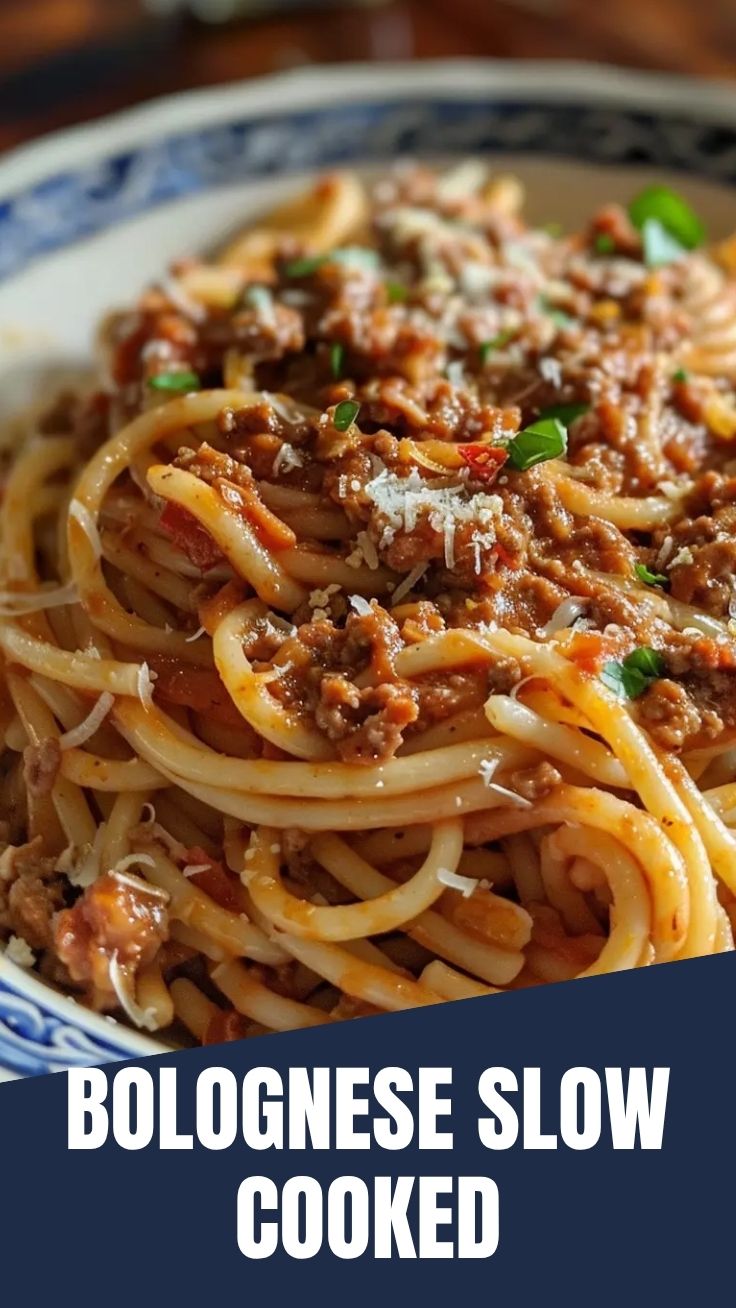
Ever wondered if you could recreate that rich, slow-simmered, utterly soul-satisfying Bolognese from your favorite Italian trattoria right in your own kitchen? The answer is a resounding yes! Preparing classic Italian dishes at home is not only incredibly rewarding but also allows you to control the quality of your ingredients and tailor the flavors to your exact preference. Forget bland, jarred sauces; today, we’re diving deep into crafting an authentic Spaghetti Bolognese, a culinary journey that promises incredible aromas and even more incredible tastes. Get ready to elevate your home cooking with this detailed guide, perfect for both seasoned chefs and enthusiastic beginners looking to master the art of a hearty Pasta Bolognese.
Ingredients & Kitchen Tools
Crafting the perfect Bolognese requires a thoughtful selection of fresh ingredients and a few essential kitchen companions.
- Ground Meat (1.5 lbs): A blend of beef and pork (80/20 fat ratio recommended for flavor and moisture) or go for lean ground turkey for a healthier twist.
- Pancetta (4 oz): Diced finely. Adds a foundational layer of savory depth. (Substitute with regular bacon, or omit for a vegetarian version).
- Olive Oil (2 tbsp): Extra virgin for sautéing.
- Mirepoix (1 cup each): Finely diced onions, carrots, and celery. The aromatic trinity that kickstarts the flavor.
- Garlic (4-5 cloves): Minced. For that indispensable pungent aroma.
- Crushed Tomatoes (28 oz can): High-quality, San Marzano if possible, for sweet, ripe tomato flavor.
- Tomato Paste (2 tbsp): Concentrates the tomato flavor.
- Red Wine (1 cup): Dry red wine like Sangiovese or Merlot. Adds complexity and acids that cut through richness. (Substitute with beef broth for alcohol-free).
- Whole Milk (1 cup): A surprising but crucial ingredient that tenderizes the meat and mellows the acidity.
- Beef Broth (1 cup): Adds body and intensifies meaty flavors.
- Bay Leaves (2): Infuses a subtle, herbaceous note during simmering.
- Nutmeg (1/4 tsp): Freshly grated, if possible. A secret weapon that enhances savory notes.
- Salt & Black Pepper (to taste): Essential for seasoning at every stage.
- Fresh Pasta (1 lb): Tagliatelle or pappardelle are traditional choices, offering broad surfaces to cling to the rich sauce. (Spaghetti is a popular choice; dried pasta works too).
- Parmigiano Reggiano (for serving): Freshly grated.
- Fresh Basil or Parsley (for garnish): Chopped.
Kitchen Tools:
- Large Dutch Oven or Heavy-Bottomed Pot: Essential for slow, even simmering.
- Wooden Spoon or Spatula: For stirring and breaking up meat.
- Chef’s Knife & Cutting Board: For precise dicing of vegetables.
- Measuring Cups & Spoons: For accurate ingredient proportions.
Prep Time & Cooking Schedule
This isn’t a quick weeknight meal, but rather a labor of love that promises incredible rewards for your patience. Plan accordingly to fully enjoy the process and the sensational results.
- Prep Time: 25-30 minutes (mostly dicing vegetables).
- Cook Time: 2.5 – 3 hours (low and slow simmering is key).
- Total Time: Approximately 3 – 3.5 hours.
This extensive cook time allows the flavors to meld and deepen, transforming simple ingredients into a complex, harmonious sauce. It’s a perfect weekend project or a dish to prepare on a day when you have time to let it gently bubble away on the stove, filling your home with an irresistible aroma.
Step-by-Step Instructions
Follow these detailed steps to achieve a truly authentic and delicious Bolognese. Remember, patience creates panache!
1. Render the Pancetta: In your large Dutch oven or heavy-bottomed pot, heat 1 tablespoon of olive oil over medium heat. Add the diced pancetta and cook until crispy and golden brown, about 5-7 minutes. Remove the pancetta with a slotted spoon and set aside, leaving the rendered fat in the pot.
2. Brown the Meat: Increase heat to medium-high. Add the ground beef and pork (or turkey) to the pot. Break up the meat with a wooden spoon and brown evenly, ensuring no pink remains. Drain any excess fat, then return the cooked pancetta to the pot.
3. Sauté the Mirepoix: Reduce heat to medium. Add the remaining 1 tablespoon of olive oil, then add the diced onions, carrots, and celery to the pot. Sauté until the vegetables soften and become fragrant, about 8-10 minutes. Stir in the minced garlic and cook for another minute until aromatic.
4. Concentrate Tomato Flavor: Stir in the tomato paste and cook for 2-3 minutes, stirring constantly. This step browns the paste slightly, deepening its flavor.
5. Deglaze with Wine: Pour in the red wine, scraping up any browned bits from the bottom of the pot with your wooden spoon. Let the wine simmer vigorously until it has almost completely evaporated, about 5-7 minutes. This concentrates the wine’s flavor while cooking off the alcohol.
6. Add Liquids & Seasonings: Stir in the crushed tomatoes, whole milk, beef broth, bay leaves, and freshly grated nutmeg. Bring the mixture to a gentle simmer.
7. Slow Simmer (The Magic Happens!): Reduce the heat to its lowest setting, cover partially (leaving a small gap for steam to escape), and let the sauce simmer for at least 2.5 to 3 hours. Stir occasionally, every 30-45 minutes, to prevent sticking. The sauce should be thick, rich, and deeply flavored. Season with salt and black pepper to taste during the last 30 minutes of cooking. This extended simmer is crucial for developing the characteristic depth of flavor for a truly authentic Spaghetti Bolognese. You’ll notice the sauce transforming into a velvety, complex concoction, perfect for any Pasta Bolognese.
8. Cook the Pasta: About 15 minutes before the sauce is done, cook your chosen pasta according to package directions in generously salted water until al dente. Reserve about 1 cup of pasta water before draining.
9. Combine & Serve: Remove the bay leaves from the sauce. Add the drained pasta directly to the Bolognese sauce. Toss to coat, adding a splash of reserved pasta water if needed to loosen the sauce. Serve immediately, garnished with generous amounts of freshly grated Parmigiano Reggiano and fresh basil or parsley.
Nutritional Benefits & Advantages
This hearty Bolognese isn’t just delicious; it also offers significant nutritional advantages. The ground meat provides a rich source of protein and iron, essential for muscle growth and energy. The abundance of vegetables like carrots, celery, and onions adds vitamins, minerals, and dietary fiber, promoting digestive health. Tomatoes are packed with lycopene, a powerful antioxidant. While traditionally rich, opting for lean ground turkey and whole wheat pasta can reduce calories and increase fiber content, making it a well-rounded and satisfying meal that keeps you full longer.
Tips, Variations & Cooking Advice
- Slow Cooker Method: After browning the meat and sautéing the mirepoix, transfer everything to a slow cooker. Add all remaining sauce ingredients, stir, and cook on low for 6-8 hours or on high for 3-4 hours.
- Vegetarian Bolognese: Replace the meat with finely chopped mushrooms (cremini, shiitake), lentils, or a plant-based ground substitute. Omit pancetta and use vegetable broth.
- Gluten-Free: Simply use gluten-free pasta. The sauce itself is naturally gluten-free.
- Spice It Up: Add a pinch of red pepper flakes during the mirepoix stage for a subtle kick.
- Freeze Leftovers: Bolognese freezes beautifully! Divide cooled sauce into airtight containers or freezer bags and freeze for up to 3 months.
- Make Ahead: The flavor of Bolognese only improves with time. Prepare the sauce a day or two in advance and reheat gently before serving.
Common Mistakes to Avoid
- Not Browning the Meat Properly: This step builds a foundational layer of flavor (the Maillard reaction). Don’t rush it; ensure the meat is deeply browned.
- Skipping the Wine Reduction: Reducing the wine concentrates its flavors and cooks off the alcohol, leaving behind a complex richness.
- Under-Simmering: The long, slow simmer is non-negotiable for true Bolognese flavor. Rushing this step will result in a sauce that tastes thin and lacks depth.
- Too Much Liquid: If your sauce is too thin, partially uncover it during the last hour of simmering to allow more liquid to evaporate.
- Not Seasoning at Stages: Taste and adjust seasoning (salt and pepper) throughout the cooking process, not just at the end.
Storage & Meal Prep Tips
Cooled Bolognese sauce can be stored in an airtight container in the refrigerator for up to 3-4 days. For longer storage, it freezes exceptionally well for up to 3 months. To reheat, thaw overnight in the refrigerator (if frozen) and gently warm on the stovetop over low heat, adding a splash of water or broth if needed to restore consistency. This recipe is fantastic for meal prepping; make a large batch, portion it out, and you have several delicious, comforting meals ready to go.
Conclusion
Mastering this traditional Spaghetti Bolognese recipe is more than just cooking; it’s an immersive culinary experience that transports you straight to Italy. From the fragrant mirepoix to the deep, meaty richness of the slow-simmered sauce, every step contributes to a dish that is truly a labor of love. We encourage you to set aside an afternoon, savor the process, and delight in the incredible flavors that unfold. Your efforts will be handsomely rewarded with a perfect Pasta Bolognese that will impress family and friends alike. Don’t just make a meal; create a memory. Share your creations and tips in the comments below!
FAQs
Q1: Can I make Bolognese without wine?
A1: Yes, you can substitute the red wine with an equal amount of beef broth or water. While the wine adds a unique depth, the sauce will still be delicious.
Q2: Why add milk to Bolognese?
A2: Milk helps to tenderize the meat, mellows the acidity of the tomatoes, and contributes to the creamy, rich texture of the sauce without making it taste dairy-heavy.
Q3: My Bolognese is too thin, what can I do?
A3: If your sauce is too thin, continue simmering it uncovered over low heat. The extra evaporation will help it thicken. You can also mix a teaspoon of cornstarch with a tablespoon of cold water, then stir it into the simmering sauce.
Q4: Can I use different types of pasta?
A4: Absolutely! While tagliatelle and pappardelle are traditional, you can use any sturdy pasta shape that can hold up to the hearty sauce, such as penne, rigatoni, or even fettuccine.
Q5: How long does Bolognese sauce last in the freezer?
A5: Properly stored in an airtight container, Bolognese sauce can last for up to 3 months in the freezer without a significant loss in quality or flavor.