Sizzle and Savor: Unlock the Secret to Perfect Homemade Fajitas (Chicken or Beef)
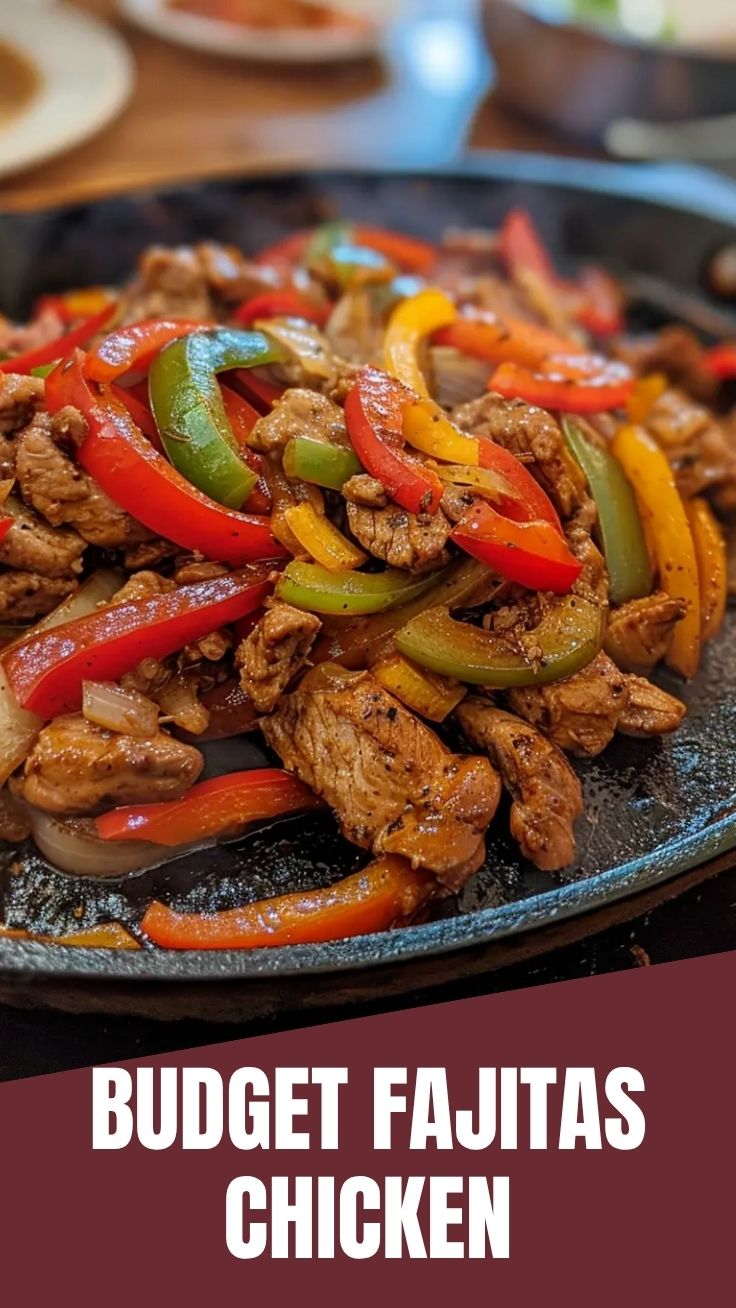
Ever stared longingly at a sizzling platter of fajitas at your favorite restaurant and thought, “I could never make that at home”? Think again! Crafting restaurant-quality Fajitas (Chicken or Beef) in your own kitchen is not only achievable but also incredibly rewarding. Imagine the aroma filling your home, the vibrant colors of perfectly seared peppers and onions, and the tantalizing scent of authentic fajita seasoning. This comprehensive guide will empower you to create a culinary masterpiece that will impress family and friends, all while offering the benefits of fresh, wholesome ingredients and personalized flavors. Let’s ditch the takeout menus and embrace the joy of homemade goodness!
Ingredients & Kitchen Tools
Gather your culinary arsenal! Here’s what you’ll need to create your incredible fajitas:
- 1 ½ lbs Chicken Breast or Beef Sirloin/Flank Steak: Choose quality cuts for optimal flavor and tenderness. Chicken breast offers a leaner option, while beef steak delivers a richer, more robust taste.
- 2-3 Bell Peppers (assorted colors): Red, yellow, and orange bell peppers add sweetness, vibrant color, and essential vitamins.
- 1 Large Onion: Sliced for sweetness and savory depth.
- 2 tbsp Olive Oil: For searing and sautéing.
- 2-3 tbsp fajita seasoning: The star of the show, providing that signature zesty, smoky flavor. (Refer to our recommended recipe or commercial blends).
- 1 Lime: Fresh lime juice brightens the flavors.
- Warm Tortillas: Corn or flour, your preference. Essential for serving!
- Optional Toppings: Salsa, sour cream, guacamole, shredded cheese, cilantro (customize to your heart’s content!).
- Large Skillet or Cast Iron Pan: For achieving that perfect sizzle and char.
- Cutting Board & Sharp Knife: For safe and efficient preparation.
- Mixing Bowls: For marinating and seasoning.
- Tongs: For easy flipping and serving.
Prep Time & Cooking Schedule
Planning is key for a seamless cooking experience.
- Prep Time: 20 minutes (slicing chicken/beef, vegetables).
- Marinating Time: 30 minutes to 2 hours (optional, but highly recommended for tenderization and flavor infusion). You can even marinate overnight for deeper flavor.
- Cook Time: 15-20 minutes (searing meat and sautéing vegetables). This dish comes together quickly once prepped, making it an excellent weeknight option.
- Resting Time: 5 minutes for cooked meat before slicing to retain juices.
Step-by-Step Instructions
Let’s get cooking! Follow these clear steps to achieve fajita perfection.
1. Prepare the Protein: If using chicken, slice breasts into thin strips. For beef, slice against the grain into thin strips. This ensures tenderness and even cooking.
2. Marinate (Optional but Recommended): In a bowl, toss the sliced meat with 1 tablespoon of olive oil and 1-2 tablespoons of fajita seasoning. Cover and refrigerate for at least 30 minutes, or up to 2 hours. This infuses incredible flavor and helps tenderize the meat.
3. Prepare the Vegetables: Slice bell peppers and onion into thin strips.
4. Sear the Meat: Heat 1 tablespoon of olive oil in your large skillet or cast iron pan over medium-high heat until shimmering. Add the marinated meat in a single layer, ensuring not to overcrowd the pan. Cook for 2-3 minutes per side until beautifully seared and cooked through. Remove from the pan and set aside. For the best Fajitas (Chicken or Beef), it’s crucial to get a good char.
5. Sauté the Vegetables: In the same pan, add another tablespoon of olive oil if needed. Add the sliced bell peppers and onions. Sauté for 5-7 minutes, until they are tender-crisp and slightly caramelized. You want them to soften but still have a bit of bite.
6. Combine and Finish: Return the cooked meat to the pan with the vegetables. Squeeze fresh lime juice over everything and toss to combine.
7. Serve: Serve immediately with warm tortillas and your favorite toppings.
Nutritional Benefits & Advantages
Beyond their incredible taste, homemade fajitas offer a wealth of nutritional advantages. Lean protein from chicken or beef contributes to muscle growth and repair, while bell peppers and onions are packed with vitamins, minerals, and antioxidants. This dish is naturally gluten-free (if using corn tortillas) and can be easily adapted to be dairy-free. By making them at home, you control the amount of sodium and unhealthy fats, promoting a healthier eating style compared to restaurant versions.
Tips, Variations & Cooking Advice
- Spice Level: Adjust the amount of fajita seasoning to your preference. For extra heat, add a pinch of cayenne pepper or a sliced jalapeño with the vegetables.
- Vegetarian Fajitas: Substitute the meat with portobello mushrooms, extra firm tofu, or a mix of colorful vegetables like zucchini, corn, and cherry tomatoes.
- Smoky Flavor: For an extra layer of smoky flavor, add a pinch of smoked paprika to your seasoning blend.
- Grilling: Instead of a skillet, you can grill your meat and vegetables for a delicious char and outdoor flavor.
- Marinade Boost: Add a splash of orange juice or a teaspoon of apple cider vinegar to your marinade for extra tenderization and a subtle tangy note.
Common Mistakes to Avoid
- Overcrowding the Pan: This lowers the pan temperature, preventing proper searing and leading to steamed, rather than caramelized, meat and vegetables. Cook in batches if necessary.
- Overcooking the Meat: Chicken can become dry, and beef can become tough. Cook just until done.
- Undercooking Vegetables: You want tender-crisp, not raw, vegetables. Give them enough time to soften and release their sweetness.
- Skipping the Lime: Fresh lime juice is crucial for balancing the flavors and adding brightness.
Storage & Meal Prep Tips
Leftover fajitas are fantastic!
- Storage: Store cooked meat and vegetables separately in airtight containers in the refrigerator for up to 3-4 days. Store tortillas separately.
- Freezing: For longer storage, freeze the cooked meat and vegetables in separate freezer-safe bags or containers for up to 2-3 months. Thaw overnight in the refrigerator.
- Reheating: Reheat in a skillet over medium heat until warmed through to maintain texture. Microwaving can make the vegetables a bit soft. Warm tortillas separately in a dry skillet, microwave, or oven.
Conclusion
Mastering homemade Fajitas (Chicken or Beef) is a culinary triumph that opens up a world of delicious, customizable meals. With the right ingredients, a quality fajita seasoning, and these straightforward steps, you’re now equipped to create a memorable dining experience. We encourage you to try this recipe tonight and share your sizzling results! What are your favorite fajita toppings? Let us know in the comments below!
FAQs
Q: Can I use pre-cut fajita meat?
A: Absolutely! Pre-cut meat saves time, just ensure it’s thinly sliced for best results.
Q: What’s the best way to get a good char on my meat and vegetables?
A: Use a hot skillet or cast iron pan and avoid overcrowding. Cook in batches if needed, allowing each piece to make direct contact with the hot surface.
Q: Can I make my own fajita seasoning?
A: Yes! A common blend includes chili powder, cumin, smoked paprika, garlic powder, onion powder, oregano, salt, and black pepper. Adjust ratios to your taste.
Q: How do I keep my tortillas warm?
A: Wrap them in foil and place them in a warm oven (around 200°F/93°C) or in a tortilla warmer wrapped in a damp paper towel.
Q: Are there any dairy-free topping options?
A: Absolutely! Salsa, guacamole, fresh cilantro, lime wedges, and pickled jalapeños are all delicious dairy-free choices.