Unlock the Secret to the Perfect Golden Crust: Your Ultimate Cornbread Recipe Awaits!
Ever wondered what transforms humble cornmeal into a culinary masterpiece, delivering that irresistible, golden crust and tender interior? Preparing homemade Cornbread isn’t just about baking; it’s about crafting a comforting classic that elevates any meal. Forget those dry, crumbly imitations – today, we’re diving deep into the art of creating the perfect cornbread from scratch, ensuring every bite is a delightful experience. This comprehensive guide will not only equip you with the exact techniques for a moist and flavorful result but also explore various cornbread recipes inspiration to bring your kitchen to life. Master this fundamental dish, and you’ll open a world of delicious possibilities.
Ingredients & Kitchen Tools
Gather your culinary arsenal for this delightful venture!
- 1 cup yellow cornmeal: The star of our show, providing that signature grainy texture and earthy flavor. Opt for fine or medium ground.
- 1 cup all-purpose flour: Balances the cornmeal, giving structure and tenderness.
- 1 tablespoon baking powder: Our leavening agent, responsible for that beautiful rise.
- ½ teaspoon baking soda: Reacts with buttermilk for extra fluffiness and a tender crumb.
- ½ teaspoon salt: Enhances all the other flavors.
- 2 tablespoons granulated sugar (optional): Adds a touch of sweetness, depending on your preference for savory or slightly sweet cornbread.
- 1 large egg: Acts as a binder, contributing to the richness and structure.
- 1 cup buttermilk: The secret ingredient for moistness and a tangy depth. If you don’t have buttermilk, combine 1 cup milk with 1 tablespoon lemon juice or vinegar and let it sit for 5 minutes.
- ¼ cup unsalted butter, melted: Adds richness and helps create that coveted golden crust.
- 2 tablespoons vegetable oil (for pan): Ensures your cornbread doesn’t stick and helps crisp the bottom.
- 10-inch cast iron skillet or 8×8 inch baking dish: Essential for even heat distribution and that perfect crust. A cast iron skillet is highly recommended for its superior results.
- Large mixing bowls: For combining wet and dry ingredients.
- Whisk: For blending dry ingredients and light mixing.
- Rubber spatula: For folding and ensuring no dry bits are left behind.
- Measuring cups and spoons: For precise ingredient measurements.
Prep Time & Cooking Schedule
- Prep Time: 10 minutes
- Cook Time: 20-25 minutes
- Resting Time (after baking): 5-10 minutes
This recipe is wonderfully quick, making it ideal for a weeknight side dish or a last-minute potluck contribution. Plan to preheat your oven and skillet while you mix the batter, minimizing downtime. The resting period allows the cornbread to set, making it easier to slice and enhancing its texture.
Step-by-Step Instructions
Let’s get baking! Achieving perfect Cornbread is all about technique and timing.
1. Preheat & Prepare: Preheat your oven to 400°F (200°C). Place your cast iron skillet (or baking dish) with 2 tablespoons of vegetable oil in the oven as it preheats for at least 10 minutes. This creates a hot surface for an incredibly crispy bottom crust.
2. Combine Dry Ingredients: In a large mixing bowl, whisk together the cornmeal, flour, baking powder, baking soda, salt, and sugar (if using). Ensure there are no lumps for an even texture.
3. Combine Wet Ingredients: In a separate medium bowl, whisk the egg until lightly beaten. Add the buttermilk and melted butter, mixing until just combined.
4. Combine Wet and Dry: Pour the wet ingredients into the dry ingredients. Stir with a rubber spatula until just combined. A few lumps are perfectly fine; overmixing will lead to tough cornbread. The batter should be thick but pourable.
5. Pour into Hot Skillet: Carefully remove the hot skillet from the oven (use oven mitts!). Swirl the hot oil to coat the bottom and sides evenly. Pour the batter quickly into the sizzling hot skillet. You should hear a satisfying sizzle!
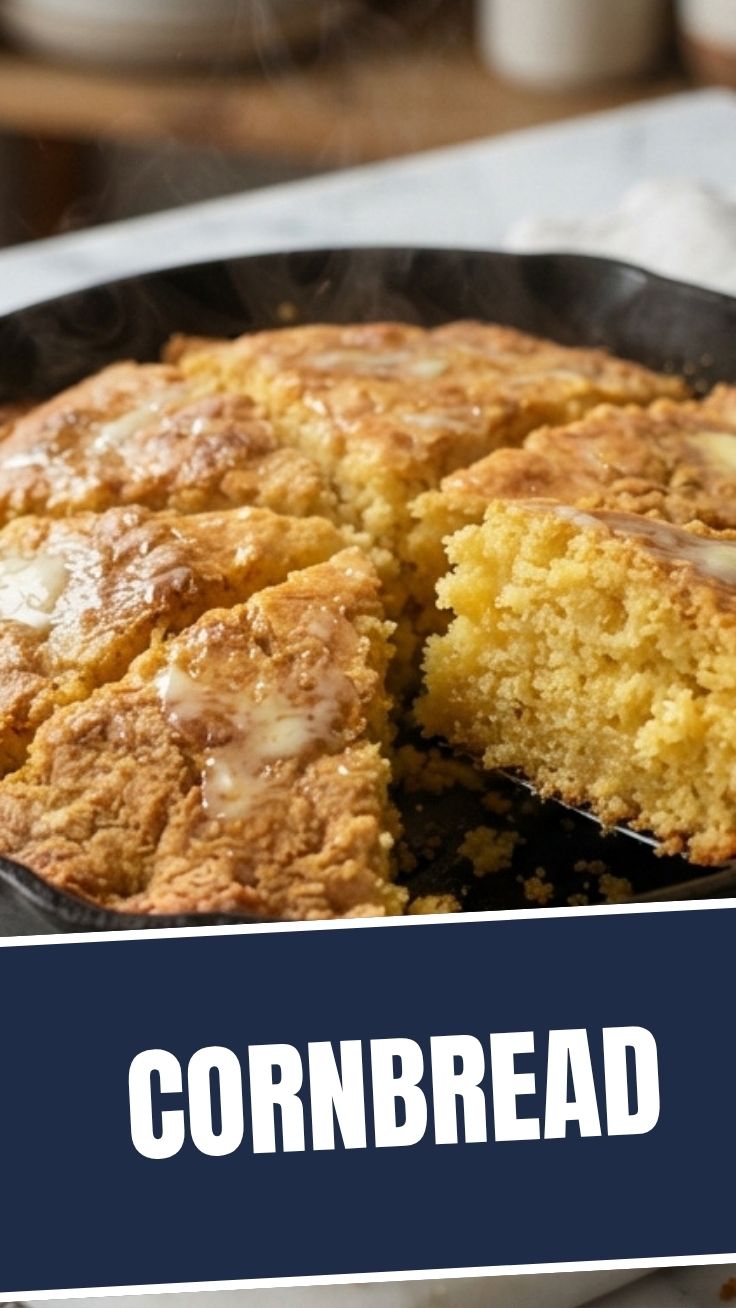
6. Bake to Golden Perfection: Return the skillet to the oven. Bake for 20-25 minutes, or until the top is golden brown and a wooden skewer inserted into the center comes out clean.
7. Cool & Serve: Once baked, remove the Cornbread from the oven. Let it cool in the skillet for 5-10 minutes before slicing and serving. This allows it to firm up, making it easier to cut. Enjoy exploring various cornbread recipes once you’ve mastered this base!
Nutritional Benefits & Advantages
Our homemade Cornbread offers more than just comfort. Cornmeal itself is a good source of dietary fiber, which aids digestion and promotes gut health. It also contains essential minerals like iron, phosphorus, and magnesium. When made with buttermilk, you get the added benefit of probiotics, contributing to a healthy microbiome. Choosing to bake at home allows you to control the sugar and fat content, making it a healthier alternative to many store-bought options. It’s a satisfying and wholesome addition to any meal, providing sustained energy.
Tips, Variations & Cooking Advice
- Sweet vs. Savory: Adjust the sugar content to your preference. For a truly Southern, savory version, omit the sugar entirely.
- Add-ins: Elevate your cornbread with exciting additions!
* Cheese: ½ cup shredded cheddar or jalapeño jack for a cheesy kick.
* Jalapeños: Finely diced fresh or pickled jalapeños for a spicy twist.
* Corn Kernels: ½ cup fresh or frozen (thawed) corn for extra sweetness and texture.
* Herbs: 1 tablespoon chopped fresh chives or green onions for an aromatic touch.
- Buttermilk Substitute: As mentioned, you can make your own with milk and lemon juice/vinegar if buttermilk isn’t available.
- Crispy Edges: For extra crispy edges, preheat your skillet with butter instead of oil.
- Muffin Pan: For individual portions, pour the batter into a greased muffin pan and bake for 15-18 minutes.
Common Mistakes to Avoid
- Overmixing the Batter: This is the cardinal sin of cornbread! Overmixing develops the gluten in the flour too much, resulting in a tough, rubbery texture. Mix until just combined.
- Cold Skillet: Pouring batter into a cold skillet will prevent that delicious crispy bottom crust. Always preheat your skillet with oil.
- Underbaking: An underbaked cornbread will be doughy and collapse in the middle. Ensure a wooden skewer comes out clean.
- Ignoring Baking Soda: If using buttermilk, baking soda is crucial for the proper chemical reaction that provides lift and tenderness. Don’t skip it!
Storage & Meal Prep Tips
Leftover Cornbread can be a true delight! Store cooled cornbread in an airtight container at room temperature for up to 2-3 days. For longer storage, wrap individual slices tightly in plastic wrap and then foil, and freeze for up to 3 months. To reheat, thaw frozen portions at room temperature and then warm in a preheated oven (350°F / 175°C) for about 10-15 minutes, or until heated through. Alternatively, a quick zap in the microwave works, but the crust won’t be as crisp. It’s excellent crumbled into chili, made into croutons, or even as the base for a comforting cornbread pudding.
Conclusion
There you have it – your definitive guide to crafting the perfect Cornbread! With this recipe and these detailed tips, you’re well-equipped to bake a golden, moist, and utterly delicious classic that will undoubtedly become a staple in your kitchen. Remember, practice makes perfect, but even your first attempt will likely be a triumph. Don’t stop here, though – once you’ve mastered this foundational dish, unleash your culinary creativity by exploring myriad cornbread recipes, from savory dressings to sweet muffins. Share your results with us in the comments below, and let us know your favorite variations! Happy baking!
FAQs
Q1: Can I use white cornmeal instead of yellow?
A1: Absolutely! White cornmeal will result in a slightly paler cornbread with a subtly different, often milder, corn flavor, but the texture will be similar.
Q2: My cornbread came out dry. What went wrong?
A2: Dry cornbread is usually a sign of overcooking or too much flour/not enough liquid. Ensure you’re measuring accurately and baking only until a skewer comes out clean. Overmixing can also contribute to dryness.
Q3: Can I make this recipe gluten-free?
A3: Yes, you can! Substitute the all-purpose flour with a 1:1 gluten-free baking flour blend (ensure it contains xanthan gum) and ensure your cornmeal is certified gluten-free.
Q4: How can I make my cornbread sweeter?
A4: You can increase the granulated sugar to ¼ cup or even ½ cup, depending on your desired sweetness. Another option is to drizzle honey or maple syrup over the warm cornbread after baking.
Q5: What’s the best way to serve cornbread?
A5: Cornbread is incredibly versatile! It’s fantastic served warm with butter, honey, or jam. It’s a perfect accompaniment to chili, stews, pulled pork, fried chicken, or any robust meal. It’s a staple for a reason!