From Garden to Bowl: The Ultimate Homemade Butternut Squash Soup Experience
Ever wondered if you could capture the essence of autumn in a single, comforting dish? The answer is a resounding yes, especially when you master the art of homemade Butternut Squash Soup. Forget bland, canned versions; preparing this vibrant, velvety soup at home not only fills your kitchen with an intoxicating aroma but also allows for personalized flavors and wholesome ingredients. And for those who love a perfectly paired side, mastering a flaky pie crust can elevate your meal to a gourmet experience, providing a delightful contrast to the soup’s creamy texture. This guide will walk you through creating a truly exceptional butternut squash soup, from selecting the finest squash to achieving that perfect silky finish.
Ingredients & Kitchen Tools
Crafting the perfect butternut squash soup starts with quality ingredients and the right tools.
- Butternut Squash (1 medium, ~2-3 lbs): The star of the show! Look for firm squash without soft spots.
- Onion (1 large): Adds foundational sweetness and depth.
- Carrots (2 medium): Contributes natural sweetness and vibrant color.
- Garlic Cloves (3-4): For aromatic complexity.
- Vegetable Broth (4-6 cups): Choose a low-sodium variety to control seasoning. You can also use chicken broth for a richer flavor.
- Coconut Milk (1 can, 13.5 oz, full-fat): Creates a luxurious, creamy texture without dairy. Heavy cream is a good alternative.
- Olive Oil (2 tablespoons): For sautéing and roasting.
- Brown Sugar or Maple Syrup (1-2 tablespoons): Enhances the natural sweetness of the squash.
- Spices:
* Nutmeg (1/2 teaspoon): A classic pairing with squash.
* Cinnamon (1/4 teaspoon): Adds warmth.
* Ginger (1/2 teaspoon, ground or 1 tbsp fresh, grated): Offers a subtle spicy kick.
* Salt & Black Pepper (to taste): Essential for seasoning.
- Fresh Sage or Thyme (optional, for garnish): Adds an herbal touch and visual appeal.
- Kitchen Tools:
* Large Baking Sheet: For roasting the squash.
* Large Pot or Dutch Oven: For simmering the soup.
* Immersion Blender or High-Speed Blender: Crucial for achieving a smooth consistency. An immersion blender is safer and less messy.
* Sharp Knife & Cutting Board: For prep work.
* Vegetable Peeler: To peel the squash (optional, as roasting with skin on makes peeling easier).
* Spatula & Ladle: For stirring and serving.
Prep Time & Cooking Schedule
This recipe requires a bit of hands-on prep but much of the cooking is passive, allowing you to multitask.
- Prep Time: 20 minutes (peeling, chopping)
- Roasting Time: 30-40 minutes
- Simmering Time: 20-25 minutes
- Blending & Finishing: 5-10 minutes
- Total Time: Approximately 1 hour 30 minutes
Plan to start about an hour and a half before you want to serve. The squash roasts beautifully, concentrating its flavors, and the soup improves as it simmers. There’s no specific resting or marinating time needed beyond a few minutes for cooling before blending.
Step-by-Step Instructions
Follow these steps for a rich, flavorful, and incredibly smooth butternut squash soup.
1. Prepare the Squash: Preheat your oven to 400°F (200°C). Carefully peel the butternut squash using a vegetable peeler. Cut it in half lengthwise, scoop out the seeds, and chop the flesh into 1-inch cubes. Pro tip: roasting with the skin on until tender, then scooping out the flesh, can be easier and safer.
2. Roast the Vegetables: On a large baking sheet, toss the cubed butternut squash, chopped onion, and carrots with 1 tablespoon of olive oil, salt, and pepper. Roast for 30-40 minutes, or until the squash is tender and lightly caramelized. Add the minced garlic during the last 10 minutes of roasting to prevent burning. This roasting step is key to developing a deep, rich flavor for your Butternut Squash Soup.
3. Sauté Aromatics (Optional): While veggies roast, you can finely mince 1-2 shallots and sauté them in the pot for 3-5 minutes before adding the roasted vegetables. This adds another layer of flavor.
4. Simmer the Soup: Transfer the roasted vegetables to a large pot or Dutch oven. Pour in the vegetable broth, ensuring the vegetables are mostly submerged. Bring to a boil, then reduce heat and simmer for 15-20 minutes, allowing the flavors to meld.
5. Add Creamy Goodness & Spices: Stir in the full-fat coconut milk, brown sugar (or maple syrup), nutmeg, cinnamon, and ginger. Continue to simmer gently for another 5 minutes, allowing the spices to infuse.
6. Blend to Perfection: Carefully use an immersion blender directly in the pot until the soup is completely smooth and creamy. If using a high-speed blender, work in batches, filling the blender only half full and holding the lid securely with a towel to prevent steam pressure buildup. Return blended soup to the pot.
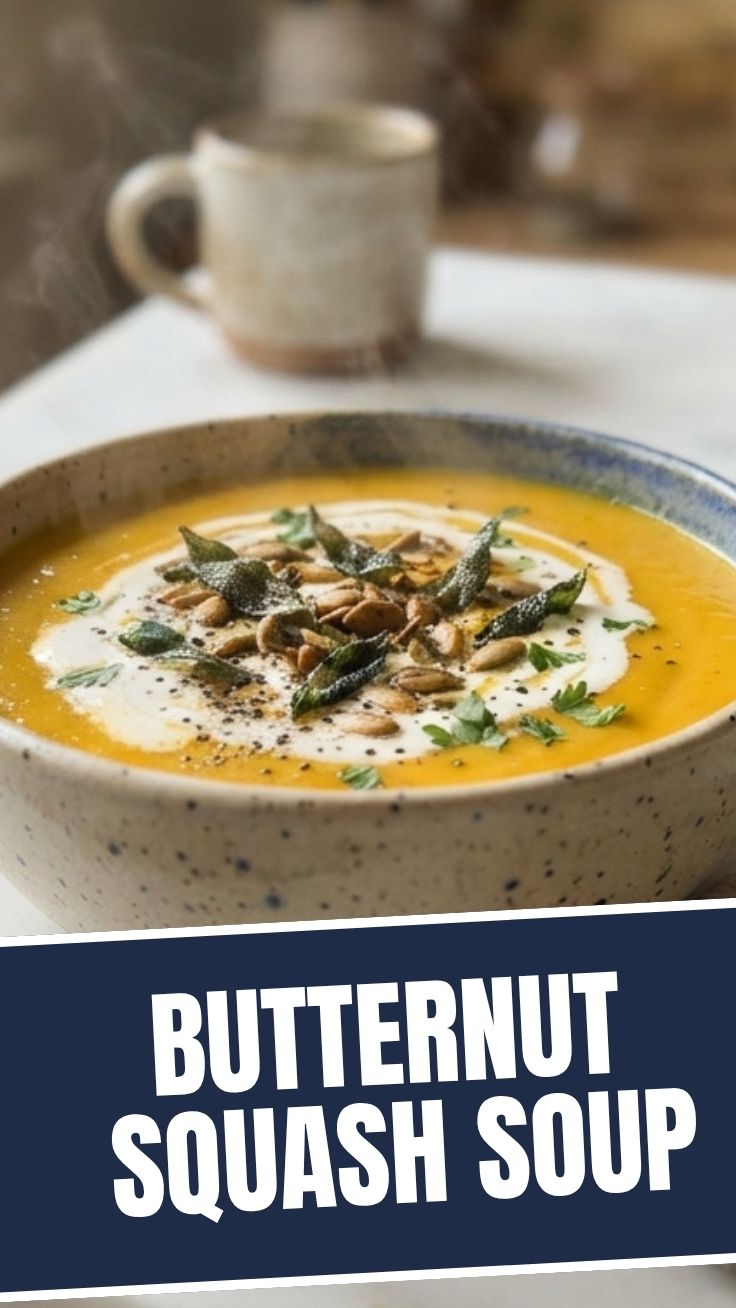
7. Season and Serve: Taste the soup and adjust seasoning with additional salt, pepper, or a pinch more sugar/maple syrup if needed. For those planning a full meal, this soup pairs wonderfully with a savory tart made with a perfect homemade pie crust for a textural counterpoint. Serve hot, garnished with fresh sage, a swirl of coconut milk, or toasted pumpkin seeds.
Nutritional Benefits & Advantages
Butternut squash is a nutritional powerhouse! It’s rich in vitamins A and C, providing vital antioxidants that boost immunity and promote healthy vision. It’s also a good source of dietary fiber, aiding in digestion and promoting satiety. The addition of coconut milk offers healthy fats, while the blend of spices like ginger and cinnamon provides anti-inflammatory benefits. This soup is naturally gluten-free and can be made vegan, making it an excellent choice for a variety of dietary needs.
Tips Variations & Cooking Advice
- Spice it up: Add a pinch of cayenne pepper or a dash of hot sauce for a spicy kick.
- Herbaceous notes: Rosemary or thyme pairs beautifully with butternut squash. Add a sprig or two during simmering.
- Sweetness adjustment: For a less sweet soup, reduce the brown sugar or maple syrup. For more sweetness, consider adding a roasted apple along with the squash.
- Texture play: For a chunky soup, only blend half of the mixture.
- Dietary swaps:
* Dairy-free: Already covered with coconut milk!
* Gluten-free: This recipe is naturally gluten-free.
* Keto-friendly: Omit the brown sugar/maple syrup and use a keto-friendly sweetener. Ensure your broth is low-carb.
Common Mistakes to Avoid
- Not roasting the squash: Skipping the roasting step sacrifices a significant amount of flavor depth. Roasting caramelizes the sugars, intensifying the squash’s natural sweetness.
- Under-seasoning: Butternut squash can be bland without proper seasoning. Don’t be shy with salt, pepper, and the warming spices.
- Blending hot liquid improperly: If using a regular blender, always vent the lid to prevent steam buildup and potential splashes. Blend in small batches. An immersion blender is safest.
- Over-reducing broth: If the soup becomes too thick during simmering, add a splash more broth or water to reach your desired consistency.
Storage & Meal Prep Tips
This butternut squash soup is a fantastic meal prep option.
- Refrigeration: Store leftover soup in an airtight container in the refrigerator for up to 3-4 days.
- Freezing: This soup freezes exceptionally well. Allow it to cool completely, then transfer to freezer-safe containers or bags. Freeze for up to 3 months.
- Reheating: Thaw frozen soup in the refrigerator overnight or gently reheat from frozen on the stovetop over low heat, stirring occasionally. You may need to add a splash of broth or water to adjust consistency. Avoid high heat when reheating to prevent splitting the coconut milk.
Conclusion
Creating a homemade Butternut Squash Soup is a rewarding culinary journey that yields a bowl of pure, comforting goodness. From the vibrant color to the silky texture and layers of flavor, this recipe transforms simple ingredients into something extraordinary. And whether you’re enjoying it on its own or alongside a savory treat nestled in a flaky homemade pie crust, you’ll find that the effort invested is well worth it. We encourage you to try this recipe and savor the delightful taste of autumn in every spoonful! Share your creations and let us know your favorite variations in the comments below.
FAQs
Q1: Can I make this soup without coconut milk?
A1: Yes, you can substitute full-fat heavy cream for an equally rich, creamy texture. For a lighter option, use half-and-half or a plant-based milk alternative like almond or oat milk, but be aware it may alter the creaminess.
Q2: How do I make this soup spicier?
A2: Add a pinch of cayenne pepper or a small amount of finely minced jalapeño (remove seeds for less heat) during the sautéing or simmering phase. A dash of sriracha or hot sauce at the end also works.
Q3: What’s the best way to peel a butternut squash safely?
A3: To make peeling easier and safer, microwave the whole squash for 2-3 minutes, or pierce it and roast for 15-20 minutes. This softens the skin. Alternatively, you can roast the squash in halves with the skin on, then scoop out the tender flesh.
Q4: My soup is too thin/thick. How can I fix it?
A4: If it’s too thick, gradually stir in more vegetable broth or water until you reach your desired consistency. If it’s too thin, simmer it gently for a longer period, uncovered, to allow some of the liquid to evaporate. Be careful not to scorch the bottom.