The Ultimate Guide to Perfect Pot Roast: From Prep to Plate
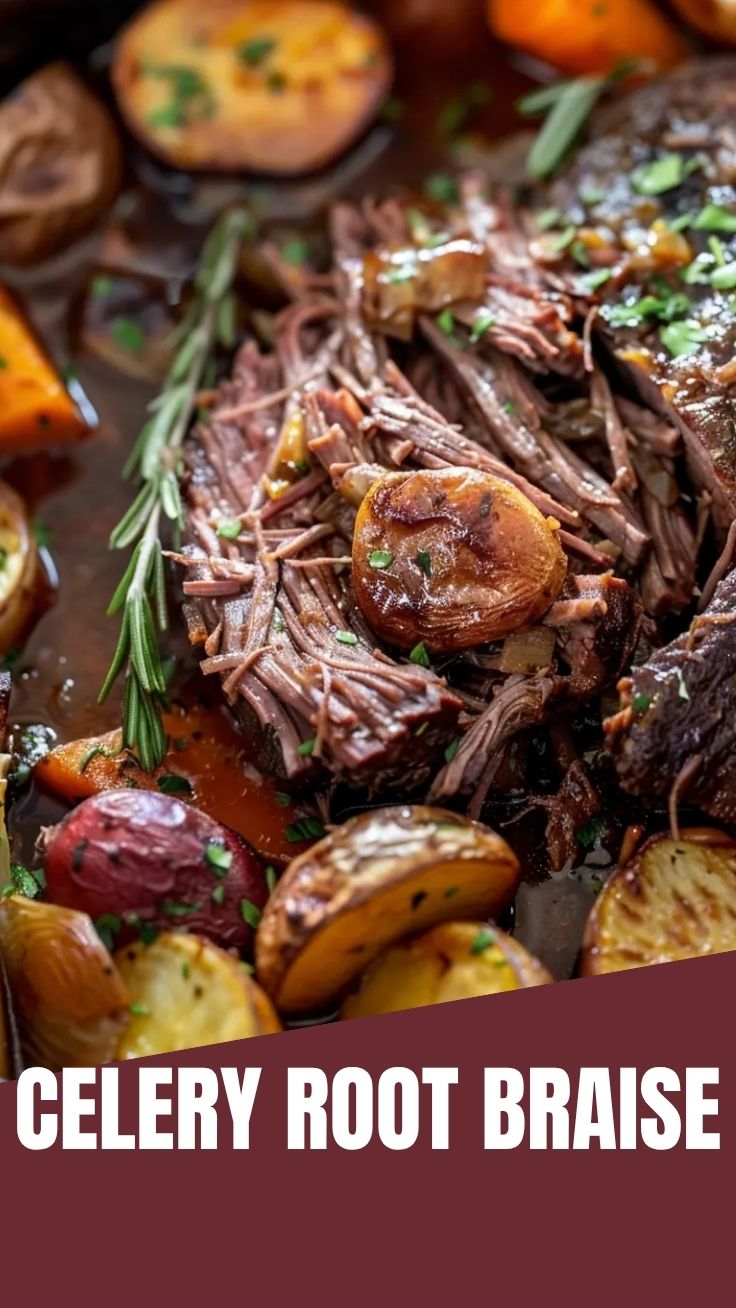
Tired of dry, uninspired dinners? Imagine a tender, flavorful, and melt-in-your-mouth Pot Roast that practically cooks itself. Achieving culinary perfection at home doesn’t have to be daunting. With the right guidance, you can transform a simple cut of meat into a family-favorite meal that tastes like it came from a five-star restaurant. This comprehensive guide will walk you through everything you need to master this classic dish, ensuring a succulent result every time, especially when utilizing the convenience of a Slow Cooker. Let’s make your next meal unforgettable!
Ingredients & Kitchen Tools
Here’s what you’ll need to create your culinary masterpiece:
- 3-4 lbs Chuck Roast: The ideal cut for a tender pot roast, rich in marbling for flavor and moisture.
- 1 large Onion: Roughly chopped, provides a sweet aromatic base. (Substitution: 2-3 shallots for a milder flavor.)
- 3-4 Carrots: Peeled and cut into large chunks, adds sweetness and color.
- 3-4 Celery Stalks: Cut into large pieces, contributes to the savory depth.
- 4-6 cloves Garlic: Minced, for pungent flavor. (Substitution: 1 tsp garlic powder in a pinch.)
- 2 cups Beef Broth: The liquid foundation, essential for tenderness and gravy. (Substitution: Beef stock or even red wine for a richer flavor.)
- 1/2 cup Red Wine (optional): Adds complexity and depth of flavor to the braising liquid. (Substitution: More beef broth if you prefer to avoid alcohol.)
- 2 tbsp Olive Oil: For searing the meat.
- 2 tbsp Tomato Paste: Adds umami and thickens the sauce.
- 1 tbsp Worcestershire Sauce: For a savory kick.
- 1 tsp Dried Thyme: Classic herb pairing for beef. (Substitution: 1 sprig fresh thyme.)
- 1 Bay Leaf: Aromatic, adds subtle bitterness.
- Salt and Black Pepper: To taste, for seasoning.
- 2 tbsp Cornstarch (optional): For thickening the gravy at the end.
Kitchen Tools:
- Large Dutch Oven or Slow Cooker: The primary cooking vessel.
- Large Skillet/Frying Pan: For searing the chuck roast.
- Tongs: For handling hot meat.
- Cutting Board & Chef’s Knife: For preparing vegetables and meat.
- Measuring Cups & Spoons: For accurate ingredient portions.
Prep Time & Cooking Schedule
- Prep Time: 20-25 minutes (includes chopping vegetables and searing meat)
- Cook Time (Dutch Oven): 3-4 hours at 325°F (160°C)
- Cook Time (Slow Cooker): 6-8 hours on low, or 3-4 hours on high.
- Resting Time: 15-20 minutes (crucial for juicy results)
Planning Notes: The beauty of a Slow Cooker pot roast is its set-it-and-forget-it nature, making it perfect for busy weekdays. If using a Dutch oven, plan to be home to monitor its progress, though it’s largely hands-off after the initial setup. Always allow for resting time; it vastly improves the texture and juiciness of the meat.
Step-by-Step Instructions
1. Prepare the Roast: Pat the chuck roast dry with paper towels. Season generously on all sides with salt and black pepper.
2. Sear the Meat: Heat olive oil in a large skillet or directly in your Dutch oven over medium-high heat until shimmering. Sear the roast for 3-4 minutes per side until deeply browned. This step is crucial for developing rich flavor.
3. Sauté Aromatics: Remove the seared roast and set aside. Add chopped onions, carrots, and celery to the same pot. Sauté for 5-7 minutes until softened, scraping up any browned bits from the bottom of the pan. Add minced garlic and tomato paste, cooking for another minute until fragrant.
4. Deglaze: Pour in the red wine (if using) and beef broth, scraping the bottom of the pot to release any stuck-on bits. Stir in Worcestershire sauce, dried thyme, and bay leaf. Bring to a simmer.
5. Braise (Dutch Oven): Return the seared Pot Roast to the pot. Ensure the liquid comes about halfway up the sides of the roast. Cover tightly and transfer to a preheated oven (325°F/160°C). Cook for 3-4 hours, or until the meat is fork-tender.
6. Braise (Slow Cooker): After searing and sautéing, transfer everything to your Slow Cooker. Cook on low for 6-8 hours or on high for 3-4 hours, until the chuck roast is incredibly tender.
7. Rest and Serve: Once cooked, carefully remove the pot roast from the pot and transfer it to a cutting board. Tent loosely with foil and let it rest for 15-20 minutes. This allows the juices to redistribute, ensuring a tender and moist result.
8. Make Gravy (Optional): If desired, skim any excess fat from the cooking liquid. In a small bowl, whisk together 2 tablespoons of cornstarch with 2 tablespoons of cold water to create a slurry. Bring the cooking liquid to a simmer, then gradually whisk in the cornstarch slurry until the gravy reaches your desired thickness.
9. Shred and Enjoy: Shred the rested Pot Roast using two forks, or slice against the grain. Serve with the rich gravy and cooked vegetables.
Nutritional Benefits & Advantages
A perfectly prepared Pot Roast is more than just comfort food; it’s also a nutritious meal. Chuck roast is an excellent source of protein, essential for muscle repair and growth. It also provides significant amounts of iron, crucial for oxygen transport, and B vitamins, vital for energy metabolism. When cooked with abundant vegetables like carrots, celery, and onions, this dish becomes packed with fiber, vitamins, and antioxidants. The long, slow cooking process breaks down tough fibers, making the nutrients more bioavailable and easier to digest.
Tips, Variations & Cooking Advice
- Flavor Boosters: Add a sprig of fresh rosemary, a dash of balsamic vinegar, or a spoon of Dijon mustard to the braising liquid for extra complexity.
- Vegetable Variety: Incorporate parsnips, potatoes (added in the last hour of cooking to prevent mushiness), or mushrooms into your roast.
- Herb Swaps: Experiment with different herb combinations; bay leaf, thyme, and rosemary are classics, but marjoram or sage can also work well.
- Dietary Adaptations: For a gluten-free option, ensure your beef broth is certified GF and use a cornstarch slurry for thickening (cornstarch is naturally GF) or skip thickening altogether. For dairy-free, no modifications are typically needed.
- Alternative Cooking Methods: While we focus on a Dutch oven and Slow Cooker, you can also prepare this in an Instant Pot. Pressure cook on high for 60-70 minutes, with a natural release, for a quicker version.
Common Mistakes to Avoid
- Not Searing the Meat: Skipping the searing step means missing out on the foundational flavor (Maillard reaction) that makes a pot roast truly delicious.
- Not Patting Meat Dry: Excess moisture on the surface prevents a good sear. Always pat the roast thoroughly with paper towels.
- Under-seasoning: A large cut of meat needs generous seasoning. Don’t be shy with salt and pepper.
- Cooking at Too High a Temperature (Dutch Oven): High heat can dry out the meat. Slow and low is the way to go for tender results.
- Not Resting the Meat: Cutting into the roast immediately after cooking allows precious juices to escape, leading to a dry result. Patience is key!
- Too Much Liquid: Only add enough liquid to come about halfway up the sides of the roast. Too much and you’ll boil, rather than braise, the meat.
Storage & Meal Prep Tips
Leftover Pot Roast is a gift! Store it in an airtight container in the refrigerator for up to 3-4 days. It freezes beautifully for up to 3 months; portion it out with some of the gravy for easy reheating. To reheat, gently warm in a saucepan on the stove over low heat, or in the microwave, adding a splash of beef broth or water if it seems dry. Leftovers are fantastic for sandwiches, tacos, or even a quick hash.
Conclusion
Mastering a succulent and flavorful Pot Roast is an incredibly rewarding culinary experience. By following these detailed steps—from the crucial searing to the patience required for a tender braise—you’ll create a dish that’s rich in flavor and wonderfully comforting. Whether you opt for the traditional Dutch oven method or the effortless convenience of a Slow Cooker, this recipe guarantees a show-stopping meal that will impress everyone at your table. Don’t hesitate to give this timeless classic a try and savor the delicious results!
FAQs
Q1: Can I use a different cut of beef?
A1: While chuck roast is highly recommended for its marbling and tenderness when slow-cooked, you can also use beef brisket or a round roast. Adjust cooking times as needed, as leaner cuts may require closer monitoring to prevent drying out.
Q2: How do I prevent my vegetables from becoming mushy?
A2: For firmer vegetables, add them during the last 1-2 hours of cooking in a Dutch oven, or the last 30-60 minutes in a Slow Cooker, especially for softer vegetables like potatoes.
Q3: My gravy isn’t thickening. What should I do?
A3: Ensure your gravy is at a simmering boil when adding the cornstarch slurry. If it’s still too thin, mix another small batch of slurry (1 tsp cornstarch with 1 tsp cold water) and whisk it in gradually until desired thickness is achieved.
Q4: Can I marinate the beef overnight?
A4: Yes, marinating the chuck roast overnight in some of the beef broth, red wine, and herbs can further tenderize the meat and infuse it with more flavor. Just be sure to pat it dry before searing.
Q5: What are some good side dishes for pot roast?
A5: Classic pairings include mashed potatoes, egg noodles, crusty bread to soak up the gravy, roasted root vegetables, or a simple green salad for balance.