Unlock Culinary Perfection: Your Guide to a Succulent Turkey Breast
Ever wondered if you could truly master a juicy, flavorful Turkey Breast right in your own kitchen? The answer is a resounding yes! Forget dry, flavorless turkey; this comprehensive guide is your passport to culinary success, ensuring every bite is a testament to your newfound cooking prowess. Preparing a magnificent Turkey Breast at home isn’t just about saving money; it’s about customizing flavors, controlling ingredients, and creating a memorable meal that embodies comfort and quality. With our expert tips and detailed instructions, you’ll soon be whipping up incredible Turkey Breast Recipes that will impress even the toughest critics.
Ingredients & Kitchen Tools
To embark on your journey to a perfectly roasted Turkey Breast, gather these essentials:
- 2 tbsp Olive Oil: For searing and promoting a golden-brown skin.
- 1 tbsp Fresh Rosemary (chopped): Adds an aromatic, earthy depth.
- 1 tbsp Fresh Thyme (chopped): Complements the rosemary with its delicate, savory notes.
- 1 tsp Garlic Powder: Provides a subtle, allium flavor without the risk of burning fresh garlic.
- 1 tsp Paprika: Enhances color and offers a mild, sweet pepper flavor.
- 1/2 tsp Black Pepper: A foundational spice for balanced flavor.
- 1 tsp Salt (or to taste): Essential for seasoning and bringing out the natural flavors of the turkey.
- 1 cup Chicken or Vegetable Broth: For basting and adding moisture during roasting.
- Optional: 1 Lemon (sliced): For a bright, citrusy aroma and flavor infusion.
- Roasting Pan with Rack: Elevates the turkey for even roasting and crispier skin.
- Meat Thermometer: Crucial for ensuring the turkey is cooked to a safe internal temperature.
- Basting Brush: For evenly distributing broth over the turkey.
- Sharp Carving Knife: For clean, professional slices.
- Cutting Board with a well: To catch any delicious juices.
Prep Time & Cooking Schedule
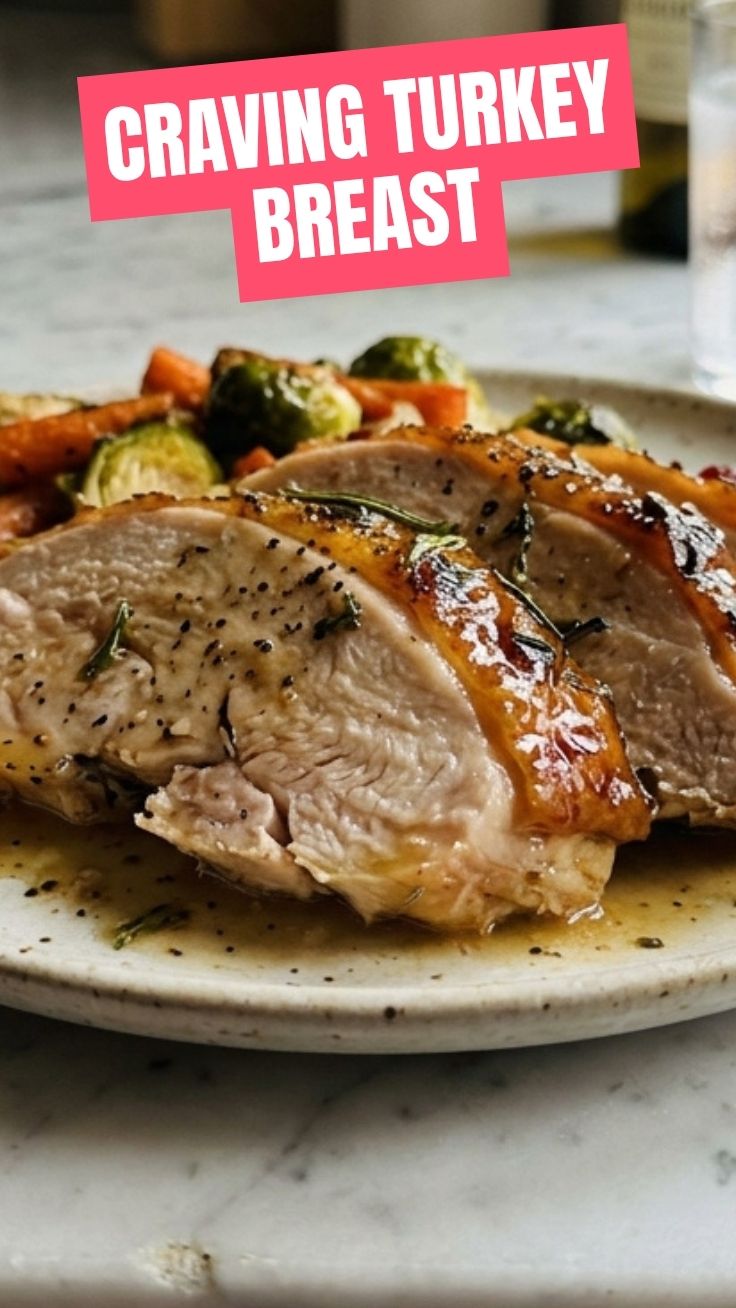
Planning is key to a stress-free cooking experience!
- Prep Time: 20 minutes (includes seasoning and bringing the turkey to room temperature).
- Cooking Time: 1.5 – 2 hours (for a 6-8 lb boneless breast), or until internal temperature reaches 165°F (74°C). This can vary based on individual oven calibration and turkey size.
- Resting Time: 15-20 minutes. This crucial step allows the juices to redistribute, resulting in a more tender and moist Turkey Breast. Do not skip!
Step-by-Step Instructions
Achieving the perfect Turkey Breast is a series of simple, yet deliberate steps. Follow these instructions closely for a truly impressive result, which is a fantastic foundation for many Turkey Breast Recipes.
1. Preheat & Prep: Preheat your oven to 375°F (190°C). Remove the Turkey Breast from its packaging, pat it dry thoroughly with paper towels. This helps ensure a crispy skin. Let it sit at room temperature for about 30 minutes before roasting for more even cooking.
2. Seasoning: In a small bowl, combine olive oil, chopped rosemary, thyme, garlic powder, paprika, salt, and black pepper. Rub this mixture evenly over the entire surface of the Turkey Breast. If using, tuck lemon slices underneath the skin or around the breast in the roasting pan.
3. Roasting: Place the seasoned Turkey Breast on the rack in your roasting pan. Pour the chicken or vegetable broth into the bottom of the pan – this will add moisture and flavor to the drippings.
4. Initial Sear: Roast for 30 minutes at 375°F (190°C) to get a nice initial sear and browning.
5. Lower Temperature & Baste: Reduce the oven temperature to 325°F (160°C). Every 30 minutes, baste the turkey with the pan juices. This keeps it moist and promotes even cooking.
6. Check Doneness: Continue roasting until a meat thermometer inserted into the thickest part of the breast (avoiding bone) reads 160°F (71°C). The temperature will rise by a few degrees as it rests.
7. Rest & Serve: Once the desired internal temperature is reached, remove the Turkey Breast from the oven, tent it loosely with foil, and let it rest for 15-20 minutes. This is critical for juicy results. Then, slice against the grain and serve!
Nutritional Benefits & Advantages
A perfectly cooked Turkey Breast is more than just delicious; it’s a powerhouse of nutrition. It’s an excellent source of lean protein, essential for muscle repair and growth, and keeping you feeling full longer. Turkey Breast is also rich in B vitamins, particularly Niacin and B6, which are vital for energy metabolism and nervous system health. Furthermore, it provides selenium, an important antioxidant, and phosphorus, crucial for bone health. Compared to darker meats, Turkey Breast is lower in fat and calories, making it a fantastic choice for those mindful of their dietary intake without sacrificing flavor or satisfaction.
Tips, Variations & Cooking Advice
- Brining for Extra Juiciness: For an exceptionally moist Turkey Breast, consider a simple brine (salt, sugar, water, herbs) overnight.
- Herb Butter Rub: Instead of olive oil, mix softened butter with herbs and rub it under and over the skin for richer flavor and crispier skin.
- Roast with Vegetables: Add chopped root vegetables like carrots, potatoes, and onions to the roasting pan during the last hour of cooking for an easy side dish infused with turkey drippings.
- Spicy Kick: Add a pinch of cayenne pepper or red pepper flakes to your seasoning rub for a touch of heat.
- Gluten-Free & Dairy-Free: This recipe is naturally gluten-free and can be made dairy-free by ensuring your broth is dairy-free and using olive oil as instructed.
Common Mistakes to Avoid
- Overcooking: The most common culprit for dry Turkey Breast. Always use a meat thermometer and pull the turkey when it reaches 160°F (71°C).
- Not Resting the Turkey: Skipping the resting period allows juices to escape when you carve, leading to a less succulent result. Patience is a virtue here!
- Forgetting to Pat Dry: Excess moisture on the skin prevents it from becoming wonderfully crispy.
- Under-Seasoning: Don’t be shy with your seasonings! A well-seasoned Turkey Breast makes all the difference.
Storage & Meal Prep Tips
Leftover Turkey Breast is incredibly versatile!
- Refrigeration: Store sliced Turkey Breast in an airtight container in the refrigerator for up to 3-4 days.
- Freezing: For longer storage, freeze sliced or chopped turkey in freezer-safe bags or containers for up to 2-3 months. Thaw overnight in the refrigerator before reheating.
- Reheating: Gently reheat in the microwave, oven, or a skillet with a splash of broth to retain moisture. Avoid high heat to prevent drying it out.
- Meal Prep Ideas: Use cold slices for sandwiches, chop and add to salads, stir-fries, quesadillas, or even a comforting turkey noodle soup.
Conclusion
Mastering a succulent Turkey Breast at home is an achievable culinary triumph, and with this detailed guide, you’re well on your way! From the initial seasoning to the crucial resting period, every step contributes to a dish that’s both impressive and incredibly satisfying. We’ve shown you how to elevate your skills and produce incredible Turkey Breast Recipes with confidence. Don’t hesitate – give this recipe a try and transform your next meal into a memorable feast. Share your culinary creations with us in the comments below, and let us know your favorite ways to enjoy this versatile protein!
FAQs
Q1: How do I prevent my Turkey Breast from drying out?
A1: The key is not to overcook! Use a meat thermometer to pull the turkey when it reaches 160°F (71°C), and always allow it to rest for 15-20 minutes after roasting. Basting regularly also helps.
Q2: Can I use fresh garlic instead of garlic powder?
A2: Yes, absolutely! Use 2-3 cloves of minced fresh garlic. Be mindful that fresh garlic can burn more easily, so you might want to rub it under the skin or mix it well with the olive oil to protect it.
Q3: What side dishes pair well with a roasted Turkey Breast?
A3: Classic pairings include mashed potatoes, roasted vegetables (like asparagus, green beans, or Brussels sprouts), cranberry sauce, and a simple green salad.
Q4: Can I add a glaze to this Turkey Breast recipe?
A4: Yes! For a delicious variation as highlighted in many Turkey Breast Recipes, apply a glaze (like cranberry-orange or maple-mustard) during the last 20-30 minutes of cooking. This allows the glaze to caramelize without burning.
Q5: My Turkey Breast skin isn’t crispy. What went wrong?
A5: Ensure the turkey is thoroughly patted dry before seasoning. Roasting at a slightly higher temperature initially (as in this recipe) helps. Avoid covering the turkey too early in the roasting process, and skip basting in the last 20-30 minutes to allow the skin to crisp up.