Unlocking Flavor: Your Guide to the Perfect Homemade Tuna Salad
Ever wondered if you could create a Tuna Salad that transcends the ordinary? A dish so flavorful, so perfectly textured, that it becomes a staple in your culinary repertoire? The answer is a resounding “yes!” Preparing a homemade tuna salad recipe at home is not just about saving money; it’s about controlling ingredients, customizing flavors, and crafting a truly satisfying meal that store-bought versions simply can’t match. Forget bland, watery imitations – we’re diving deep into creating a vibrant, delicious, and incredibly easy Tuna Salad that will impress even the most discerning palates. This comprehensive guide will equip you with all the knowledge to master this classic, ensuring every bite is a delightful experience.
Ingredients & Kitchen Tools
Crafting the perfect Tuna Salad requires a few essential ingredients and basic kitchen tools. Here’s what you’ll need:
- Canned Tuna (2 cans, 5 oz each, in water or oil, drained): The star of the show! Choose high-quality tuna for the best flavor and texture. Water-packed is leaner, while oil-packed offers richer taste.
- Mayonnaise (½ cup): The binding agent and creamy base. Use your favorite brand or homemade mayonnaise for superior taste.
- Celery (2 stalks, finely diced): Adds a crucial crunch and fresh, slightly peppery flavor.
- Red Onion (¼ cup, finely minced): Provides a sharp, zesty kick. Mince finely to avoid overpowering the other flavors.
- Fresh Dill (2 tablespoons, chopped): Essential for that classic, bright, and slightly anisé-like tuna salad flavor.
- Lemon Juice (1 tablespoon, fresh squeezed): Brightens the flavors and adds a touch of acidity to balance the richness.
- Dijon Mustard (1 teaspoon): A subtle tang that elevates the overall profile.
- Salt (½ teaspoon, or to taste): Enhances all the other flavors.
- Black Pepper (¼ teaspoon, or to taste): Adds a gentle warmth and spice.
- Mixing Bowl (medium-sized): For combining all the ingredients.
- Fork: For flaking the tuna.
- Cutting Board & Knife: For prepping vegetables.
- Measuring Cups & Spoons: For accurate ingredient proportions.
Optional Substitutions:
- Greek Yogurt (¼ cup, mixed with ¼ cup mayonnaise): For a lighter, tangier alternative.
- Hard-boiled Eggs (2, chopped): A classic addition for extra protein and creaminess.
- Pickle Relish (2 tablespoons): For a sweet and sour counterpoint.
- Capers (1 tablespoon): Adds a briny, salty burst.
- Bell Pepper (¼ cup, finely diced): For a touch of sweetness and color.
Prep Time & Cooking Schedule
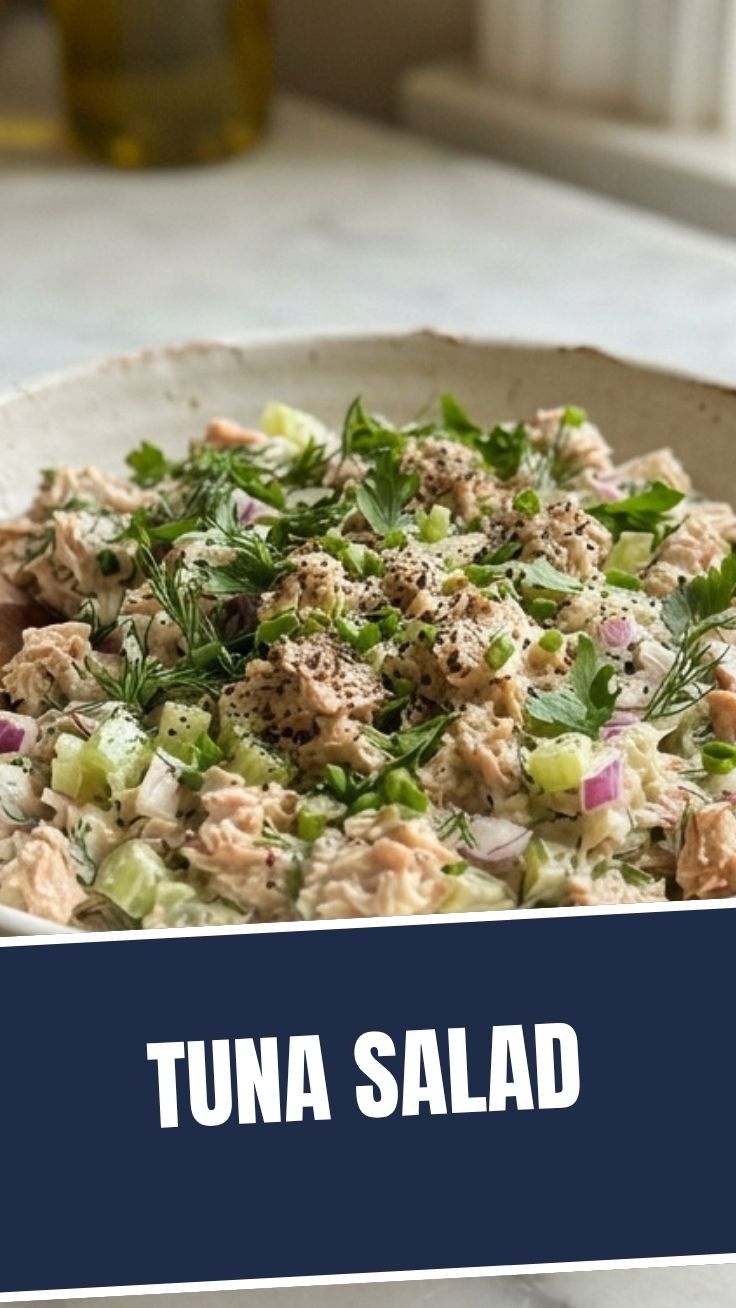
This Tuna Salad is a quick and satisfying option, perfect for a speedy lunch or dinner.
- Prep Time: 10 minutes
- Resting Time: 15 minutes (optional, but recommended for flavors to meld)
- Total Time: 25 minutes
The resting time allows the flavors to truly marry, resulting in a more harmonious and delicious final product. You can prepare this dish in advance and enjoy it throughout the week, making it an excellent meal prep candidate.
Step-by-Step Instructions
Follow these simple steps to create a truly exceptional Tuna Salad:
1. Drain the Tuna Thoroughly: Open your cans of tuna and drain them well. Whether you’re using water-packed or oil-packed, excess liquid will make your salad watery. Use a fork to flake the tuna into a medium-sized mixing bowl. Break it down to your desired consistency – some prefer chunkier, while others like it finer.
2. Chop the Vegetables: Finely dice the celery and mince the red onion. Remember, consistency in chopping ensures even distribution of flavor and texture. Add these to the bowl with the flaked tuna.
3. Add the Wet Ingredients & Seasonings: To the bowl, add the mayonnaise, fresh lemon juice, Dijon mustard, chopped fresh dill, salt, and black pepper.
4. Combine Gently: Using a spoon or spatula, gently fold all the ingredients together until they are well combined. Be careful not to overmix, as this can break down the tuna too much and make the texture mushy. Aim for a cohesive, creamy mixture where all ingredients are evenly distributed. Taste and adjust seasonings as needed – you might want a little more salt, pepper, or lemon juice depending on your preference.
5. Rest and Serve: For optimal flavor, cover the bowl and refrigerate for at least 15 minutes. This allows the flavors to meld beautifully. Once rested, your delightful tuna salad recipe is ready to serve! Enjoy it on bread, crackers, lettuce wraps, or as a side dish.
Nutritional Benefits & Advantages
Beyond its delicious taste, this Tuna Salad offers a wealth of nutritional benefits. Tuna is an excellent source of lean protein, essential for muscle repair and satiety. It’s also rich in Omega-3 fatty acids, which are beneficial for heart health and brain function. The fresh vegetables like celery and red onion provide dietary fiber, vitamins, and antioxidants. Lemon juice adds vitamin C, while healthy fats from mayonnaise (especially if using an olive oil-based one) contribute to nutrient absorption and provide sustained energy. This dish is naturally gluten-free (if served without bread) and can be easily adapted to be dairy-free by choosing appropriate mayonnaise.
Tips, Variations & Cooking Advice
- Flavor Boosters: For an extra layer of flavor, consider adding a pinch of smoked paprika, a dash of hot sauce, or a finely chopped gherkin.
- Textural Play: If you enjoy more crunch, add toasted nuts like pecans or walnuts. For a creamier texture, stir in a spoonful of mashed avocado.
- Dietary Adaptations:
* Low-Carb/Keto: Serve in lettuce cups, bell pepper halves, or with cucumber slices.
* Vegan: While not a “tuna” salad, a chickpea salad mashed with similar seasonings offers a delicious plant-based alternative.
* Reduced Fat: Swap out some mayonnaise for Greek yogurt or use a light mayonnaise.
- Serving Suggestions: Beyond sandwiches, try serving your tuna salad recipe in hollowed-out tomatoes, on a bed of mixed greens, or as a quick wrap filling.
Common Mistakes to Avoid
1. Not Draining Tuna Properly: This is the most common culprit for watery, flavorless tuna salad. Always press out as much liquid as possible.
2. Over-Mixing: Aggressive mixing can break down the tuna flakes too much, leading to a mushy texture. Fold gently.
3. Skipping Fresh Herbs: Dried herbs lack the vibrancy and fresh aroma that fresh dill or parsley brings to tuna salad. Don’t skip them!
4. Under-Seasoning: Don’t be afraid to taste and adjust! A little extra salt, pepper, or lemon can make all the difference.
5. Using Warm Tuna: Always start with chilled tuna for the best texture and safety.
Storage & Meal Prep Tips
Your homemade Tuna Salad is fantastic for meal prepping! Store it in an airtight container in the refrigerator for up to 3-4 days. It’s not recommended to freeze tuna salad made with mayonnaise, as the texture can become watery and separated upon thawing. For the best flavor and texture, allow it to come to room temperature for about 10-15 minutes before serving if it’s been in the fridge.
Conclusion
Mastering the art of a perfect homemade Tuna Salad is a truly rewarding experience, transforming a simple pantry staple into a culinary delight. By following this detailed guide, you’re now equipped to create a flavorful, satisfying, and nutritious dish every time. Remember, the beauty of a classic tuna salad recipe lies in its simplicity and versatility. We encourage you to try this recipe, experiment with your favorite variations, and share your delicious creations!
FAQs
Q1: Can I make this tuna salad without mayonnaise?
A1: Yes, you can substitute mayonnaise entirely or partially with Greek yogurt, mashed avocado, or even a vinaigrette for a lighter, tangier version.
Q2: What kind of tuna is best for tuna salad?
A2: Albacore tuna in water or oil is generally preferred for its firm texture and mild flavor. Light tuna (skipjack or yellowfin) is also a good, more affordable option, but can have a stronger flavor.
Q3: How can I prevent my tuna salad from becoming watery?
A3: The most crucial step is to thoroughly drain your canned tuna. You can even press it lightly with a paper towel. Also, avoid adding too much extra liquid from vegetables.
Q4: Can I add other vegetables to this recipe?
A4: Absolutely! Diced bell peppers, shredded carrots, finely chopped pickles, or even corn kernels are great additions that add flavor, texture, and nutrition.
Q5: How long does homemade tuna salad last in the fridge?
A5: When stored in an airtight container in the refrigerator, homemade tuna salad is best consumed within 3 to 4 days for optimal freshness and safety.