Unveiling the Ultimate Comfort Food: A Homestyle Tuna Noodle Casserole Experience
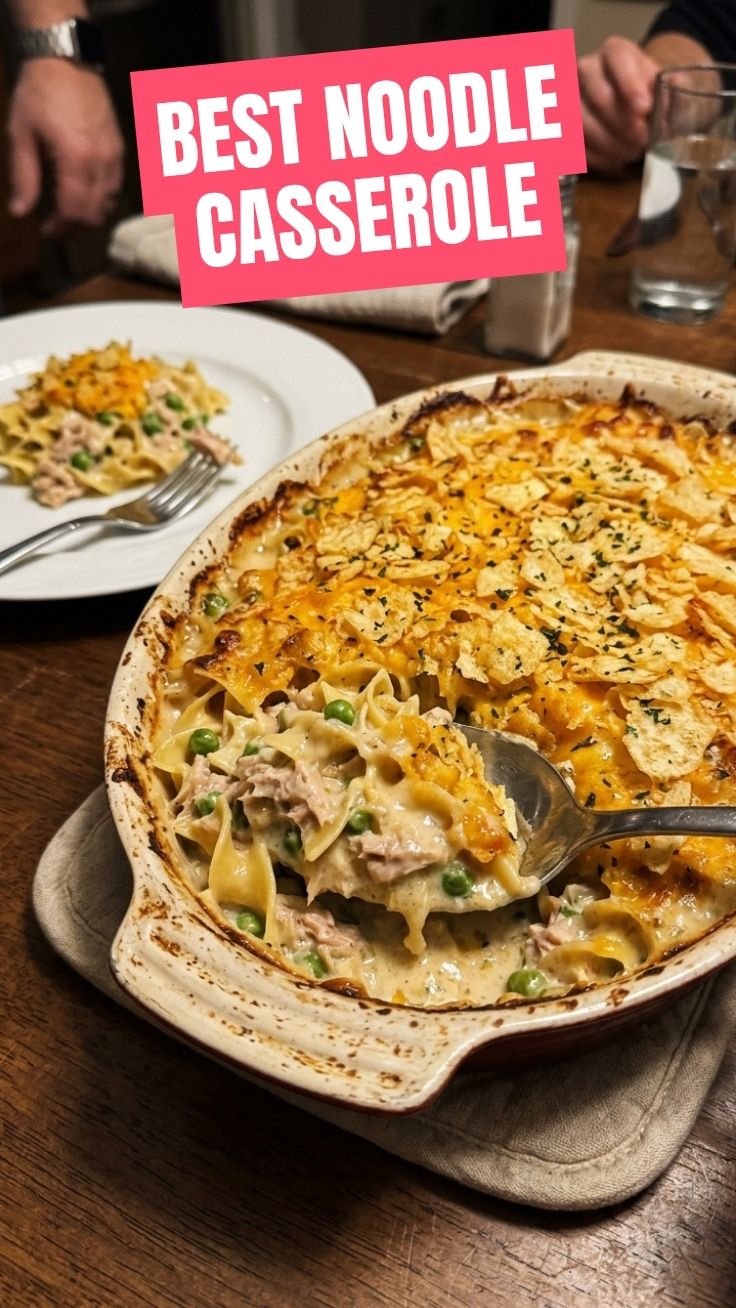
Ever wondered what pure, unadulterated comfort tastes like, especially on a busy weeknight? Look no further than the timeless classic: Tuna Noodle Casserole. This humble dish, often relegated to forgotten cookbooks, is making a glorious comeback, and for good reason. Preparing it at home isn’t just about saving money; it’s about crafting a personalized culinary experience, controlling ingredients, and infusing every bite with love and warmth. Forget those bland, store-bought versions; we’re about to dive into a recipe that will elevate your understanding of truly satisfying casserole recipes.
Ingredients & Kitchen Tools
Here’s what you’ll need to create this comforting masterpiece:
- 12 oz wide egg noodles: The classic choice for their comforting texture and ability to hold saucy goodness.
- 2 cans (5 oz each) tuna in water, drained: Opt for high-quality tuna for the best flavor.
- 1 can (10.75 oz) condensed cream of mushroom soup: The creamy backbone of our casserole.
- 1/2 cup milk: To thin the soup to the perfect consistency. Whole milk for richer flavor, or 2% for a lighter touch.
- 1 cup frozen peas, thawed: Adds a pop of color and natural sweetness.
- 1/2 cup shredded cheddar cheese: For that irresistible cheesy top. You can also use a blend of cheddar and Monterey Jack.
- 1/4 cup crushed butter crackers (e.g., Ritz): For a golden, crispy topping. Panko breadcrumbs are an excellent alternative.
- 2 tbsp butter, melted: To bind the cracker topping and enhance browning.
- Salt and freshly ground black pepper to taste: Essential for seasoning every layer.
- Optional: 1/4 cup finely chopped onion or celery: For added aromatic depth and crunch.
Kitchen Tools:
- Large pot: For boiling the egg noodles.
- 9×13 inch baking dish: The ideal size for our family-friendly casserole.
- Large mixing bowl: For combining the creamy tuna mixture.
- Colander: For draining the noodles and tuna.
- Measuring cups and spoons: For precise ingredient amounts.
Prep Time & Cooking Schedule
- Prep Time: 15 minutes
- Cook Time: 25-30 minutes
- Resting Time: 5-10 minutes (allows the casserole to set and makes for easier serving)
This recipe is designed for maximum efficiency. While your noodles are boiling, you can prepare the sauce and topping, making it a perfect weeknight meal. The short baking time means you’ll have a delicious dinner on the table in under an hour.
Step-by-Step Instructions
1. Preheat & Boil: Preheat your oven to 375°F (190°C). Bring a large pot of salted water to a rolling boil. Add the wide egg noodles and cook according to package directions until al dente. Drain well and set aside.
2. Make the Creamy Base: In a large mixing bowl, combine the drained tuna, condensed cream of mushroom soup, and milk. Stir until well combined and smooth. If using, add the chopped onion or celery at this stage. Season with salt and freshly ground black pepper to your preference, ensuring the flavor profile complements the Tuna Noodle Casserole. Remember to taste and adjust seasonings as needed, considering the inherent saltiness of the soup and tuna.
3. Combine & Transfer: Gently fold the cooked egg noodles and thawed frozen peas into the creamy tuna mixture until everything is evenly coated. Pour the mixture into your prepared 9×13 inch baking dish, spreading it out evenly.
4. Add Cheese & Topping: Sprinkle the shredded cheddar cheese over the top of the casserole. In a small bowl, combine the crushed butter crackers and melted butter. Sprinkle this buttery cracker mixture evenly over the cheese layer. This thoughtful detail transforms ordinary casserole recipes into something truly special.
5. Bake to Perfection: Bake for 25-30 minutes, or until the casserole is bubbling around the edges and the cracker topping is golden brown and crispy. Keep an eye on the topping to ensure no burning.
6. Rest & Serve: Remove from the oven and let the casserole rest for 5-10 minutes before serving. This allows the internal temperature to equalize and prevents it from falling apart when scooped.
Nutritional Benefits & Advantages
Tuna Noodle Casserole offers a surprisingly balanced meal. Tuna is an excellent source of lean protein and omega-3 fatty acids, which are crucial for heart and brain health. Egg noodles provide complex carbohydrates for sustained energy, while peas contribute essential vitamins, minerals, and fiber. The dairy in the soup and cheese adds calcium for strong bones. This dish is a convenient way to get a complete meal with essential nutrients.
Tips Variations & Cooking Advice
- Spice it Up: Add a pinch of cayenne pepper or a dash of hot sauce to the mixture for a subtle kick.
- Vary the Veggies: Sautéed mushrooms, corn, or diced red bell peppers can be great additions.
- Cheese Alternatives: Experiment with Gruyère, Swiss, or a sharp white cheddar for different flavor profiles.
- Dairy-Free: Use a dairy-free cream of mushroom soup alternative, plant-based milk, and dairy-free cheese for a delicious dairy-free version.
- Gluten-Free: Swap regular egg noodles for their gluten-free counterparts and ensure your soup is certified gluten-free.
- Topping Twists: Instead of crackers, try crushed cornflakes, stale breadcrumbs, or even crispy fried onions for a different texture.
Common Mistakes to Avoid
- Overcooking Noodles: Mushy noodles can ruin the texture. Cook them al dente, meaning they still have a slight bite.
- Dry Casserole: Ensure there’s enough liquid. If the sauce seems too thick, add a splash more milk.
- Uneven Baking: Make sure your oven is properly preheated and you’re using the appropriate dish size for even cooking.
- Skipping the Rest Time: This is crucial for the casserole to set properly, preventing a watery, crumbly mess.
- Undersalting: Taste your sauce before adding the noodles and adjust seasoning as needed, as tuna and soup can vary in sodium content.
Storage & Meal Prep Tips
Leftovers of this Tuna Noodle Casserole are fantastic! Store cooled leftovers in an airtight container in the refrigerator for up to 3-4 days.
- Reheating: For best results, reheat individual portions in the microwave until heated through, or cover with foil and warm in the oven at 300°F (150°C) until bubbly.
- Freezing: While generally safe to freeze, the texture of the noodles and sauce can sometimes change upon thawing. If freezing, opt for a tightly sealed freezer-safe container for up to 2-3 months. Thaw overnight in the refrigerator before reheating.
Conclusion
There you have it – a truly magnificent Tuna Noodle Casserole that redefines comfort food. This recipe is more than just a meal; it’s a nostalgic journey to simpler times, elevated with thoughtful techniques and customizable options. Don’t let its humble origins fool you; this dish is packed with flavor, nutrition, and the warmth of a home-cooked meal. We encourage you to try this recipe and discover the magic of well-crafted casserole recipes. Share your creations, experiment with variations, and let us know your favorite ways to enjoy this timeless classic!
FAQs
Q1: Can I use fresh tuna instead of canned?
A1: Absolutely! Flake cooked fresh tuna for a gourmet touch, but be mindful of adding extra seasoning as fresh tuna is less salty than canned.
Q2: What if I don’t have cream of mushroom soup?
A2: You can make a homemade cream sauce! Melt 2 tbsp butter, whisk in 2 tbsp flour, then slowly whisk in 1.5 cups milk until thickened. Season with salt, pepper, and a pinch of garlic powder.
Q3: How do I prevent the topping from getting soggy?
A3: Ensure the butter crackers are thoroughly mixed with melted butter. Also, don’t cover the casserole during the last 10-15 minutes of baking, allowing the topping to crisp up.
Q4: Can I add cheese to the mixture itself, not just on top?
A4: Yes, adding about half a cup of shredded cheese directly into the noodle-tuna mixture will make the interior even creamier and cheesier.
Q5: My casserole is too dry, what went wrong?
A5: This usually happens if the noodles were overcooked and absorbed too much liquid, or if there wasn’t enough milk added to the soup. Next time, add a touch more milk to the sauce mixture before baking.